Introduction
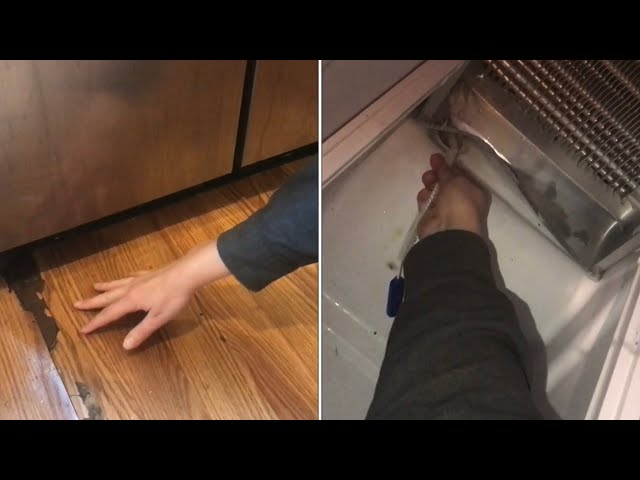
Discovering water leaking from your Frigidaire refrigerator can be alarming. Not only can it damage your flooring, but it can also indicate a more significant problem with your appliance. This issue is commonly seen when the refrigerator is working harder, such as during hot weather, or after a recent grocery run. Addressing the leak promptly is crucial to prevent mold growth, floor damage, and potential electrical hazards. This guide provides a step-by-step approach to help you identify the source of the leak and implement effective solutions.
Common Causes of frigidaire refrigerator leaking water
Here are some of the most frequent reasons why your Frigidaire refrigerator might be leaking water:
- Clogged Defrost Drain: Ice buildup can block the drain, causing water to overflow.
- Frozen Water Line: If your refrigerator has an ice maker or water dispenser, the water line can freeze, leading to leaks as it thaws.
- Leaking Water Filter Housing: A cracked or improperly installed water filter housing can drip.
- Damaged Water Filter: An old or damaged water filter can leak.
- Loose Water Line Connections: Connections to the water supply or ice maker can become loose over time.
- Cracked Drain Pan: The drain pan at the bottom of the refrigerator can crack and leak.
- Faulty Door Seals: Damaged or dirty door seals can allow condensation to form and drip.
- High Humidity: In humid environments, condensation can increase, leading to more water accumulation.
- Overfilled Ice Maker: Sometimes, the ice maker can overfill, causing water to spill.
Symptoms Checklist
Use this checklist to help pinpoint the source of the leak:
- Water pooling under the refrigerator.
- Water inside the refrigerator compartment.
- Water near the ice maker or water dispenser.
- Ice buildup in the freezer or on the back wall of the refrigerator.
- Dripping sounds coming from inside the refrigerator.
- Mold or mildew smell near the refrigerator.
How to Fix frigidaire refrigerator leaking water Step-by-Step Guide
Follow these steps to troubleshoot and resolve the leak:
- Unplug the Refrigerator: For safety, disconnect the refrigerator from the power outlet before starting.
- Locate the Defrost Drain: This is usually located on the back wall inside the freezer compartment, near the bottom.
- Clear the Defrost Drain: Use a turkey baster with warm water, a pipe cleaner, or a straightened coat hanger to gently clear any blockage in the drain. Pour warm water down the drain to ensure it’s clear.
- Check the Water Line: Inspect the water line (if applicable) for kinks, cracks, or leaks. Pay close attention to the connections at the back of the refrigerator and at the water supply valve.
- Inspect the Water Filter: If your refrigerator has a water filter, check its housing for cracks and ensure it’s properly installed. Replace the filter if it’s old or damaged.
- Examine the Door Seals: Clean the door seals with warm, soapy water. Check for any cracks or tears. A simple test is to close a dollar bill in the door; if you can easily pull it out, the seal is likely compromised.
- Locate the Drain Pan: This is usually located at the bottom of the refrigerator, either behind a kickplate or underneath the unit.
- Inspect the Drain Pan: Remove the drain pan and check it for cracks or damage. Clean the pan thoroughly.
- Level the Refrigerator: Ensure the refrigerator is level. Use a level on top of the refrigerator and adjust the leveling feet at the bottom until it’s level. An unlevel refrigerator can cause water to not drain properly.
- Check for Overfilling: Observe the ice maker operation to see if it’s overfilling. Some models have an adjustable fill setting.
- Clean the Condenser Coils: Dust buildup on the condenser coils can cause the refrigerator to work harder, leading to increased condensation. Locate the coils (usually on the back or bottom of the refrigerator) and vacuum them.
- Monitor the Refrigerator: After completing these steps, plug the refrigerator back in and monitor it for further leaks.
Fix the Issue Without Buying Parts
Sometimes, simple maintenance can resolve the leak without needing new parts:
- Refrigerator Reset: Unplugging the refrigerator for 30 minutes can sometimes reset the system and resolve minor issues.
- Regular Cleaning: Keeping the interior clean, including the door seals and drain pan, can prevent buildup and leaks.
- Defrost Regularly: If your refrigerator doesn’t have automatic defrost, manually defrost it to prevent ice buildup.
- Proper Loading: Avoid overcrowding the refrigerator, as this can block airflow and cause condensation.
When Replacement Might Be Necessary
In some cases, the leak might be due to a severely damaged component. Here’s when replacement might be needed:
- Severely Cracked Drain Pan: If the drain pan is badly cracked and beyond repair, replacement is necessary. (Estimated cost: $20-$50 USD)
- Major Water Line Damage: If the water line has multiple cracks or is irreparably damaged, it should be replaced. (Estimated cost: $15-$40 USD)
- Extensive Seal Damage: If the door seals are significantly torn or deteriorated, they may need replacement for energy efficiency and leak prevention. (Estimated cost: $50-$150 USD per seal)
Safety Warning
Take these precautions to ensure your safety:
- Always unplug the refrigerator before performing any repairs.
- Be careful when handling electrical components.
- Wipe up any spilled water immediately to prevent slips and falls.
- If you’re uncomfortable performing any of these steps, consult a qualified appliance repair technician.
Tools You May Need
Here’s a list of basic tools that might be helpful:
- Screwdrivers (Phillips and flathead)
- Adjustable wrench
- Pipe cleaner or straightened coat hanger
- Turkey baster
- Warm water
- Vacuum cleaner
- Level
- Clean cloths
FAQ
Here are some frequently asked questions about refrigerator leaks:
-
Q: Why is my refrigerator leaking even after I cleared the drain?
A: There may be a secondary blockage further down the drain line, or the water line could be leaking. -
Q: How often should I clean the refrigerator coils?
A: It’s recommended to clean the coils every 6 months to a year. -
Q: Can a leaking refrigerator cause my electric bill to go up?
A: Yes, if the refrigerator is working harder to compensate for the leak, it can consume more energy. -
Q: What if I can’t find the source of the leak?
A: If you’ve tried all the troubleshooting steps and can’t identify the source, it’s best to consult a professional appliance repair technician.
Conclusion
Troubleshooting a Frigidaire refrigerator leak can seem daunting, but by following these steps, you can often identify and resolve the issue yourself. Remember to prioritize safety and be patient. If you’ve exhausted all options and the leak persists, don’t hesitate to contact a qualified technician. Fixing the leak promptly will protect your home and ensure your refrigerator continues to function efficiently.
Youtube Video:
Looking for more useful options?
Check out recommended resources that others find helpful.