Introduction
Discovering water leaking from your Frigidaire Electrolux refrigerator can be alarming. A refrigerator leaking water isn’t just messy; it can lead to water damage to your floors, encourage mold growth, and even increase your energy bill as your refrigerator works harder to maintain its temperature. This guide provides easy-to-follow steps to identify the source of the leak and troubleshoot common problems. Addressing the leak promptly can save you money and prevent further complications.
Common Causes of Frigidaire Electrolux Refrigerator Leaking Water
Several factors can contribute to a Frigidaire Electrolux refrigerator leaking water. Here are some common causes:
- Clogged Defrost Drain: This is the most frequent culprit. Ice buildup can block the drain, causing water to overflow.
- Frozen Water Line: A frozen or partially frozen water line can prevent water from flowing properly, leading to leaks.
- Faulty Water Inlet Valve: A malfunctioning water inlet valve can cause water to continuously flow, even when it shouldn’t.
- Cracked or Damaged Water Filter Housing: Cracks or loose connections in the filter housing can result in leaks.
- Loose or Damaged Water Line Connections: If the connections to the water lines are loose or damaged, water can escape.
- Damaged Drain Pan: The drain pan catches water from the defrost cycle. If it’s cracked or broken, water will leak.
- Overfilled Ice Maker: A malfunctioning ice maker can overfill, leading to water spilling and eventually leaking.
- Door Seal Issues: A worn or damaged door seal can let warm air in, causing condensation and excess water.
Symptoms Checklist
These symptoms can help you pinpoint the source of the leak:
- Water pooling underneath the refrigerator.
- Water leaking from the freezer compartment.
- Ice buildup in the freezer.
- Dripping sound coming from the refrigerator.
- Water stains on the floor around the refrigerator.
- Unusual amount of condensation inside the refrigerator.
How to Fix Frigidaire Electrolux Refrigerator Leaking Water Step-by-Step Guide
Follow these steps to troubleshoot and fix the water leak:
- Unplug the Refrigerator: Safety first! Always unplug the refrigerator from the power outlet before starting any repairs.
- Locate the Source of the Leak: Carefully examine the area around the refrigerator for signs of water. Look behind it, underneath it, and inside both the refrigerator and freezer compartments.
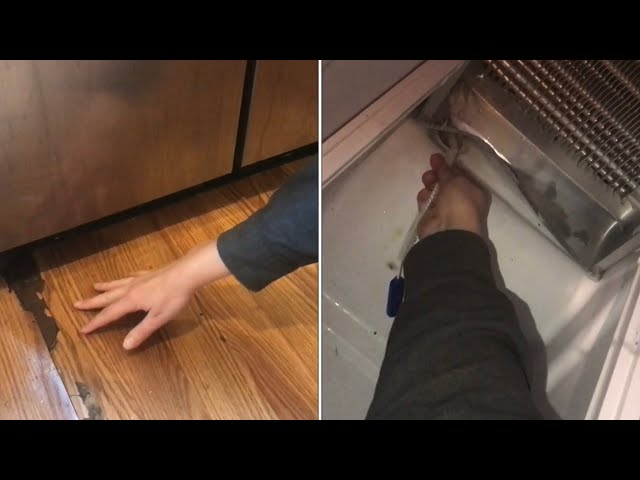
- Check the Defrost Drain: This is usually located at the back of the freezer compartment, near the bottom. Look for a small hole or drain.
- Clear the Defrost Drain: Use a turkey baster filled with warm water to flush the drain. You can also use a flexible object like a pipe cleaner or a thin, flexible wire to dislodge any blockage. Be gentle!
- Inspect the Water Line: Check the water line that connects to the refrigerator for any cracks, kinks, or loose connections. The water line is usually located at the back of the refrigerator.
- Tighten Water Line Connections: If you find any loose connections, carefully tighten them with a wrench. Be careful not to overtighten.
- Check the Water Filter and Housing: If your refrigerator has a water filter, remove it and inspect the housing for cracks or damage. Make sure the filter is properly installed.
- Examine the Drain Pan: Locate the drain pan, usually under the refrigerator. Check if it’s cracked, overflowing, or improperly positioned. Empty the drain pan if it’s full.
- Inspect the Door Seals: Check the door seals for damage or wear. Clean them with a damp cloth to remove any dirt or debris.
- Test the Ice Maker: If you suspect the ice maker is the problem, turn it off and monitor the refrigerator for leaks. If the leaking stops, the ice maker might be faulty.
- Ensure Proper Leveling: An unlevel refrigerator can cause water to pool and leak. Use a level to check and adjust the refrigerator’s feet if necessary.
- Plug the Refrigerator Back In: After completing the checks and repairs, plug the refrigerator back into the power outlet.
- Monitor for Leaks: Observe the refrigerator for a few hours to ensure the leak is resolved.
Fix the Issue Without Buying Parts
Often, a simple fix can resolve the leak without needing new parts:
- Reset the Refrigerator: Unplug the refrigerator for 10 minutes and then plug it back in. This can sometimes reset the system and resolve minor issues.
- Clean the Condenser Coils: Dust buildup on the condenser coils can cause the refrigerator to work harder, leading to condensation. Clean the coils with a vacuum cleaner brush attachment.
- Check Temperature Settings: Ensure the refrigerator and freezer are set to the correct temperatures. Extremely cold settings can lead to ice buildup.
- Regular Inspection: Periodically inspect the refrigerator for signs of leaks or ice buildup. Early detection can prevent major problems.
When Replacement Might Be Necessary
If you’ve tried all the troubleshooting steps and the leak persists, a replacement part may be needed. Common parts that fail and cause leaks include the water inlet valve ($30-$75), the defrost heater ($40-$80), or the drain pan ($20-$50). If these parts are damaged beyond repair, consider replacing them. If the cost of repairs approaches the cost of a new refrigerator, it might be time to consider a replacement.
Safety Warning
- Always unplug the refrigerator before attempting any repairs.
- Avoid standing in water while working with electrical appliances.
- Be careful when handling tools and avoid sharp objects.
- If you’re uncomfortable performing any of these steps, consult a qualified appliance repair technician.
- Clean up any spills immediately to prevent slips and falls.
Tools You May Need
- Screwdrivers (Phillips and flathead)
- Wrench
- Turkey baster or syringe
- Pipe cleaner or flexible wire
- Vacuum cleaner with brush attachment
- Level
- Towels
FAQ
Here are some frequently asked questions about refrigerator leaks:
-
Q: Why is my refrigerator leaking even after I cleared the defrost drain?
A: There might be another blockage further down the drain, or the drain heater might be malfunctioning. -
Q: How often should I clean the condenser coils?
A: It’s recommended to clean the condenser coils every six months to a year. -
Q: Can a faulty door seal cause a refrigerator to leak?
A: Yes, a damaged door seal can let warm air in, causing condensation and leaks. -
Q: What temperature should I set my refrigerator to?
A: The ideal refrigerator temperature is between 35F and 38F (1.7C and 3.3C). -
Q: How do I know if my water inlet valve is bad?
A: If water is constantly flowing into the ice maker or water dispenser even when they are not in use, the water inlet valve may be faulty.
Conclusion
A leaking Frigidaire Electrolux refrigerator can be a frustrating problem, but with a systematic approach, you can often identify and fix the issue yourself. By following these steps, you can save money and prevent further damage to your home. If you’re unable to resolve the problem, don’t hesitate to contact a qualified appliance repair technician. They have the expertise and tools to diagnose and repair complex issues.
Youtube Video:
Looking for more useful options?
Check out recommended resources that others find helpful.