Introduction
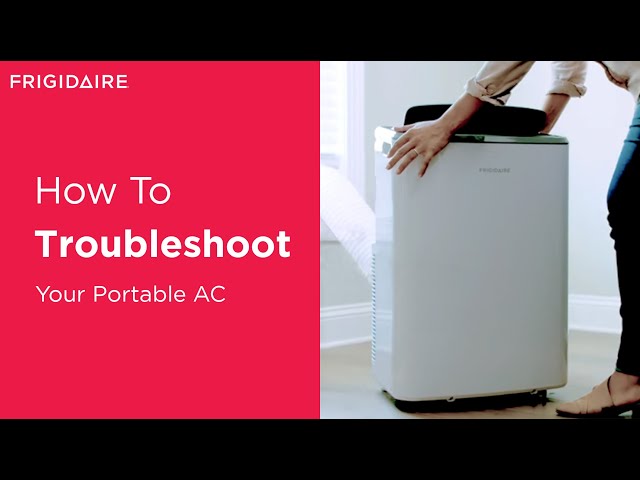
Is your Frigidaire air conditioner blowing warm air instead of a refreshing chill? This frustrating situation is common, especially during peak summer heat. A malfunctioning AC unit not only leaves you uncomfortable but can also lead to higher energy bills as it struggles to cool your home. Addressing this problem quickly is important to maintain a comfortable living environment and prevent potential further damage to your appliance. Don’t sweat it! This guide will walk you through common causes and simple troubleshooting steps to get your Frigidaire AC blowing cold air again.
Common Causes of Frigidaire Air Conditioner Not Blowing Cold Air
Here are some of the most frequent reasons why your Frigidaire AC might be failing to cool:
- Dirty Air Filter: A clogged filter restricts airflow, causing the unit to work harder and less efficiently.
- Frozen Evaporator Coil: Restricted airflow due to a dirty filter can cause the evaporator coil to freeze up.
- Dirty Condenser Coils: Located on the outside unit (for split systems or some window units), these coils release heat. Dirt accumulation hinders this process.
- Refrigerant Leaks: Low refrigerant levels reduce the cooling capacity.
- Blocked Vents: Furniture or curtains obstructing airflow from the AC unit.
- Faulty Fan Motor: A malfunctioning fan motor prevents proper air circulation across the coils.
- Capacitor Issues: The capacitor helps start and run the compressor and fan motor. A weak or failing capacitor can prevent these components from operating correctly.
- Thermostat Problems: Incorrect thermostat settings or a faulty thermostat can prevent the unit from cooling properly.
- Power Issues: Sometimes, a simple tripped breaker or power outage can be the culprit.
Symptoms Checklist
Use this checklist to help identify the problem:
- AC unit is running, but blowing warm air.
- AC unit is making unusual noises (buzzing, hissing, rattling).
- Ice buildup on the evaporator coils (inside the unit).
- The fan is not blowing air strongly.
- Higher than usual energy bills.
- AC unit cycles on and off frequently.
How to Fix Frigidaire Air Conditioner Not Blowing Cold Air Step-by-Step Guide
- Check the Thermostat: Ensure the thermostat is set to “Cool” and the temperature is lower than the current room temperature.
- Inspect the Air Filter: Remove the air filter and check for dirt and debris. If it’s dirty, clean or replace it. A clean filter is crucial for proper airflow.
- Clean the Air Filter: Depending on your filter type, you can wash it with mild soap and water, or vacuum it. Let it dry completely before reinstalling.
- Check for Frozen Coils: If you suspect frozen coils, turn off the AC and allow the ice to melt completely (this can take several hours). Once melted, clean or replace the air filter and try running the AC again.
- Clean the Condenser Coils: Locate the condenser coils (usually on the outside unit or accessible from the back of a window unit). Use a fin comb and a soft brush to remove dirt and debris. Be gentle to avoid damaging the fins.
- Clear Blocked Vents: Ensure that vents are open and unobstructed by furniture, curtains, or other items.
- Inspect the Fan: Make sure the fan blades are clean and not bent. A bent blade can affect airflow.
- Check the Power Supply: Verify that the AC unit is receiving power. Check the circuit breaker in your electrical panel and reset it if necessary. Ensure the unit is properly plugged in.
- Reset the AC Unit: Turn off the AC unit and unplug it from the power outlet. Wait for 5-10 minutes, then plug it back in and turn it on. This can sometimes reset the system and resolve minor issues.
- Inspect for Refrigerant Leaks (Advanced): While difficult to detect without specialized tools, look for signs of oil residue around the connections or on the coils, which can indicate a refrigerant leak. If you suspect a leak, it’s best to call a professional.
- Check the Capacitor (Advanced): This step is best left to a qualified technician, as capacitors can store a dangerous electrical charge even after the unit is unplugged.
Fix the Issue Without Buying Parts
Many AC problems can be resolved without purchasing new parts:
- Regular Cleaning: Clean the air filter every 1-3 months, and the condenser coils at least once a year.
- Clear Obstructions: Ensure proper airflow by keeping vents clear and unobstructed.
- Thermostat Calibration: Consult your AC unit’s manual to learn how to calibrate the thermostat for accurate temperature readings.
- Visual Inspection: Regularly inspect the unit for any signs of damage, leaks, or unusual noises.
- Proper Ventilation: Ensure the area around the outside unit has adequate ventilation.
When Replacement Might Be Necessary
If you’ve tried all the troubleshooting steps and your AC still isn’t cooling, it might be time for a replacement. Common signs include:
- Unit is more than 10-15 years old.
- Frequent breakdowns and costly repairs.
- Refrigerant leaks (repairing leaks can be expensive and may not be a long-term solution).
Replacement costs for a window AC unit can range from $150 to $600, while central AC systems can range from $3,000 to $7,000 or more, depending on the size and efficiency. Parts that commonly fail include the compressor, fan motor, and evaporator coil. It’s often wise to call a professional technician to get their advice on if replacing is the best option.
Safety Warning
- Always unplug the AC unit before performing any maintenance or cleaning.
- Avoid touching electrical components with wet hands.
- If you’re not comfortable working with electrical components, call a qualified technician.
- Be careful when cleaning the condenser coils, as the fins can be sharp.
Tools You May Need
- Screwdriver (Phillips and flathead)
- Fin comb
- Soft brush
- Vacuum cleaner
- Mild soap and water
- Work gloves
FAQ
Q: Why is my AC blowing warm air even after I cleaned the filter?
A: There might be other issues like frozen coils, a refrigerant leak, or a faulty fan motor. Follow the troubleshooting steps in this guide to investigate further.
Q: How often should I clean my AC filter?
A: Generally, every 1-3 months, depending on usage and air quality. Check it monthly and clean or replace as needed.
Q: What does it mean when my AC is making a loud buzzing noise?
A: This could indicate a problem with the capacitor, fan motor, or compressor. It’s best to call a qualified technician to diagnose and repair the issue.
Q: How do I know if my AC is low on refrigerant?
A: Signs include weak airflow, warm air blowing from the unit, and ice buildup on the evaporator coils. Refrigerant issues require professional attention.
Conclusion
Don’t let a warm AC unit ruin your day! By following these troubleshooting steps, you can often resolve common issues and restore your Frigidaire AC to its cooling glory. Remember to prioritize safety and, if you’re uncomfortable with any of the steps, don’t hesitate to call a qualified technician. Many times, a little DIY effort can save you time and money. Good luck!
Youtube Video:
Looking for more useful options?
Check out recommended resources that others find helpful.