Introduction
Is your fridge making strange noises, especially right after you close the door? This can be anything from a gentle hum to a loud whooshing sound, and it can be pretty annoying! More importantly, these noises can signal that your fridge isn’t running as efficiently as it should. Addressing these sounds promptly can prevent bigger problems down the road, like food spoilage or a complete fridge failure. Let’s explore some common causes and how you can tackle them yourself.
Common Causes of fridge making noise when door is closed
Several factors can contribute to a fridge making noise after the door is shut:
- The Condenser Fan Motor: This fan cools the condenser coils, which release heat. If it’s struggling, it can get noisy.
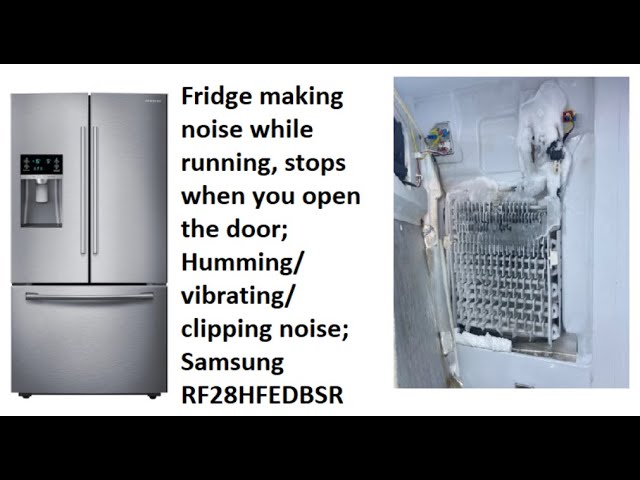
- The Evaporator Fan Motor: Located inside the freezer, this fan circulates cold air. Ice buildup or a failing motor can cause a racket.
- The Compressor: This is the heart of your fridge, pumping refrigerant. A struggling compressor will sound louder.
- Air Pressure Equalization: When you close the door, air is pushed out, creating a temporary pressure difference. The fridge needs to equalize this, sometimes causing a noise.
- Ice Maker Issues: If you have an ice maker, the water valve or the ice dropping mechanism can sometimes make sounds.
- Defrost Cycle: Fridges automatically defrost themselves periodically. This process can involve heating elements that sizzle or crackle.
- Loose Components: Over time, parts like drain pans or shelves can vibrate against the fridge body.
- Dirty Condenser Coils: Dust and debris on the coils force the fridge to work harder, increasing noise.
Symptoms Checklist
Use this checklist to narrow down the cause of your noisy fridge:
- Type of Noise: Is it a hum, buzzing, clicking, whooshing, or grinding sound?
- Timing: Does the noise occur immediately after closing the door, or does it continue for a while?
- Location: Can you pinpoint the noise to the back, bottom, or inside the freezer/fridge?
- Ice Maker Activity: Does the noise coincide with ice production?
- Freezer Temperature: Is the freezer unusually warm or cold?
- Fridge Temperature: Is the refrigerator unusually warm or cold?
How to Fix fridge making noise when door is closed Step-by-Step Guide
Follow these steps to troubleshoot your noisy fridge:
- Unplug the Fridge: Before you start, disconnect the fridge from the power outlet for safety.
- Clean the Condenser Coils: Located at the back or bottom of the fridge, these coils get dusty. Use a vacuum cleaner with a brush attachment to clean them thoroughly.
- Check the Condenser Fan: Locate the fan near the condenser coils. Make sure it’s not obstructed by debris and that it spins freely. Clean it if necessary.
- Inspect the Evaporator Fan: Open the freezer and check the evaporator fan (usually behind a panel). Ensure it’s not blocked by ice buildup.
- Defrost the Freezer: If there’s excessive ice, manually defrost the freezer. Unplug the fridge and leave the door open for several hours, or use a hairdryer on a low setting to speed up the process. Place towels to absorb melting water.
- Check the Drain Pan: This pan collects water from the defrost cycle. Make sure it’s properly positioned and not overflowing. Clean it to prevent mold growth.
- Tighten Loose Components: Inspect shelves, drawers, and the drain pan for any loose parts. Tighten screws or reposition items to prevent vibration.
- Level the Fridge: Ensure the fridge is level using a bubble level. Adjust the leveling feet at the bottom to stabilize it.
- Inspect the Door Seal (Gasket): Make sure the door seal is clean and forms a tight seal. Clean it with a damp cloth and mild detergent.
- Listen to the Compressor: The compressor is usually at the back of the fridge. Listen for unusual noises like rattling or grinding. Note the sound.
- Check the Ice Maker: If you have an ice maker, turn it off temporarily to see if the noise stops. This will help determine if the ice maker is the culprit.
- Air Pressure Relief: If the sound is a whooshing noise right after closing, it’s likely air pressure. Check the door gasket (seal) for any blockage. Ensure the refrigerator is not packed too tightly, which can prevent airflow.
- Plug the Fridge Back In: Once you’ve completed the inspection and cleaning, plug the fridge back into the power outlet.
- Monitor the Noise: Observe if the noise has subsided. If it persists, you may need to consider further troubleshooting or professional help.
Fix the Issue Without Buying Parts
Often, you can resolve the noise issue without spending any money:
- Reset the Fridge: Unplug the fridge for 30 minutes to reset the system. This can sometimes resolve minor glitches.
- Clean Regularly: Regularly clean the condenser coils and the interior of the fridge to prevent buildup of dust and debris.
- Level the Fridge: An unlevel fridge can cause vibrations and noises.
- Inspect and Tighten: Periodically check for loose components and tighten screws.
- Proper Airflow: Avoid over-packing the refrigerator. Ensure there is adequate space around items for good airflow.
When Replacement Might Be Necessary
In some cases, the noise may indicate a failing component that requires replacement. These are last-resort measures:
- Fan Motors: If the condenser or evaporator fan motor is consistently noisy or fails to spin freely, it may need to be replaced.
- Compressor: A failing compressor will make loud, unusual noises. Compressor replacement is expensive, often costing between $300 and $700, including labor.
- Ice Maker Assembly: If the ice maker is consistently malfunctioning and noisy, replacement may be necessary.
Safety Warning
- Always unplug the fridge from the power outlet before performing any maintenance or repairs.
- Be careful when handling electrical components. If you are uncomfortable working with electricity, consult a qualified technician.
- Avoid working on the fridge if the floor is wet to prevent electric shock.
- Always wear appropriate safety gear, such as gloves, when handling dirty or greasy components.
Tools You May Need
- Screwdriver (Phillips and flathead)
- Vacuum cleaner with brush attachment
- Bubble level
- Wrench or pliers
- Damp cloth
- Mild detergent
FAQ
Here are some frequently asked questions about noisy fridges:
-
Q: Why is my fridge making a humming noise after I close the door?
A: This could be due to the compressor running, the condenser fan operating, or air pressure equalizing. -
Q: The noise only happens when the ice maker is running. What’s wrong?
A: The ice maker’s water valve or ice-ejection mechanism might be faulty. Try turning off the ice maker to see if the noise stops. -
Q: My fridge is making a loud buzzing sound. Should I be worried?
A: A loud buzzing sound could indicate a problem with the compressor or a fan motor. Investigate further and consider contacting a technician. -
Q: How often should I clean the condenser coils?
A: Ideally, clean the condenser coils every 6 months to maintain optimal efficiency.
Conclusion
Don’t let a noisy fridge drive you crazy! By following these troubleshooting steps, you can often identify and resolve the issue yourself. Remember to prioritize safety and take your time. If you’re uncomfortable with any of these steps or if the noise persists, don’t hesitate to call a qualified appliance repair technician. They have the expertise to diagnose and fix more complex problems, ensuring your fridge runs smoothly for years to come.
Youtube Video:
Looking for more useful options?
Check out recommended resources that others find helpful.