
Introduction
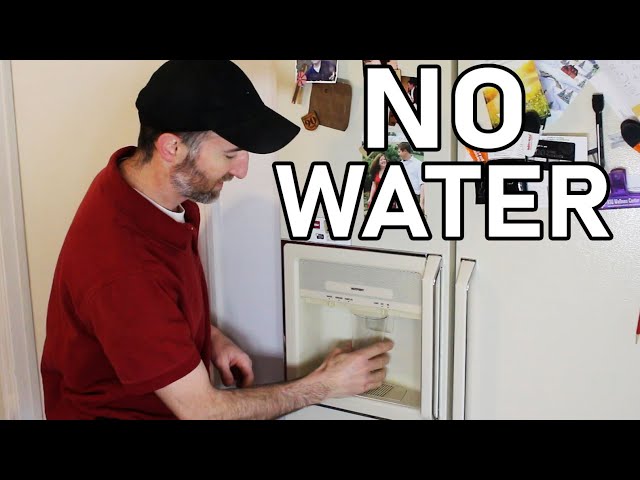
Is your refrigerator diligently making ice, but stubbornly refusing to dispense water? This is a common problem that many homeowners face. It can be frustrating, especially during hot weather when you need a refreshing glass of water. While it might seem like a major appliance malfunction, often the fix is simpler than you think. Addressing this issue promptly can save you from relying on alternative water sources and potentially prevent more significant damage to your refrigerator. Explore more in our Refrigerator Problems 2 collection.
💡 Technical Key Takeaways:
- Core Focus: Diagnostic schematic and terminal connection layout for Fridge Makes Ice But No Water.
- Target Scope: Field technicians, automotive DIYers, and residential/commercial electricians.
- Safety Rule: Always disconnect the primary power source/battery terminal and verify zero voltage with a multimeter before touching wires.
Common Causes of fridge makes ice but no water
Here are several reasons why your fridge might be making ice but not dispensing water:
- Frozen Water Line: The most common culprit is a frozen water line. This usually happens when the freezer temperature is set too low.
- Clogged Water Filter: A dirty or old water filter can restrict water flow, preventing it from reaching the dispenser.
- Kinked or Damaged Water Line: The plastic tubing that carries water can become kinked, pinched, or damaged, blocking water flow.
- Water Inlet Valve Malfunction: The water inlet valve controls the flow of water into the refrigerator. If it’s faulty, it might not open to allow water to the dispenser.
- Low Water Pressure: If your home’s water pressure is too low, it may not be enough to push water through the system.
- Dispenser Switch Problems: The switch that activates the water dispenser might be broken or malfunctioning.
- Frozen Dispenser Nozzle: Sometimes, ice can form directly in the dispenser nozzle, blocking the water outlet.
- Faulty Water Tank: Some refrigerators have a small water tank. If damaged it may not send water to the dispenser.
Symptoms Checklist
Use this checklist to pinpoint the problem:
- Ice maker is working fine, producing ice normally.
- No water comes out when the water dispenser lever is pressed.
- Water filter is relatively new or has been recently changed.
- Unusual noises (buzzing, clicking) coming from the back of the fridge when trying to dispense water.
- Water pressure in other faucets in your home is normal.
How to Fix fridge makes ice but no water Step-by-Step Guide
Follow these steps to troubleshoot the problem:
- Check the Freezer Temperature: Make sure your freezer is set to the recommended temperature (usually around 0F or -18C). A too-cold freezer can cause the water line to freeze. Adjust the temperature, if needed.
- Locate and Inspect the Water Filter: Find the water filter (usually located inside the fridge or in the base grille). Remove it and inspect it for clogs or damage.
- Replace the Water Filter (If Necessary): If the filter is old or visibly clogged, replace it with a new one. Refer to your refrigerator’s manual for the correct filter type.
- Check the Water Line for Freezing: Look for the water line, usually a thin plastic tube running from the back of the fridge to the water inlet valve. Feel along the line for any frozen sections.
- Thaw a Frozen Water Line: If you find a frozen section, try thawing it with a hairdryer on a low setting. Gently heat the area, being careful not to melt the plastic. You can also try wrapping the line with warm towels.
- Inspect the Water Line for Kinks and Damage: Carefully examine the water line for any kinks, pinches, or damage. Straighten any kinks you find. If the line is damaged, it may need to be replaced.
- Locate the Water Inlet Valve: This valve is typically located at the back of the refrigerator, near the water supply connection.
- Check Water Pressure to the Fridge: Ensure the water supply valve is fully open and that there is sufficient water pressure in your home.
- Test the Water Dispenser Switch: If you have a multimeter and know how to use it, you can test the dispenser switch for continuity. If the switch is faulty, it may need to be replaced (this is a more advanced step).
- Listen for the Water Inlet Valve: When someone presses the water dispenser lever, listen for a clicking sound coming from the water inlet valve. If you don’t hear anything, the valve might be faulty.
- Check the Dispenser Nozzle: Check for ice buildup or debris blocking the nozzle. Clear any obstructions.
- Reset the Refrigerator: Unplug the refrigerator for 5 minutes, then plug it back in. This can sometimes reset the system and resolve minor issues.
- Check the Water Tank (If Applicable): If your fridge has an internal water tank, make sure its properly seated and undamaged.
Fix the Issue Without Buying Parts
Before considering replacing any parts, try these free methods:
- Reset the fridge: Unplug the appliance for 5 minutes. This can solve software glitches.
- Clean the dispenser nozzle: Use a small brush to remove any debris from the nozzle.
- Inspect the water line connections: Make sure all connections are tight and secure.
- Regularly change the water filter: Replacing the water filter every 6 months can prevent clogs and maintain water flow.
When Replacement Might Be Necessary
If you’ve tried all the troubleshooting steps and the problem persists, a faulty water inlet valve, dispenser switch, or damaged water line might need replacement. The cost for these repairs can range from $50 to $200 depending on the part and labor involved. A severely damaged water tank may also require replacement.
Safety Warning
- Always unplug the refrigerator before performing any repairs.
- Avoid working with electrical components if you are not comfortable or experienced.
- Be careful when using a hairdryer to thaw frozen lines; avoid overheating.
- If water spills, clean it up immediately to prevent slips.
Tools You May Need
- Screwdrivers (Phillips and flathead)
- Pliers
- Hairdryer
- Warm towels
- New water filter (if needed)
- Multimeter (optional, for testing the dispenser switch)
FAQ
Here are some common questions:
- Q: How often should I change my refrigerator’s water filter? A: Most manufacturers recommend replacing the water filter every six months.
- Q: Why does my water dispenser work sometimes, but not others? A: This could be due to a partially frozen water line, low water pressure, or a failing water inlet valve.
- Q: Can I use a generic water filter instead of the brand-name one? A: Yes, but ensure the generic filter is compatible with your refrigerator model.
- Q: How do I know if my water inlet valve is bad? A: If you don’t hear a clicking sound when the dispenser lever is pressed, and you’ve ruled out other causes, the valve is likely faulty.
Conclusion
Don’t let a fridge that makes ice but not water ruin your day! By following these troubleshooting steps, you can often resolve the issue yourself and save on repair costs. Remember to start with the simplest solutions first and work your way through the more complex ones. If you’re not comfortable performing any of these steps, it’s always best to call a qualified appliance repair technician. Discover more free resources across our collection library.
Youtube Video:
Quick Wiring Specifications & Terminal Guide
| Component / Circuit | Standard Wire Gauge | Recommended Protection |
|---|---|---|
| Control & Trigger Signals | 18 – 20 AWG | 5A – 7.5A Inline Fuse |
| Standard Auxiliary Load | 14 – 16 AWG | 15A – 20A Circuit Breaker |
| Main Power Feed / Supply | 10 – 12 AWG | 30A – 40A Heavy-Duty Relay |
