Introduction
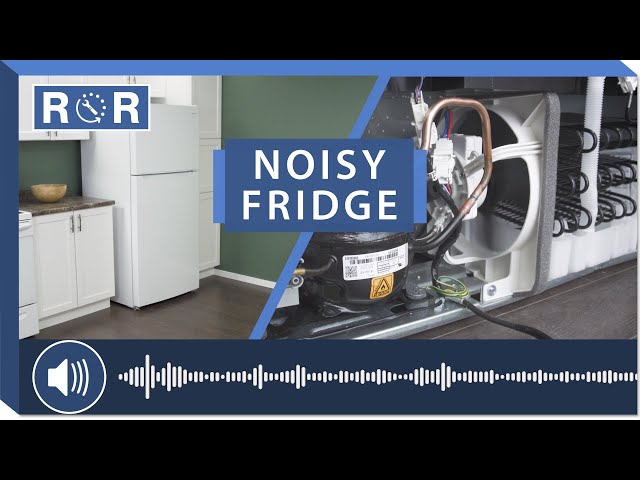
Hearing unusual noises from your refrigerator can be unsettling. A fridge is designed to run quietly, so any new or persistent sounds indicate a potential problem. Ignoring these sounds could lead to bigger issues down the line, like food spoilage or costly repairs. This guide will walk you through common causes and simple fixes, helping you get your fridge back to its normal humming self.
Common Causes of fridge got sound
Here are some common reasons why your fridge might be making noise:
- Ice Maker Issues: Ice makers can be noisy as they fill with water, release ice, or if something is stuck.
- Condenser Fan Motor: This fan helps cool the compressor. If it’s dirty, worn, or obstructed, it can make rattling or buzzing sounds.
- Evaporator Fan Motor: Located inside the freezer, this fan circulates cold air. Ice buildup or a failing motor can cause it to make noise.
- Compressor Problems: The compressor is the heart of your fridge. A failing compressor can produce loud humming, clicking, or grinding sounds.
- Water Inlet Valve: This valve supplies water to the ice maker and water dispenser. If it’s faulty, it might buzz or hum.
- Defrost Timer: This component controls the defrost cycle. It can make a clicking sound as it switches between cycles.
- Dirty Condenser Coils: Dust and debris on the coils can cause the fridge to work harder and make more noise.
- Unlevel Fridge: An uneven fridge can cause vibrations and rattling sounds.
- Items inside the fridge: Sometimes, items in the fridge vibrate against each other or the shelves.
Symptoms Checklist
Check these indicators to help pinpoint the issue:
- Loud Humming: Could indicate compressor issues or a loose part.
- Rattling Sound: Often caused by a loose fan blade, an unlevel fridge, or vibrating items.
- Buzzing Sound: Might be a water inlet valve issue or a failing compressor.
- Clicking Sound: Could be the defrost timer or the compressor trying to start.
- Grinding Sound: Usually indicates a failing motor (fan or compressor).
- Ice Maker Noises: Occasional ice dropping is normal; constant loud noises are not.
- Increased Fridge Temperature: Accompanied by unusual noises can signal a serious problem.
- Water Leaks: Can cause unusual noises as water drips or freezes in unexpected places.
How to Fix fridge got sound Step-by-Step Guide
Follow these steps to troubleshoot the noise:
- Identify the Noise: Determine the type of sound (humming, rattling, clicking, etc.) and when it occurs.
- Locate the Source: Try to pinpoint where the noise is coming from (back, inside, top, bottom).
- Check the Fridge Level: Use a level to ensure the fridge is sitting evenly. Adjust the feet if necessary.
- Inspect the Condenser Coils: Locate the coils (usually on the back or bottom) and clean them with a vacuum cleaner brush attachment.
- Examine the Condenser Fan: Located near the compressor, check for obstructions and clean the fan blades. Make sure the fan spins freely.
- Check the Evaporator Fan: Open the freezer and listen for the evaporator fan. If it’s not running, or making noise, investigate further. Remove the back panel inside the freezer to access the fan.
- Defrost the Freezer: If there’s excessive ice buildup in the freezer, defrost it completely (unplug the fridge and let the ice melt).
- Inspect the Ice Maker: Check for ice jams or obstructions. Make sure the water line is properly connected.
- Check the Water Inlet Valve: Locate the valve (usually on the back of the fridge) and listen for buzzing or humming when the ice maker or water dispenser is activated.
- Listen to the Compressor: Place your hand on the compressor (usually at the bottom back). Is it excessively hot or vibrating loudly?
- Rearrange Items Inside: Ensure items aren’t touching or vibrating against each other or the fridge walls.
- Consult the Manual: Your fridge’s manual may have specific troubleshooting tips for noise issues.
- Unplug and Reset: Sometimes, simply unplugging the fridge for 30 minutes and then plugging it back in can reset the system and resolve minor issues.
- Listen Again: After each step, give the fridge some time to run and see if the noise has diminished or disappeared.
Fix the Issue Without Buying Parts
Here are some things you can try without buying new parts:
- Reset the Fridge: Unplug it for 30 minutes, then plug it back in.
- Clean the Condenser Coils: Vacuum them regularly.
- Ensure Proper Airflow: Don’t overcrowd the fridge or freezer.
- Level the Fridge: Use a level and adjust the feet.
- Regular Defrosting: Prevents ice buildup that can cause noise.
- Inspect for Obstructions: Check fan blades and ice maker components.
When Replacement Might Be Necessary
If you’ve tried all the troubleshooting steps and the noise persists, or if the fridge is no longer cooling properly, replacement might be necessary. Common failing parts include the compressor (estimated cost: $200-$500), the condenser fan motor ($50-$150), and the evaporator fan motor ($50-$150). However, before replacing expensive parts, consider the age of the fridge. If it’s more than 10 years old, replacing the entire unit might be more cost-effective.
Safety Warning
- Always unplug the fridge before performing any maintenance or repairs.
- Avoid working on electrical components with wet hands or on wet floors.
- If you’re uncomfortable working with electrical appliances, consult a qualified technician.
- Be careful when handling fan blades, as they can be sharp.
- When moving the fridge, be sure to have assistance to avoid injury.
Tools You May Need
- Screwdrivers (Phillips and flathead)
- Vacuum cleaner with brush attachment
- Level
- Wrench (for adjusting fridge feet)
- Gloves
FAQ
Here are some frequently asked questions:
- Q: Why is my fridge humming so loudly? A: A loud hum usually indicates a problem with the compressor or a loose component.
- Q: What does it mean when my fridge is clicking? A: Clicking sounds can indicate a defrost timer issue or the compressor trying to start.
- Q: Why is my freezer fan making noise? A: It could be ice buildup or a failing fan motor. Try defrosting the freezer.
- Q: How often should I clean the condenser coils? A: At least every six months, or more often if you have pets.
- Q: My fridge is making a rattling noise. What should I check? A: Check if the fridge is level and that items inside are not vibrating against each other. Also, check the fan blades for obstructions.
- Q: How long should a refrigerator last? A: Most refrigerators last between 10 and 15 years.
Conclusion
Addressing fridge noises promptly can save you money and prevent bigger problems. By following these steps, you can often diagnose and fix the issue yourself. Don’t be afraid to tackle these simple repairs. However, if you’re unsure or uncomfortable, don’t hesitate to call a qualified appliance repair technician.
Youtube Video:
Looking for more useful options?
Check out recommended resources that others find helpful.