Introduction
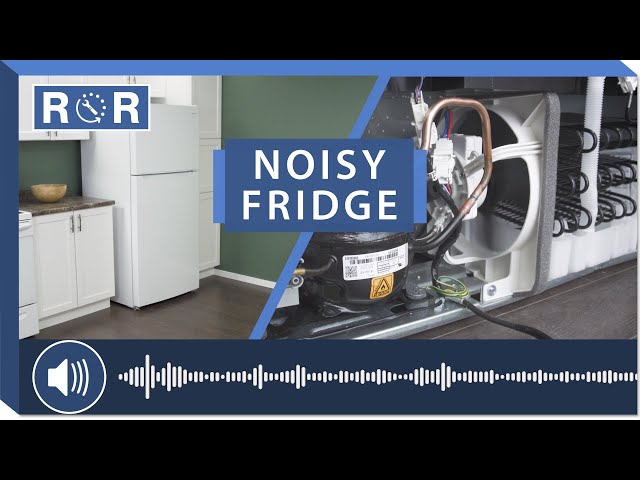
A noisy refrigerator is more than just an annoyance; it can signal a problem with your fridge’s cooling system. Often, the culprit is the fridge fan motor. This guide will help you understand why your fridge fan is making noise, how to diagnose the issue, and what steps you can take to resolve it yourself. Addressing this noise promptly can prevent further damage to your refrigerator and potentially save you from costly repairs or food spoilage. Don’t delay let’s get your fridge running quietly again!
Common Causes of Fridge Fan Motor Noise
Here are some of the most common reasons why your fridge fan motor might be making noise:
- Ice Buildup: Ice accumulating around the evaporator fan (in the freezer) can obstruct the fan blades.
- Debris Obstruction: Dust, food crumbs, or other debris can get lodged in the fan blades, causing a whirring or scraping sound.
- Worn-Out Motor Bearings: Over time, the bearings in the fan motor can wear out, leading to a grinding or squealing noise.
- Loose Fan Blades: If the fan blades are loose, they can vibrate and create a rattling sound.
- Faulty Motor: The motor itself could be failing, producing a constant humming or buzzing.
- Incorrect Fan Position: If the fan is not correctly positioned it may be hitting the casing.
- Overloaded Refrigerator: While not directly causing fan issues, an overloaded refrigerator can make the fridge work harder and create extra heat, stressing the fan.
- Old age of refrigerator : As the refrigerator gets old, parts like the fan motor become worn and fail more easily.
Symptoms Checklist
Check these indicators to help identify the issue more accurately:
- Loud whirring, grinding, or rattling noises coming from inside the freezer or refrigerator compartment.
- Increased frost buildup inside the freezer.
- The refrigerator is not cooling as effectively as it used to.
- The noise is intermittent or constant.
- You can see ice buildup around the fan blades.
- The sound changes when you open or close the refrigerator door.
How to Fix Fridge Fan Motor Noise Step-by-Step Guide
Follow these steps to troubleshoot and fix the noise:
- Unplug the Refrigerator: For safety, always unplug the refrigerator from the power outlet before starting any repairs.
- Locate the Evaporator Fan (Freezer): This fan is usually located in the freezer compartment, behind a panel. Consult your refrigerator’s manual for the exact location.
- Remove the Panel: Use a screwdriver to carefully remove the panel covering the evaporator fan.
- Inspect for Ice Buildup: Check for ice accumulation around the fan blades. If there’s ice, proceed to the next step.
- Defrost the Freezer: Manually defrost the freezer by leaving the door open (with towels underneath to catch water) for several hours, or use a hairdryer (on a low setting and kept a safe distance) to melt the ice.
- Clean the Fan Blades: Once the ice is gone, use a soft cloth or brush to remove any dust, debris, or ice particles from the fan blades.
- Spin the Fan Blades Manually: Gently spin the fan blades with your finger to ensure they move freely and don’t rub against anything.
- Check for Obstructions: Look for any objects that might be obstructing the fan’s movement. Remove any obstructions.
- Locate the Condenser Fan (Back of Fridge): This fan is usually located at the bottom rear of the refrigerator.
- Inspect the Condenser Fan: Check for any visible debris, such as dust, pet hair, or lint, that may be blocking the fan blades.
- Clean the Condenser Fan: Use a vacuum cleaner with a brush attachment to remove any debris from the condenser fan blades.
- Tighten Loose Screws: Check for any loose screws around the fan motor or housing and tighten them.
- Reassemble and Plug In: Reassemble the panels and plug the refrigerator back into the power outlet.
- Monitor the Noise: Listen to see if the noise is gone. It may take a few hours for the refrigerator to reach its normal operating temperature.
Fix the Issue Without Buying Parts
Here are some things you can try that don’t involve buying any parts:
- Regular Cleaning: Clean the condenser coils at the back of the refrigerator every 6 months to improve airflow.
- Proper Loading: Avoid overpacking the refrigerator, as this can restrict airflow and cause the fans to work harder.
- Door Seal Inspection: Check the door seals for any gaps or damage. Replace worn seals to maintain proper temperature and reduce stress on the cooling system.
When Replacement Might Be Necessary
If the noise persists after performing the troubleshooting steps above, the fan motor may be failing and need replacement. A new fan motor can range from $30 to $100 USD depending on your refrigerator model. Common parts that fail are the fan motor itself, the fan blades (if damaged), and the mounting hardware.
Safety Warning
- Always unplug the refrigerator before performing any repairs.
- Avoid working on the refrigerator with wet hands.
- Be careful when using tools to avoid injury.
- If you’re not comfortable performing the repairs yourself, consult a qualified appliance technician.
Tools You May Need
- Screwdriver (Phillips head and flat head)
- Vacuum cleaner with brush attachment
- Soft cloth or brush
- Hair dryer (optional, for defrosting)
- Gloves
FAQ
Here are some frequently asked questions:
- Q: Why is my fridge fan so loud all of a sudden? A: It could be due to ice buildup, debris obstruction, or a failing motor.
- Q: How do I know which fan is making the noise? A: Listen closely to the location of the noise. The evaporator fan is in the freezer, while the condenser fan is at the back of the fridge.
- Q: Can I run my fridge with a noisy fan motor? A: It’s not recommended, as a noisy fan motor can indicate a problem that could lead to more serious damage or food spoilage.
- Q: How often should I clean the condenser coils? A: At least every 6 months.
Conclusion
Troubleshooting fridge fan motor noise can seem daunting, but with a little patience and these steps, you can often resolve the issue yourself. Remember to prioritize safety and take your time. If you’ve exhausted all the troubleshooting steps and the noise persists, it might be time to consult a qualified appliance technician. Don’t hesitate to seek professional help a quiet, efficiently running refrigerator is worth the investment!
Youtube Video:
Looking for more useful options?
Check out recommended resources that others find helpful.