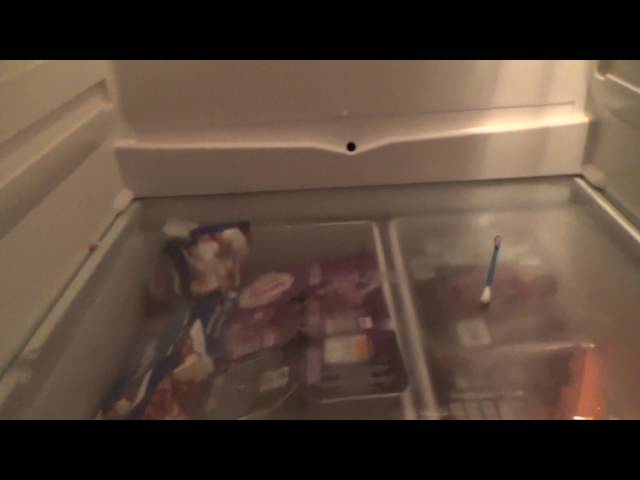
Introduction
Finding water pooling at the back of your fridge can be frustrating and a bit alarming. It’s a sign that something isn’t quite right, and if left unattended, it can lead to bigger problems like mold growth or food spoilage. This issue often surfaces when the weather changes, when the fridge is overly packed, or simply as a result of normal wear and tear. Addressing it promptly is key to keeping your food fresh and avoiding costly repairs down the line. Let’s get to the bottom of this!
Common Causes of Fridge Collecting Water at the Back
Here are some typical reasons why you might find water collecting in your fridge:
- Clogged Defrost Drain: This is the most common culprit. The drain carries melted frost away, and if it gets blocked, water backs up.
- Overfilled Fridge: Too many items can restrict airflow, leading to uneven cooling and condensation.
- Incorrect Temperature Setting: Setting the fridge too cold can cause excessive frost build-up.
- Door Not Sealing Properly: A worn or dirty door seal allows warm, moist air to enter, creating condensation.
- Frequent Door Openings: Opening the door often lets warm air in, increasing the amount of condensation.
- Blocked Air Vents: Vents that circulate cold air can become blocked, leading to uneven temperatures and condensation.
- Humid Environment: In very humid climates, condensation may occur more readily inside the fridge.
- Recently Added Warm Food: Placing warm food inside the fridge raises the internal temperature and causes condensation.
Symptoms Checklist
Check if any of these apply to your situation to pinpoint the problem:
- Water pooling at the bottom of the fridge compartment.
- Ice build-up on the back wall of the fridge.
- Food spoiling faster than usual.
- Musty or unpleasant odor inside the fridge.
- Fridge running more frequently than normal.
How to Fix Fridge Collecting Water at the Back Step-by-Step Guide
Follow these steps to troubleshoot and fix the water collection issue:
- Unplug the Fridge: For safety, always unplug the fridge before starting any work.
- Locate the Defrost Drain: It’s usually found on the back wall of the fridge, often behind the crisper drawers.
- Melt Any Ice Build-Up: If there’s ice blocking the drain, melt it with a hairdryer (on a low setting) or by leaving the fridge unplugged for a few hours.
- Clear the Drain: Use a thin, flexible object like a pipe cleaner, a straightened coat hanger, or a turkey baster filled with warm water to flush out the drain. Insert the object into the drain and gently push to dislodge any debris.
- Flush the Drain: Pour a cup of warm water mixed with a tablespoon of baking soda down the drain to clear any remaining blockages.
- Check the Door Seal: Inspect the rubber seal around the fridge door for any damage, dirt, or gaps.
- Clean the Door Seal: Wipe the door seal with a damp cloth and mild soap to remove any dirt or grime.
- Adjust the Fridge Temperature: Ensure the fridge is set to the recommended temperature (usually between 37-40F or 3-4C).
- Rearrange the Fridge Contents: Make sure items aren’t blocking air vents and that there’s adequate space for air to circulate.
- Avoid Overfilling the Fridge: Remove any unnecessary items to improve airflow.
- Allow Warm Food to Cool: Let hot or warm food cool down before placing it in the fridge.
- Plug the Fridge Back In: Once you’ve completed the steps, plug the fridge back in and allow it to run for a few hours.
- Monitor for Recurrence: Keep an eye on the back of the fridge to see if the water collection returns. If it does, repeat the steps or consider further investigation.
Fix the Issue Without Buying Parts
Here are some free methods to try before considering replacements:
- Reset the Fridge: Unplug the fridge for 30 minutes, then plug it back in. This can sometimes reset the defrost cycle.
- Regular Cleaning: Clean the inside of your fridge regularly to prevent food debris from blocking air vents or the drain.
- Inspect Regularly: Check the back of the fridge every few weeks for any signs of water or ice build-up.
- Maintenance Basics: Keep the condenser coils clean by vacuuming them every 6 months. They’re usually located at the back or bottom of the fridge.
When Replacement Might Be Necessary
If the problem persists after trying the above steps, a component might be failing. The defrost heater or the defrost timer could be faulty. A repair technician can diagnose these issues accurately. Defrost heaters typically cost between $50-$150, and defrost timers range from $30-$80. In some cases, if the fridge is very old or the repairs are extensive, replacing the entire fridge might be more cost-effective.
Safety Warning
- Always unplug the fridge before performing any maintenance or repairs.
- Avoid touching any electrical components with wet hands.
- Be careful when using sharp objects to clear the defrost drain to avoid damaging the fridge.
- Clean up any spilled water immediately to prevent slips and falls.
Tools You May Need
- Screwdriver (Phillips and flathead)
- Pipe cleaner or flexible wire
- Turkey baster or syringe
- Warm water
- Baking soda
- Damp cloth
- Hair dryer (optional)
FAQ
Here are some frequently asked questions:
-
Q: Why is my fridge freezing food at the back?
A: The temperature setting might be too low, or food might be placed too close to the cooling vents.
-
Q: How often should I clean the defrost drain?
A: It’s a good idea to clean it every 6 months or whenever you notice water pooling.
-
Q: Can a full freezer cause water in the fridge?
A: Not directly, but a freezer that’s not cooling properly can affect the overall performance of the fridge.
-
Q: What if the water is not clean, smells bad?
A: Flush the drain with a mixture of bleach and water after cleaning to disinfect it.
Conclusion
Finding water at the back of your fridge doesn’t have to be a major headache. By following these steps, you can often diagnose and fix the issue yourself. Remember to prioritize safety and take your time. If you’ve tried everything and the problem persists, it might be time to call a qualified appliance technician. However, with a little effort, you can often save yourself time and money by tackling this problem on your own!
Youtube Video:
Looking for more useful options?
Check out recommended resources that others find helpful.