Introduction
A freezer that’s frosting up excessively while the refrigerator isn’t staying cold is a common household problem. This isn’t just an inconvenience; it can lead to spoiled food, wasted energy, and potentially costly repairs if left unaddressed. The issue often arises gradually, starting with a slight increase in freezer frost and a subtle warming of the fridge. It’s essential to tackle this promptly to prevent food spoilage and further damage to your appliance.
Common Causes of freezer frosting up fridge not cold
Here are some reasons your freezer might be frosting up while your fridge struggles to stay cold:
- Door Seal Problems: Damaged or dirty door seals let warm air in, causing frost and impacting cooling.
- Blocked Vents: Vents between the freezer and fridge can get blocked by food, restricting airflow.
- Defrost System Failure: A faulty defrost heater, timer, or thermostat prevents the freezer from automatically defrosting.
- Dirty Condenser Coils: Dust-covered coils reduce the refrigerator’s ability to release heat.
- Faulty Damper Control: The damper controls the amount of cold air flowing from the freezer to the refrigerator.
- Overpacked Freezer: Overpacking restricts airflow and can contribute to uneven temperatures.
- Incorrect Temperature Settings: Settings that are too low can strain the cooling system.
- Failed Start Relay or Capacitor: These components help the compressor start and run efficiently.
- Compressor Issues: A failing compressor might not cool effectively.
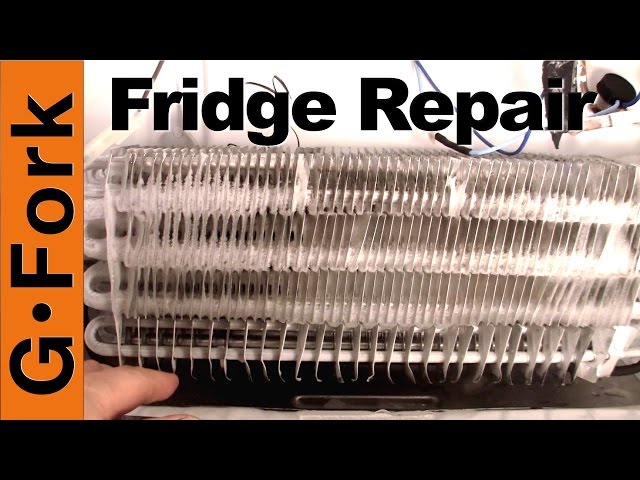
- Ice Buildup on Evaporator Coils: If the freezer evaporator coils ice up, the freezer can’t cool properly and the fridge suffers.
Symptoms Checklist
Check these indicators to confirm the issue:
- Excessive frost or ice buildup in the freezer.
- Food in the refrigerator is not as cold as it should be.
- You notice condensation or moisture inside the fridge.
- The refrigerator is running more frequently than usual.
- The motor is unusually loud.
- Ice cream in the freezer is soft or melting.
- Food in the fridge is spoiling faster than normal.
How to Fix freezer frosting up fridge not cold Step-by-Step Guide
- Unplug the Refrigerator: For safety, disconnect the appliance from the power outlet before starting.
- Empty the Freezer and Fridge: Remove all food items and store them in a cooler or another refrigerator.
- Inspect the Door Seals: Clean the door seals with warm, soapy water and check for any tears or damage. Replace if necessary.
- Check and Clear Air Vents: Make sure the vents between the freezer and fridge are not blocked by food items.
- Manually Defrost the Freezer: Leave the freezer door open for 24-48 hours to melt all the ice. Place towels inside to absorb water.
- Clean the Condenser Coils: Locate the coils (usually on the back or bottom of the refrigerator) and vacuum them thoroughly.
- Inspect the Defrost Drain: The drain is typically located at the back of the freezer floor. Clean it with warm water and a pipe cleaner or turkey baster to remove any blockages.
- Check Temperature Settings: Ensure the temperature settings for both the freezer and fridge are appropriate. Refer to your refrigerator’s manual.
- Test the Damper Control (if accessible): The damper controls airflow. Check if it’s opening and closing properly. If it is stuck, you may require professional help.
- Reassemble and Plug In: Once everything is clean and dry, plug the refrigerator back in.
- Monitor the Performance: Give the refrigerator 24 hours to stabilize and monitor the temperature.
- Listen for Unusual Noises: Pay attention to any unusual sounds coming from the compressor or fans.
- Check for Frost Buildup Again: After a few days, check if excessive frost is returning.
- Organize Food Properly: Ensure food is properly stored and not blocking air vents once you restock the fridge and freezer.
Fix the Issue Without Buying Parts
Many times, you can resolve this problem without immediately replacing parts:
- Reset the Refrigerator: Unplug the refrigerator for 30 minutes, then plug it back in to reset the system.
- Deep Cleaning: A thorough cleaning of the refrigerator can improve airflow and efficiency.
- Recalibrate Temperature: Ensure the temperature settings are correct and not set too low.
- Regular Inspection: Regularly check the door seals and air vents for any signs of damage or blockage.
- Proper Maintenance: Clean the condenser coils every 6 months to maintain optimal performance.
When Replacement Might Be Necessary
If the problem persists after trying the above steps, a faulty component might be the cause. Here are some common parts that fail:
- Defrost Heater: If the defrost heater is not working, ice will accumulate. Expect to pay $50-$150 for the part.
- Defrost Timer/Thermostat: A faulty timer or thermostat can prevent the defrost cycle from starting. Parts cost $30-$100.
- Damper Control: If the damper is broken, it can cause temperature imbalances. Part prices range from $40-$120.
- Door Seals: Heavily damaged door seals need replacement. Expect to pay $30-$80 per seal.
Safety Warning
- Always unplug the refrigerator before performing any maintenance or repairs.
- Avoid working on electrical components if you’re not comfortable. Seek professional help.
- Be careful when handling sharp objects or tools.
- Dry your hands thoroughly before plugging the refrigerator back in.
- Never spray water directly onto electrical components.
Tools You May Need
- Screwdrivers (Phillips and flathead)
- Vacuum cleaner with brush attachment
- Warm water and mild soap
- Clean cloths or sponges
- Pipe cleaner or turkey baster
- Multimeter (for testing electrical components – optional)
FAQ
Here are some frequently asked questions:
- Why is my freezer frosting up so quickly? Damaged door seals, blocked vents, or a faulty defrost system are common causes.
- How do I manually defrost my freezer? Unplug the refrigerator, empty the freezer, and leave the door open for 24-48 hours.
- How often should I clean the condenser coils? Clean the coils every 6 months to maintain optimal performance.
- What temperature should my refrigerator be? The ideal temperature is between 35F and 38F (1.7C and 3.3C).
- What temperature should my freezer be? The ideal temperature is 0F (-18C).
- What happens if my condenser fan is not running? The refrigerator may not cool properly, leading to food spoilage.
Conclusion
Tackling a freezer that’s frosting up while the fridge isn’t cooling can seem daunting, but by following these steps, you can often resolve the issue yourself. Remember to prioritize safety and take your time. If you’ve tried these solutions and are still experiencing problems, don’t hesitate to call a qualified appliance technician for professional assistance.
Youtube Video:
Looking for more useful options?
Check out recommended resources that others find helpful.