Introduction
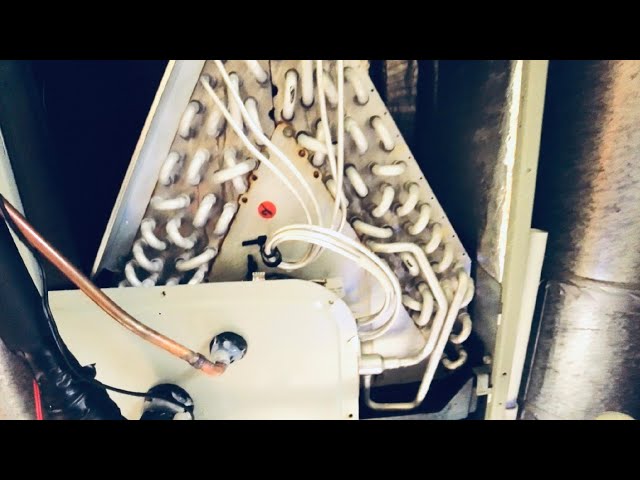
Seeing water dripping off your air conditioner’s coil (the cold part inside the indoor unit) can be alarming, but it’s a fairly common problem. This dripping condensate, if left unchecked, can lead to water damage to your ceilings, walls, or flooring. It usually happens when the AC system can’t properly drain the water it pulls from the air. Addressing this issue quickly is important to prevent further damage and maintain the efficiency of your AC system.
Common Causes of Condensate Dripping Off Coil
Here are some common reasons why you might be experiencing this issue:
- Clogged Drain Line: This is the most frequent culprit. The drain line carries water away, and if it’s blocked, the water backs up and drips.
- Dirty Air Filter: A clogged filter restricts airflow, causing the coil to get too cold and ice over. When the ice melts, it overwhelms the drain pan.
- Low Refrigerant: Low refrigerant levels can also cause the coil to freeze, leading to excessive dripping when the ice melts.
- Kinked or Disconnected Drain Line: If the drain line is bent or has come loose, the water can’t drain properly.
- Damaged Drain Pan: A cracked or rusted drain pan can leak water, making it seem like the coil is dripping.
- Improper Installation: If the AC unit wasn’t installed correctly, the drain line might not be properly sloped, hindering drainage.
- Dirty Coil: A dirty evaporator coil restricts airflow, reducing the ability of the system to effectively cool, leading to condensation and ice formation.
- High Humidity: Exceptionally humid conditions can cause the AC to produce more condensate than it can handle.
Symptoms Checklist
Here are some signs that your AC coil might be dripping condensate excessively:
- Water stains on your ceiling or walls near the indoor unit.
- Water pooling around the indoor AC unit.
- Musty or moldy odors coming from the AC unit.
- The AC system is running, but the room isn’t cooling as effectively as usual.
- Visible ice forming on the coil.
How to Fix Condensate Dripping Off Coil Step-by-Step Guide
Here’s how to troubleshoot and fix the issue. Remember to turn off your AC unit at the breaker before starting any work.
- Turn Off the AC: Safety first! Turn off the AC unit at the breaker box.
- Inspect the Air Filter: Remove the air filter and check if it’s dirty. If so, replace it with a new one.
- Locate the Drain Line: Find the PVC pipe that runs from the indoor unit to the outside or to a drain.
- Check for Kinks: Ensure the drain line isn’t kinked or bent. Straighten it out if needed.
- Inspect the Drain Line Connection: Make sure the drain line is securely connected to the AC unit and the drain outlet.
- Clear the Drain Line (Option 1 – Wet/Dry Vac): Use a wet/dry vacuum to suck out any clogs. Place the vacuum hose over the end of the drain line and turn it on for a few minutes.
- Clear the Drain Line (Option 2 – Wire): Carefully insert a stiff wire (like a coat hanger) into the drain line to break up any clogs. Be gentle to avoid damaging the pipe.
- Flush the Drain Line: Pour a cup of distilled vinegar into the drain line opening. Vinegar helps dissolve algae and mold. Let it sit for 30 minutes, then flush with water.
- Inspect the Drain Pan: Check the drain pan (located beneath the coil) for cracks or rust.
- Clean the Drain Pan: If the drain pan is accessible, clean it with a mild detergent and water.
- Check for Ice Buildup: If you see ice on the coil, let it thaw completely before proceeding. You can speed up the process by turning on the fan without the AC.
- Reassemble and Test: Reconnect everything, turn the AC back on at the breaker, and monitor for dripping.
- Check for Proper Slope: Verify the drain line slopes downward continuously away from the AC unit.
- Monitor Airflow: Ensure vents aren’t blocked by furniture. Adequate airflow prevents coil freeze-up.
Fix the Issue Without Buying Parts
Often, you can resolve condensate dripping issues without needing to buy new parts:
- Regularly clean or replace your air filter (every 1-3 months).
- Periodically flush the drain line with vinegar (every 6 months).
- Inspect the drain line for kinks or disconnections regularly.
- Ensure proper airflow by keeping vents unobstructed.
- Check that the outdoor unit is free of debris, allowing efficient heat exchange.
When Replacement Might Be Necessary
If the dripping persists after trying the above steps, or if you notice:
- The drain pan is severely cracked or rusted.
- The coil is physically damaged.
- Low refrigerant is the confirmed cause (requires a professional).
Then a replacement might be needed. Drain pans can cost between $50 and $200, while a coil replacement can range from $500 to $2000, depending on the unit.
Safety Warning
- Always turn off the power to the AC unit at the breaker before performing any maintenance.
- Avoid contact with electrical components.
- Be careful when working with tools to prevent injury.
- If you are uncomfortable performing any of these steps, contact a qualified HVAC technician.
Tools You May Need
- Wet/Dry Vacuum
- Stiff Wire (e.g., Coat Hanger)
- Distilled Vinegar
- Screwdriver
- Wrench (if drain line connections need tightening)
- Gloves
- Safety Glasses
FAQ
Q: Why is my AC dripping water even after I cleaned the drain line?
A: There could still be a partial clog, or low refrigerant could be causing the coil to freeze and thaw. Try flushing the line again and consider calling a professional if the problem persists.
Q: How often should I clean my AC drain line?
A: It’s recommended to clean it at least twice a year, preferably before and after the cooling season.
Q: Can a dirty air filter cause the AC to drip water?
A: Yes, a dirty air filter restricts airflow, which can cause the coil to freeze and then drip excessively when it thaws.
Q: Is it normal for some condensation to drip from the outdoor unit?
A: Yes, some condensation from the outdoor unit is normal, especially on humid days. However, excessive dripping could indicate a problem.
Conclusion
Don’t panic! Many condensate dripping issues can be resolved with simple troubleshooting steps. Try these fixes yourself before calling a technician. Regular maintenance, like changing the air filter and cleaning the drain line, can prevent future problems and keep your AC running efficiently. If you’re not comfortable performing these tasks yourself, or if the problem persists, don’t hesitate to call a qualified HVAC professional.
Youtube Video:
Looking for more useful options?
Check out recommended resources that others find helpful.