Introduction
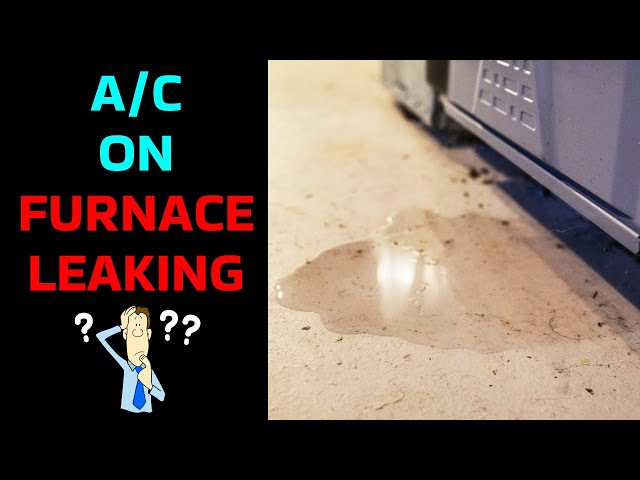
Discovering water dripping from your central air conditioner can be alarming. It’s often a sign that something isn’t working correctly within your system. Ignoring this issue can lead to mold growth, water damage to your home, and decreased cooling efficiency, ultimately costing you more money. This usually happens during peak cooling season when the AC is running constantly. Act quickly to diagnose and resolve the dripping water to prevent further problems.
Common Causes of Central Air Conditioner Dripping Water
Here are some common culprits behind a dripping central AC unit:
- Clogged Condensate Drain Line: This is the most frequent cause. Algae, mold, and debris can build up in the drain line, preventing water from flowing out.
- Dirty Air Filter: A clogged air filter restricts airflow, causing the evaporator coil to freeze. When the ice melts, it drips.
- Frozen Evaporator Coil: Insufficient airflow or low refrigerant can cause the coil to freeze.
- Low Refrigerant Levels: Low refrigerant reduces the coil’s temperature, leading to freezing.
- Broken or Disconnected Drain Pan: The pan beneath the indoor unit can crack or become disconnected, causing water to leak.
- Improper Installation: A poorly installed AC unit can have drainage issues from the start.
- Damaged or Improperly Sloped Drain Line: The drain line needs a slight downward slope to ensure proper drainage. Damage to the line itself can also lead to leaks.
- High Humidity: Extremely humid conditions can overwhelm the condensate system, especially in older units.
Symptoms Checklist
Look for these signs to accurately identify the problem:
- Water dripping from the indoor AC unit.
- Water pooling around the base of the indoor or outdoor unit.
- Musty odors coming from the vents.
- Reduced cooling efficiency.
- Visible ice buildup on the evaporator coil (inside the indoor unit).
- Standing water in the drain pan.
- Wet spots on the ceiling or walls near the indoor unit.
How to Fix Central Air Conditioner Dripping Water Step-by-Step Guide
Follow these steps to troubleshoot and fix the issue:
- Turn Off the AC: Before you begin, turn off your AC unit at the thermostat and the circuit breaker for safety.
- Inspect the Air Filter: Remove the air filter and check if it’s dirty. If it is, clean or replace it with a new one.
- Locate the Condensate Drain Line: This is usually a PVC pipe located near your indoor AC unit. It typically exits the house near the unit.
- Check for Clogs: Look for any visible obstructions in the drain line opening outside.
- Flush the Drain Line: Use a wet/dry vacuum to suck out any clogs. Attach the vacuum hose to the end of the drain line outside and run it for a few minutes. You can also try pouring a cup of distilled white vinegar into the drain line inside, letting it sit for 30 minutes, and then flushing it with water.
- Inspect the Drain Pan: Check the drain pan for cracks, damage, or blockages. Ensure the pan is properly connected.
- Check the Slope of the Drain Line: Make sure the drain line has a downward slope. If it sags, try to reposition it or support it with shims.
- Melt Ice Buildup (If Applicable): If you see ice on the evaporator coil, let it thaw completely. You can speed up the process by turning off the AC and running the fan only.
- Check for Leaks: Once the ice is thawed (if applicable), turn the AC back on and monitor for leaks around the unit and the drain line connections.
- Clean the Area: If there’s mold or mildew, clean the area with a bleach solution (1 part bleach to 10 parts water). Wear gloves and eye protection.
- Run the AC and Monitor: Turn the AC back on and monitor it for a few hours to see if the dripping stops.
- Consider a Condensate Pump: If you live in a humid climate and clogs are frequent, consider installing a condensate pump to help move the water.
- Verify proper sealing: Ensure the areas where the refrigerant lines exit the house are properly sealed to prevent air leaks.
Fix the Issue Without Buying Parts
Many times, you can resolve the dripping water issue without replacing any parts:
- Regular Cleaning: Regularly clean or replace the air filter to ensure proper airflow.
- Preventative Maintenance: Pour a cup of distilled white vinegar down the condensate drain line every few months to prevent clogs.
- Inspect Regularly: Check the drain pan and drain line periodically for any signs of damage or blockages.
- System Reset: After troubleshooting, turn the AC off at the breaker for 30 minutes, then turn it back on. This can sometimes reset the system.
When Replacement Might Be Necessary
If the following situations occur, replacement may be your only option:
- Cracked Drain Pan: If the drain pan is severely cracked or damaged, it may need to be replaced. A new drain pan can range from $50 to $200.
- Refrigerant Leak: If a professional confirms a refrigerant leak, repairing it can be costly, and sometimes replacing the entire unit is more economical. Expect to pay $200$1500+ for a recharge or repair, depending on the size and location of the leak. Replacing the whole system typically costs between $4,000 and $12,000.
- Evaporator Coil Damage: A corroded or heavily damaged evaporator coil may be beyond repair. Replacing it can cost $800-$2,500.
The most common parts that could require replacement (aside from full system replacement) are the condensate pump (if applicable), the drain pan, and potentially the evaporator coil. Always consult with a certified HVAC technician for a proper diagnosis and estimate.
Safety Warning
- Always turn off the power to the AC unit at the circuit breaker before working on it.
- Be careful when using water or cleaning solutions around electrical components.
- Wear gloves and eye protection when handling cleaning solutions or working with potentially moldy areas.
- Avoid breathing in mold spores. Use a mask if necessary.
- If you are uncomfortable working with electrical or mechanical components, contact a qualified HVAC technician.
Tools You May Need
- Wet/dry vacuum
- Distilled white vinegar
- Screwdriver
- Gloves
- Eye protection
- Bleach (for cleaning)
- Bucket
- Plumbers tape
FAQ
Here are some common questions about dripping AC units:
- Q: How often should I clean my AC drain line? A: At least twice a year, or more often if you live in a humid climate.
- Q: Can a dirty air filter cause my AC to leak? A: Yes, a dirty air filter can restrict airflow and cause the evaporator coil to freeze, leading to dripping water.
- Q: Is it safe to run my AC if it’s dripping water? A: It’s best to turn it off until you’ve identified and resolved the issue to prevent further damage.
- Q: When should I call a professional? A: If you’ve tried troubleshooting the issue and it persists, or if you suspect a refrigerant leak, it’s time to call a qualified HVAC technician.
- Q: Is central air conditioner dripping water mean serious problem? A: If left unattended it may turns into serious problems, start fixing the issue by yourself first.
Conclusion
Don’t let a dripping AC unit cause unnecessary stress and expense. By following these troubleshooting steps, you can often identify and resolve the issue yourself. Remember to prioritize safety and perform regular maintenance to keep your AC running smoothly. If you’re unable to fix the problem, don’t hesitate to call a qualified HVAC technician for assistance. Start with these tips first you might save yourself a costly service call!
Youtube Video:
Looking for more useful options?
Check out recommended resources that others find helpful.