Introduction
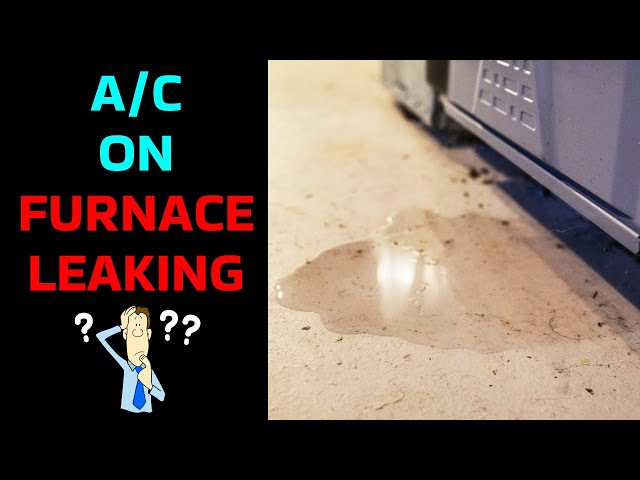
Finding water leaking from your central air conditioner’s outdoor unit, the condenser, can be concerning. While a little condensation is normal, excessive leaking indicates a problem. This issue not only wastes water but can also lead to higher energy bills and potential damage to your unit or surrounding property. It’s common during periods of high humidity when your AC is working hard. Addressing this promptly is crucial to prevent further complications and ensure your AC system functions efficiently.
Common Causes of Central Air Condenser Leaking Water
Here are some of the most frequent culprits behind a leaking central air condenser:
- Condensation: Normal condensation can accumulate, especially on humid days. A small amount of water is usually nothing to worry about.
- Clogged Condensate Drain Line: This line removes condensation from the indoor unit. If clogged with algae, mold, or debris, water can back up and leak from the outdoor unit.
- Dirty Air Filter: A dirty air filter restricts airflow, causing the evaporator coil (indoor) to freeze. When the ice melts, it can overwhelm the drainage system.
- Low Refrigerant: Low refrigerant can also cause the evaporator coil to freeze, leading to excessive water when the ice melts.
- Damaged Drain Pan: The drain pan inside the indoor unit collects condensation. Cracks or damage can cause leaks.
- Incorrect Installation: Improper leveling of the outdoor unit can prevent water from draining correctly.
- Loose Connections: Connections in the refrigerant lines can sometimes leak, though refrigerant leaks are usually accompanied by other symptoms besides water.
- Pump Failure (Condensate Pump): If you have a condensate pump (usually in basements or attics), its failure can cause water to back up.
- Frozen Evaporator Coil: A very frozen coil, whether caused by a dirty filter or refrigerant problems, will produce a lot of water when it thaws.
Symptoms Checklist
Check for these indicators to confirm a potential leak:
- Visible water pooling around the outdoor condenser unit.
- Water stains or dampness on the wall or ceiling near the indoor unit.
- A musty or moldy odor coming from the vents or the AC unit.
- The AC unit is running constantly but not cooling effectively.
- Ice formation on the refrigerant lines or indoor evaporator coil.
- Higher than usual energy bills.
- Dripping sounds from the indoor unit, even when it’s not actively cooling.
How to Fix Central Air Condenser Leaking Water Step-by-Step Guide
Follow these steps to troubleshoot and potentially fix the leak:
- Turn off the AC: Switch off the AC unit at the thermostat and the circuit breaker to ensure safety.
- Inspect the Condenser Area: Examine the ground around the condenser for the source of the leak. Note the location and amount of water.
- Check the Air Filter: Remove and inspect the air filter inside the indoor unit. If it’s dirty, replace it with a new one.
- Locate the Condensate Drain Line: Find the PVC pipe that exits the indoor unit, usually near the foundation of your house. It might be capped or open-ended.
- Clear the Drain Line: Use a wet/dry vacuum to suck out any clogs in the drain line. Attach the hose to the drain line opening and vacuum for several minutes. Be prepared for water to be sucked out. You can also use a stiff wire to break up clogs, but be careful not to puncture the pipe.
- Flush the Drain Line: Pour a cup of white vinegar into the drain line to kill algae and mold. Let it sit for 30 minutes, then flush with water.
- Check the Drain Pan: Locate the drain pan underneath the indoor unit’s evaporator coil. Inspect it for cracks or damage. You might need a flashlight.
- Level the Condenser: Ensure the outdoor condenser unit is level. Use shims to adjust if necessary. A level unit allows proper drainage.
- Inspect Refrigerant Lines (Visually): Look for any obvious signs of damage or corrosion on the refrigerant lines. Do NOT attempt to repair refrigerant lines yourself.
- Check the Condensate Pump (If Applicable): If you have a condensate pump, check if it’s running and emptying the water. Clean the pump if necessary.
- Run the AC (Briefly): Turn the AC back on at the breaker and thermostat for a short period (15-20 minutes). Observe the condenser and drain line for leaks.
- Repeat Cleaning (If Necessary): If the leak persists, repeat the drain line cleaning process.
- Monitor the Situation: Even after cleaning, continue to monitor the area around the condenser for any signs of leaks.
- Document Your Findings: Take notes and pictures of what you find during the troubleshooting process. This will be helpful if you need to call a technician.
Fix the Issue Without Buying Parts
Often, you can resolve a water leak without purchasing new parts:
- Regular Cleaning: Regularly clean or replace your air filter (every 1-3 months).
- Drain Line Maintenance: Flush the condensate drain line with vinegar every few months to prevent clogs.
- Condenser Cleaning: Periodically clean the outdoor condenser coils with a garden hose (gently!) to improve airflow.
- Ensure Proper Airflow: Keep vents open and unobstructed inside your home.
- Monitor Drainage: Regularly check the area around the condenser for signs of leaks.
When Replacement Might Be Necessary
If the following conditions arise, replacement or professional repair might be necessary:
- Cracked Drain Pan: If the drain pan is severely cracked or damaged, it may need to be replaced (cost: $50-$200).
- Refrigerant Leaks: Refrigerant leaks require professional attention (cost: $150-$500+ depending on severity).
- Condensate Pump Failure: If the condensate pump is not working, it may need to be replaced (cost: $80-$250).
- Old or Inefficient System: If your AC unit is over 10-15 years old and experiencing frequent issues, replacement might be the most cost-effective solution (cost: $3,000 – $7,000+ depending on size and efficiency).
Safety Warning
- Turn off Power: Always turn off the power to the AC unit at the breaker before performing any maintenance or troubleshooting.
- Avoid Electrical Components: Do not touch any electrical components with wet hands.
- Be Careful with Chemicals: Use caution when handling cleaning solutions like vinegar.
- Wet Floors: Be aware of slippery floors when water is leaking.
- Do Not Handle Refrigerant: Refrigerant is harmful. Do not attempt to handle or repair refrigerant lines yourself. Call a professional.
Tools You May Need
- Wet/Dry Vacuum
- Screwdriver
- Adjustable Wrench
- Flashlight
- Level
- White Vinegar
- Air filter (replacement)
- Stiff Wire (for clearing drain lines)
FAQ
Here are some frequently asked questions:
- Q: Is it normal for my AC condenser to drip water? A: A little condensation is normal, especially on humid days. However, excessive dripping or pooling water indicates a problem.
- Q: How often should I clean my AC drain line? A: You should clean your AC drain line at least twice a year, or more frequently if you notice clogs or musty odors.
- Q: Can a dirty air filter cause my AC to leak water? A: Yes, a dirty air filter can cause the evaporator coil to freeze, leading to excessive water when the ice melts.
- Q: How do I know if I have a refrigerant leak? A: Signs of a refrigerant leak include poor cooling performance, ice formation on the refrigerant lines, and higher energy bills. You’ll need a professional to diagnose and repair a refrigerant leak.
- Q: What do I do if I can’t clear the drain line myself? A: If you’ve tried clearing the drain line and the leak persists, it’s best to call a qualified HVAC technician.
- Q: What if my outdoor unit is frozen? A: Turn the unit off completely and let it thaw for 24 hours before inspecting the filter, drain and other possible causes.
Conclusion
Troubleshooting a central air condenser leak can seem daunting, but many common issues, like a clogged drain line or a dirty air filter, are easily addressed with a little DIY effort. By following these steps, you can potentially save money and avoid costly repairs. However, if you’re uncomfortable working with electrical appliances or suspect a more serious problem, don’t hesitate to contact a qualified HVAC technician. Prioritizing your safety and the proper functioning of your AC system is always the best approach.
Youtube Video:
Looking for more useful options?
Check out recommended resources that others find helpful.