Introduction
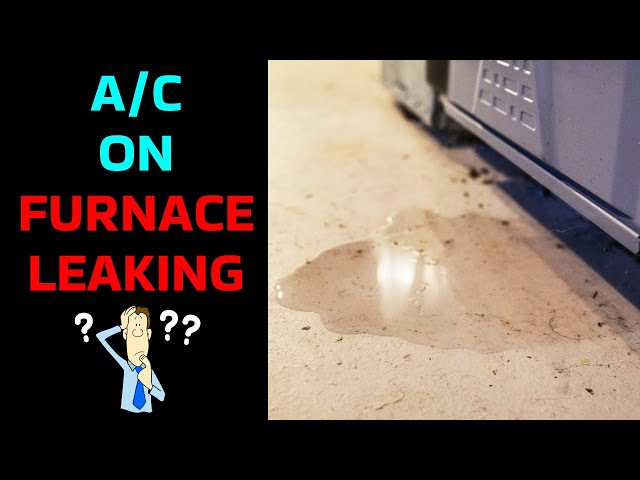
Discovering water leaking from your Carrier AC indoor unit is a common problem that many homeowners face. This isn’t just a minor inconvenience; it can indicate underlying issues that, if left unaddressed, can lead to water damage, mold growth, and reduced AC efficiency. Leaks often occur during peak cooling seasons when the system is working hardest. Addressing this promptly can save you money on repairs and ensure a healthy living environment. Don’t ignore the drips!
Common Causes of carrier ac indoor unit water leaking
There are several reasons why your Carrier AC indoor unit might be leaking water:
- Clogged Condensate Drain Line: This is the most common cause. Dust, algae, and debris can build up, blocking the drain and causing water to back up into the unit.
- Dirty Air Filter: A clogged air filter restricts airflow, causing the evaporator coil to freeze. When the ice melts, it can overwhelm the drain pan.
- Frozen Evaporator Coil: As mentioned above, restricted airflow can cause the coil to freeze. This can also be due to low refrigerant levels.
- Low Refrigerant: Low refrigerant pressure can cause the evaporator coil to become too cold, leading to freezing and subsequent leaking when the ice melts.
- Damaged or Cracked Drain Pan: The drain pan collects the condensate water. If it’s cracked or damaged, it will leak.
- Improper Installation: An improperly installed AC unit might not be level, causing water to overflow the drain pan.
- Condensate Pump Failure: If your system uses a condensate pump to move water uphill, a pump failure can cause water to back up and leak.
- High Humidity Levels: Extremely humid conditions can lead to excessive condensation, potentially overwhelming the drainage system.
Symptoms Checklist
Look for these signs to confirm your AC unit is leaking:
- Water dripping or pooling near the indoor unit.
- Visible moisture or water stains on the ceiling or walls around the unit.
- A musty odor, suggesting mold or mildew growth.
- The AC unit isn’t cooling as effectively as usual.
- Ice forming on the refrigerant lines or the indoor unit.
How to Fix carrier ac indoor unit water leaking Step-by-Step Guide
Follow these steps to troubleshoot and potentially fix the leak:
- Turn Off the AC: For safety, turn off your AC unit at the thermostat and the breaker.
- Inspect the Air Filter: Remove the air filter and check if it’s dirty. If it is, replace it with a new one. A clean filter improves airflow and prevents freezing.
- Locate the Condensate Drain Line: This is usually a PVC pipe located near the indoor unit. It might lead outside or to a drain.
- Check for Clogs: Visually inspect the drain line for any obvious obstructions.
- Flush the Drain Line with Vinegar: Pour 1 cup of white vinegar into the drain line opening. Vinegar helps dissolve algae and mold. Let it sit for 30 minutes.
- Use a Wet/Dry Vacuum: After the vinegar soak, use a wet/dry vacuum to suck out any remaining debris from the drain line. Attach the vacuum hose to the drain line opening and turn it on for a few minutes.
- Check the Drain Pan: Locate the drain pan under the indoor unit. Inspect it for cracks or damage. Clean out any standing water or debris.
- Level the Unit: Use a level to ensure the indoor unit is properly leveled. If it’s not, shim it until it is. An unlevel unit can cause water to overflow the drain pan.
- Melt Ice (if applicable): If you suspect a frozen coil, turn off the AC and let the ice melt completely. You can use a fan to speed up the process.
- Check for Leaks After Melting: Once the ice is melted, turn the AC back on and monitor for leaks.
- Inspect Insulation: Check the refrigerant lines for damaged or missing insulation. Condensation can form on exposed lines, mimicking a leak.
- Clear Debris Outside: If the drain line exits outside, ensure the exit point is clear of leaves, dirt and other obstructions.
- Run the AC and Monitor: After performing these steps, turn the AC back on and closely monitor for any signs of leaks.
- Call a Professional if Needed: If the leaking persists after trying these steps, it’s time to call a qualified HVAC technician.
Fix the Issue Without Buying Parts
Many times, a leaking AC unit can be resolved without purchasing new parts:
- Reset: Simply turning off the unit for an extended period can sometimes resolve minor issues.
- Cleaning: Regular cleaning of the air filter and drain line can prevent future clogs and leaks.
- Inspection: Regularly inspect the unit for any signs of damage or leaks. Early detection can prevent more significant problems.
- Maintenance Basics: Schedule annual maintenance with an HVAC professional to keep your unit in good working order.
When Replacement Might Be Necessary
While most leaks can be fixed, sometimes replacement is the only option. A cracked drain pan ($50-$200), a failing condensate pump ($100-$300), or a severely corroded evaporator coil (costly, potentially $500-$1500 installed) may require replacement. If the indoor unit itself is very old or damaged beyond repair, replacing the entire unit ($1500-$4000 installed) might be more cost-effective in the long run.
Safety Warning
Follow these safety precautions when troubleshooting your AC unit:
- Always turn off the power to the AC unit before performing any maintenance or repairs.
- Be careful when working with water and electricity. Avoid wet floors.
- If you’re not comfortable performing any of these steps, call a qualified HVAC technician.
Tools You May Need
Here’s a list of tools that might be helpful for troubleshooting your AC leak:
- Screwdriver (Phillips and flathead)
- Wet/dry vacuum
- White vinegar
- Air filter
- Level
- Flashlight
- Gloves
FAQ
Here are some frequently asked questions about AC unit leaks:
- Q: Why is my AC leaking even after I cleaned the drain line? A: There might be a crack in the drain pan, a frozen coil, or low refrigerant.
- Q: How often should I clean my AC drain line? A: At least twice a year, ideally before and after the cooling season.
- Q: Can low refrigerant cause a leak? A: Yes, it can cause the evaporator coil to freeze, leading to melting and leaking water.
- Q: Is it safe to run my AC if it’s leaking? A: No, it’s best to turn it off to prevent further damage and potential electrical hazards.
Conclusion
Discovering a water leak from your Carrier AC indoor unit can be alarming, but with this guide, you’re equipped to troubleshoot and potentially resolve the issue yourself. Start with the simple steps like cleaning the drain line and replacing the air filter. If the problem persists, don’t hesitate to call a qualified HVAC technician. By taking action quickly, you can prevent further damage and ensure your AC unit is running efficiently.
Youtube Video:
Looking for more useful options?
Check out recommended resources that others find helpful.