Introduction
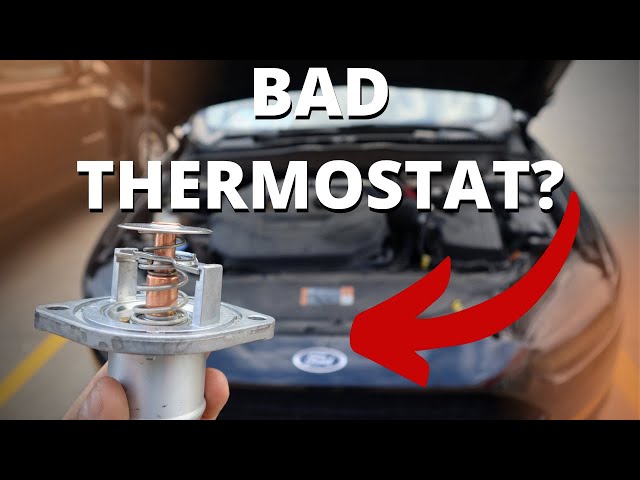
Is your car’s AC blowing hot air when it should be cold? Or maybe it’s switching between hot and cold seemingly at random? A faulty AC thermostat could be the culprit. The thermostat controls the temperature inside your car by regulating the flow of refrigerant. When it malfunctions, it can cause discomfort, especially during hot weather. Addressing this promptly prevents further damage to the AC system and ensures a comfortable driving experience.
Common Causes of Car AC Thermostat Problems
Several factors can cause your car’s AC thermostat to fail. Here are some common reasons:
- Dirty Thermostat: Dust and debris can accumulate on the thermostat, affecting its ability to read the temperature accurately.
- Electrical Issues: Damaged wiring, loose connections, or corrosion can disrupt the thermostat’s signal.
- Faulty Sensor: The temperature sensor inside the thermostat might be malfunctioning, providing incorrect readings.
- Refrigerant Leaks: Low refrigerant levels can indirectly affect the thermostat’s performance as the system struggles to cool.
- Clogged Condenser: A blocked condenser restricts airflow, leading to overheating and inaccurate thermostat readings.
- Compressor Problems: A failing AC compressor can put extra strain on the system, affecting thermostat function.
- Vacuum Leaks: Vacuum leaks can cause the blend doors to malfunction, affecting temperature control.
- Software Glitches: In modern cars, software controlling the AC system can sometimes experience glitches.
Symptoms Checklist
Look out for these signs indicating a potential thermostat problem:
- AC blows hot air even when set to cold.
- AC cycles between hot and cold air intermittently.
- AC only works on certain settings (e.g., only on high).
- The temperature doesn’t match the setting on the control panel.
- Unusual noises from the AC system.
- AC works fine initially but then stops cooling.
- The AC system is completely unresponsive.
How to Fix Car AC Thermostat Problems Step-by-Step Guide
Follow these steps to troubleshoot and potentially fix your car’s AC thermostat:
- Check the Basics: Ensure your car’s engine is running, and the AC is turned on. Make sure the blower fan is working.
- Inspect the Thermostat Controls: Make sure the temperature control knob is set to the coldest setting. Verify that the mode selector (e.g., AC, Max AC, Vent) is properly selected.
- Locate the Thermostat: Consult your car’s owner’s manual to find the thermostat location. It’s often behind the dashboard or near the evaporator core.
- Visual Inspection: Examine the thermostat and its wiring for any visible damage, loose connections, or corrosion.
- Clean the Thermostat: Use a soft brush or a vacuum cleaner with a brush attachment to remove any dust or debris from the thermostat.
- Check the Wiring: Carefully inspect the wiring connected to the thermostat. Make sure all connections are secure and free from corrosion. Gently wiggle the wires to check for loose connections.
- Reset the System (If Applicable): Some cars have a reset procedure for the AC system. Consult your owner’s manual for instructions. This might involve disconnecting the battery for a short period.
- Check Fuses and Relays: Locate the fuses and relays related to the AC system (refer to your owner’s manual). Inspect them for damage or blown fuses. Replace any faulty fuses or relays.
- Check Refrigerant Level (Visual): Look at the sight glass (if your car has one) with the AC running. Bubbles indicate low refrigerant. A professional is needed to recharge the system safely.
- Cabin Air Filter: A clogged cabin air filter restricts airflow across the evaporator core. Check and replace this filter.
- Inspect the Condenser: The condenser is typically in front of the radiator. Check if debris is blocking airflow. Clean with a hose if needed.
Fix the Issue Without Buying Parts
Before considering replacement, try these free solutions:
- Reset the System: As mentioned before, try resetting the AC system according to your car’s manual.
- Cleaning: Thoroughly clean the thermostat and its surrounding area to remove any dust or debris.
- Wiring Inspection: Carefully inspect and secure any loose wiring connections.
- Maintenance: Regularly check and replace your cabin air filter to ensure proper airflow.
When Replacement Might Be Necessary
If the above steps don’t resolve the issue, the thermostat itself might be faulty and require replacement. Replacement costs can range from $50 to $200 USD, including the part and labor. Often, the temperature sensor within the thermostat is what fails.
Safety Warning
- Always disconnect the car’s battery before working on any electrical components.
- Avoid using excessive force when handling the thermostat or its wiring.
- If you are not comfortable working with electrical systems, consult a qualified mechanic.
- Wear safety glasses to protect your eyes from debris.
Tools You May Need
- Screwdrivers (Phillips and flathead)
- Socket set
- Pliers
- Vacuum cleaner with brush attachment
- Soft brush
- Multimeter (optional, for testing electrical connections)
FAQ
Here are some common questions about car AC thermostat problems:
- Q: My AC blows cold air for a few minutes, then turns hot. What could be the problem? A: This could be a sign of a failing thermostat or a low refrigerant level.
- Q: How do I know if my AC thermostat is bad? A: If the AC temperature doesn’t match the settings or the AC cycles between hot and cold, the thermostat is likely faulty.
- Q: Can I replace the AC thermostat myself? A: Yes, if you have basic mechanical skills and the necessary tools. Follow the steps in this guide carefully.
- Q: What does an AC thermostat do? A: The thermostat regulates the temperature inside your car by controlling the flow of refrigerant in the AC system.
- Q: Where is the AC thermostat located? A: Typically behind the dashboard, near the evaporator core. Consult your owner’s manual.
Conclusion
Troubleshooting a car AC thermostat problem can seem daunting, but by following these steps, you can often diagnose and potentially fix the issue yourself. Remember to start with the easy solutions and work your way through the more complex ones. If you’re unsure or uncomfortable with any step, don’t hesitate to seek professional help from a qualified mechanic. Fixing it yourself can save you money, but only if youre confident in your abilities.
Youtube Video:
Looking for more useful options?
Check out recommended resources that others find helpful.