Introduction
Finding that your camper fridge isn’t keeping things cold, while the freezer is working perfectly, can be a real headache, especially when you’re on the road. It means spoiled food, wasted money, and a lot of inconvenience. This problem is fairly common in RV refrigerators, and it’s important to address it quickly. Letting it go can lead to more significant repairs and could even force you to cut your trip short. Let’s get to the bottom of this so you can get back to enjoying your adventure.
Common Causes of camper fridge not getting cold but freezer is
There are several reasons why your camper fridge might not be cooling while the freezer is fine:
- Airflow Obstruction: Blocked vents inside the fridge can prevent cold air from circulating properly.
- Frozen Cooling Fins: Excessive frost build-up on the cooling fins can act as insulation.
- Door Seal Issues: A damaged or dirty door seal lets warm air in, making it hard to maintain a cool temperature.
- Leveling Problems: RV refrigerators need to be relatively level to function correctly. Unevenness can disrupt the cooling process.
- Ventilation Blockage Behind the Fridge: The back of the fridge needs airflow to dissipate heat. Obstructions outside the fridge, like debris, can hamper this.
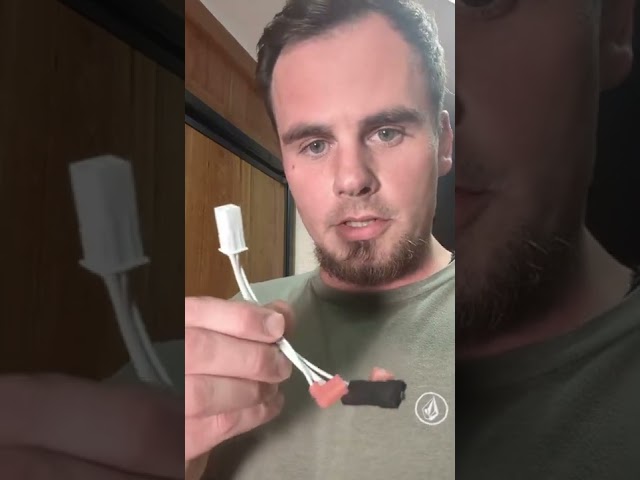
- Thermistor Malfunction: The thermistor regulates the fridge’s temperature. If it’s faulty, it might not be telling the fridge to cool properly.
- Cooling Unit Issues: While the freezer section works, a partial blockage or inefficiency in the cooling unit can affect the fridge compartment more severely.
- Improper Setting: Ensure the fridge is set to the correct cooling level.
Symptoms Checklist
Check these points to confirm the issue:
- Freezer compartment is very cold and freezing items.
- Fridge compartment is noticeably warmer than usual, not maintaining proper food storage temperature.
- Food in the fridge spoils faster than it should.
- You might notice excessive frost buildup in the freezer.
- The fridge may be running constantly, but still not cooling effectively.
How to Fix camper fridge not getting cold but freezer is Step-by-Step Guide
Follow these steps to troubleshoot the issue:
- Check the Fridge Thermostat: Make sure the thermostat is set to the correct level (usually a middle setting). Try turning it higher to see if it makes a difference.
- Inspect Air Vents Inside the Fridge: Locate the vents that allow cold air from the freezer to circulate into the fridge. Ensure they are not blocked by food items.
- Defrost the Freezer: If there’s excessive frost buildup in the freezer, manually defrost it. Turn off the fridge and let the frost melt. Use towels to absorb the water.
- Clean the Door Seals: Use a damp cloth to clean the door seals. Make sure there’s no dirt or debris preventing a tight seal.
- Check Fridge Leveling: Use a bubble level to ensure the fridge is relatively level. Adjust the camper’s leveling jacks or add shims under the fridge if needed.
- Inspect Ventilation Behind the Fridge: Access the back of the fridge (usually accessible from an exterior vent). Check for any obstructions like cobwebs, dust, or debris blocking airflow. Clean as necessary.
- Test the Thermistor (If Possible): The thermistor is usually located near the cooling fins. (CAUTION: If you are not familiar with testing electrical components, skip this step!) Refer to your fridge’s manual to find the thermistor and how to test it with a multimeter. A faulty thermistor might need professional attention.
- Check the Cooling Fins: If the cooling fins are heavily iced up, it indicates a defrosting problem. Manually defrost the fridge to clear the ice.
- Ensure Proper Loading: Avoid over-packing the fridge. Overcrowding can restrict airflow and prevent even cooling.
- Allow Adequate Cooling Time: After making any adjustments, give the fridge at least 24 hours to stabilize and reach the desired temperature.
- Try a Reset: Turn the fridge off, wait a few minutes, and turn it back on. This can sometimes reset the system and resolve minor issues.
- Check for Obstructions Outside the Vents: Debris, mud, or insects can build nests around the outside vents restricting airflow to the back of the unit. Check and remove anything blocking the vents.
Fix the Issue Without Buying Parts
Often, you can resolve the issue without spending money:
- Reset: Simple power cycling of the fridge to clear potential errors.
- Cleaning: Remove obstructions from vents, door seals, and around the exterior of the fridge.
- Recalibration: Sometimes the thermostat needs to be adjusted.
- Inspection: Visually check for any damaged or disconnected wires (safely after unplugging, of course!).
- Maintenance: Regular cleaning of the vents and fridge interior can prevent future issues.
When Replacement Might Be Necessary
If troubleshooting doesn’t fix the problem, you might be facing a more serious issue. A cooling unit failure is a costly repair, often making replacement a better option. Thermistors can sometimes fail, requiring replacement (around $20-$50). Complete fridge replacement can range from $500 to $2000, depending on the size and features.
Safety Warning
- Always disconnect the power supply (unplug the fridge or disconnect the battery) before performing any repairs or inspections.
- Avoid working with electrical components if you’re not comfortable. Seek professional help.
- Be careful when handling tools to prevent injuries.
- Ensure the area around the fridge is dry to avoid electric shock hazards.
Tools You May Need
- Screwdriver (Phillips and flathead)
- Bubble Level
- Multimeter (for testing electrical components – optional)
- Vacuum cleaner with hose attachment
- Soft cloths and cleaning supplies
- Wrench/socket set
FAQ
Here are some common questions and answers:
- Q: Why is my freezer freezing, but my fridge isn’t cold enough? A: This often indicates an airflow problem between the freezer and fridge compartments. Check for blocked vents or excessive frost.
- Q: How long should I wait for the fridge to cool down after defrosting? A: Allow at least 24 hours for the fridge to reach its optimal temperature.
- Q: What temperature should my camper fridge be? A: Ideally, your fridge should be between 35-40F (2-4C).
- Q: Can leveling really affect my fridge’s performance? A: Yes, RV refrigerators rely on gravity for their cooling process. Being significantly out of level can disrupt this process.
Conclusion
Troubleshooting a camper fridge that isn’t cooling while the freezer works can seem daunting, but by following these steps, you can often identify and fix the problem yourself. Start with the simple checks and gradually move towards the more complex ones. If you’ve exhausted all the troubleshooting steps and the issue persists, it might be time to consult a qualified RV technician. Good luck, and happy travels!
Youtube Video:
Looking for more useful options?
Check out recommended resources that others find helpful.