Introduction
Is your Bush washing machine suddenly sounding like a jet engine taking off during the spin cycle? Excessive noise while spinning is a common problem and, while alarming, often has a fix. It’s important to address this quickly. Ignoring it can lead to further damage and potentially a complete breakdown of your washing machine. The sooner you identify the cause, the better your chances of a simple, cost-effective solution.
Common Causes of bush washing machine noisy when spinning
Several things can make your Bush washing machine noisy when spinning:
- Unbalanced Load: Clothes clumped on one side cause the drum to wobble.
- Loose Items: Coins, buttons, or other small objects trapped in the drum or between the inner and outer tubs.
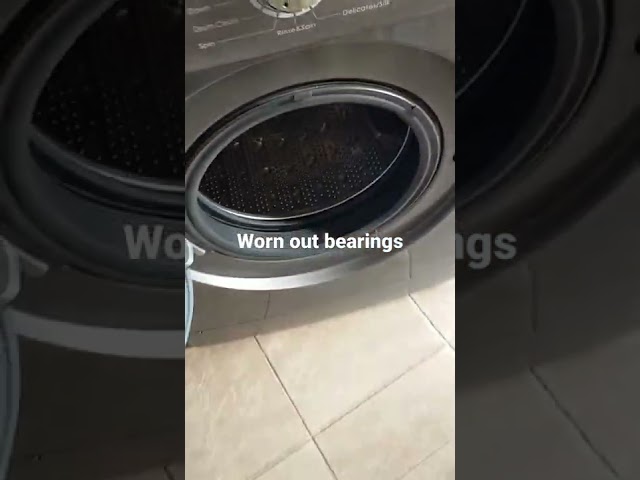
- Worn Drum Bearings: These bearings allow the drum to spin smoothly. When worn, they cause a grinding or rumbling noise.
- Faulty Drum Spider: This component connects the drum to the motor shaft and can crack or break.
- Worn Suspension Springs or Dampers: These components help to absorb vibrations. When damaged, they allow the drum to bounce excessively.
- Motor Problems: A failing motor can generate unusual noises.
- Pump Issues: Although more common during draining, pump issues can cause a roaring noise during spinning if partially blocked.
- Foreign Object in the Pump: Small items may pass through and become trapped in the pump.
Symptoms Checklist
Here are some indicators to help you pinpoint the problem:
- Loud banging or thumping noise during the spin cycle.
- Grinding or rumbling sound while spinning.
- Excessive vibration or shaking of the washing machine.
- Noise only occurs during the spin cycle.
- The machine is louder than it used to be.
- Clothes are still very wet after the spin cycle (potentially indicating a slow spin due to the noise issue).
How to Fix bush washing machine noisy when spinning Step-by-Step Guide
Follow these steps to troubleshoot the noise:
- Unplug the Washing Machine: Safety first! Disconnect the machine from the power outlet.
- Check for Unbalanced Load: Open the washing machine and redistribute the clothes evenly around the drum. Try another spin cycle.
- Inspect the Drum for Loose Items: Carefully feel around the inside of the drum for any trapped objects. Check the rubber seal around the door.
- Check the Drain Pump Filter: Locate the drain pump filter (usually at the bottom front of the machine, behind a small access panel). Carefully remove the filter and clean out any debris. Refer to your user manual.
- Inspect Suspension Components (Advanced): If you’re comfortable, carefully tilt the washing machine back (with help!) to inspect the suspension springs and dampers. Look for any signs of damage or wear. This is best left to a professional if you are not comfortable.
- Test for Drum Bearing Wear (Advanced): With the machine unplugged, try to spin the drum by hand. If it feels rough or makes a grinding noise, the bearings may be worn. This is best left to a professional if you are not comfortable.
- Inspect the Drum Spider (Advanced): This requires disassembly of the washing machine. Look for cracks or breaks in the spider arm that connects the drum to the motor. This is best left to a professional if you are not comfortable.
- Check the Motor (Advanced): Listen closely to the motor during a short spin cycle (only if safe to do so after previous checks). Unusual noises might indicate a motor problem. This is best left to a professional if you are not comfortable.
- Level the Washing Machine: Use a level to ensure the washing machine is sitting evenly on the floor. Adjust the leveling feet as needed.
- Run an Empty Wash Cycle: Sometimes residue buildup can cause noise. Run an empty wash cycle with a washing machine cleaner.
- Ensure Proper Clearance: Make sure the washing machine is not touching any walls or other objects, as this can amplify vibrations.
Fix the Issue Without Buying Parts
Before considering replacements, try these free methods:
- Reset the Washing Machine: Unplug the machine for 5-10 minutes, then plug it back in. This can sometimes clear minor electronic glitches.
- Thorough Cleaning: Clean the drum, detergent dispenser, and rubber door seal to remove any buildup.
- Regular Maintenance: Periodically clean the drain pump filter and run an empty wash cycle with a cleaner.
- Inspection Tips: Regularly check the hoses for leaks and the power cord for damage.
When Replacement Might Be Necessary
If the noise persists after trying the above steps, and especially if you’ve identified worn drum bearings, a damaged drum spider, or a faulty motor, replacement of these parts might be necessary. Drum bearings replacement can range from $100-$300 depending on labor costs. A motor replacement can range from $150 – $400. The drum spider replacement (less common) is generally more expensive. Remember to get estimates from qualified repair technicians before proceeding.
Safety Warning
Follow these safety precautions:
- Always unplug the washing machine before attempting any repairs.
- Be careful when tilting the washing machine, as it can be heavy. Get assistance if needed.
- Avoid working on electrical components if you are not qualified.
- Keep the area around the washing machine dry to prevent electric shock.
Tools You May Need
Here’s a list of helpful tools:
- Screwdrivers (Phillips head and flat head)
- Pliers
- Adjustable wrench
- Level
- Gloves
- Towels
FAQ
Here are some frequently asked questions:
- Q: Why is my washing machine so loud only during the spin cycle? A: This often indicates a problem related to the drum bearings or suspension components, as these are under the most stress during spinning.
- Q: Can I still use my washing machine if it’s noisy? A: It’s not recommended. Continuing to use a noisy machine can cause further damage and potentially lead to a complete breakdown.
- Q: How often should I clean the drain pump filter? A: Ideally, clean it every 1-3 months, or more frequently if you wash a lot of heavily soiled clothes.
- Q: My washing machine is shaking violently. Is this related to the noise? A: Yes, excessive shaking is often a symptom of an unbalanced load, worn suspension components, or a problem with the drum bearings.
Conclusion
Troubleshooting a noisy Bush washing machine can seem daunting, but by following these steps, you can often identify and resolve the problem yourself. Remember to prioritize safety and don’t hesitate to seek professional help if you’re uncomfortable with any of the steps. Taking a proactive approach to maintenance can help keep your washing machine running smoothly for years to come!
Youtube Video:
Looking for more useful options?
Check out recommended resources that others find helpful.