Introduction
Finding your Amana fridge not cooling properly is a common household headache. It means your food is at risk of spoiling, leading to wasted groceries and potential health concerns. This issue often arises due to simple problems like a blocked vent or a faulty door seal, but can also signal more serious internal malfunctions. The good news is many of these issues can be diagnosed and corrected at home, saving you time and money. Let’s get started before that milk turns sour!
Common Causes of Amana Fridge Not Getting Cold
Here are some of the most frequent reasons why your Amana refrigerator might not be cooling as it should:
- Dirty Condenser Coils: Dust and debris on the coils hinder heat release, reducing cooling efficiency.
- Blocked Vents: Restricted airflow between the freezer and fridge compartments impacts temperature.
- Faulty Door Seal: A damaged or dirty seal allows warm air to enter, increasing the fridge’s workload.
- Incorrect Temperature Settings: The thermostat may be set too high or accidentally adjusted.
- Overcrowded Fridge: Too many items restrict airflow and can prevent proper cooling.
- Defrost System Problems: Issues with the defrost timer, heater, or thermostat can cause ice buildup, inhibiting cooling.
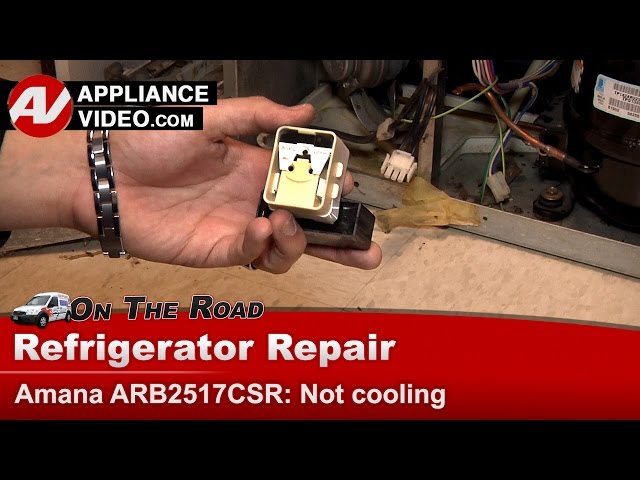
- Failed Start Relay: This small device gives the compressor the initial jolt of power. When it fails, the compressor may not start.
- Condenser Fan Motor Issues: The condenser fan cools the condenser coils. If the motor is faulty, the coils can’t properly release heat.
Symptoms Checklist
Confirm the issue with these key indicators:
- The refrigerator compartment feels warmer than usual.
- Food items are spoiling faster than expected.
- The freezer is working correctly, but the fridge is not.
- You hear the compressor running, but the fridge isn’t cooling.
- Ice buildup is visible in the freezer or around the vents.
- The refrigerator is running constantly.
How to Fix Amana Fridge Not Getting Cold Step-by-Step Guide
Follow these steps to troubleshoot and potentially fix the cooling problem:
- Check the Temperature Settings: Ensure the thermostat is set to the recommended temperature (usually around 37F or 3C).
- Clean the Condenser Coils: Unplug the refrigerator. Locate the coils (usually on the back or bottom). Use a vacuum cleaner with a brush attachment to remove dust and debris.
- Inspect the Door Seal: Check for cracks, tears, or gaps in the door seal. Clean the seal with warm, soapy water to remove dirt and grime.
- Clear Blocked Vents: Ensure that the vents between the freezer and fridge compartments are not blocked by food items. Rearrange items as needed.
- Defrost the Refrigerator: If there’s excessive ice buildup, manually defrost the fridge. Unplug it and leave the door open until the ice melts completely.
- Reduce Overcrowding: Remove excess items to allow for better airflow. Consider storing some items in a cooler temporarily.
- Check the Condenser Fan: Locate the condenser fan (usually near the compressor on the back). Make sure it’s spinning freely. If it’s not, it may be blocked or the motor may be faulty.
- Listen to the Compressor: The compressor is usually located at the bottom back of the fridge. Listen if it’s running. If it is running constantly with no cooling, then there’s a high chance that there is a leak in the system, which requires professional attention.
- Check the Start Relay: The start relay is a small component attached to the side of the compressor. Unplug the fridge, remove the relay, and shake it. If it rattles, it may be faulty.
- Reset the Fridge: Unplug the refrigerator for 10 minutes, then plug it back in. This can sometimes reset the system and resolve minor issues.
- Check the Air Damper: The air damper controls the amount of cold air that enters the refrigerator from the freezer. If it’s stuck closed, the refrigerator won’t get cold. Check for blockage and manually open the damper if needed.
Fix the Issue Without Buying Parts
Before resorting to replacement parts, try these free and simple solutions:
- Regular Cleaning: Clean the condenser coils and door seals every 6 months to maintain optimal efficiency.
- Proper Ventilation: Ensure proper airflow by not overcrowding the fridge and keeping vents clear.
- Temperature Monitoring: Regularly check the temperature with a thermometer to ensure it’s within the recommended range. Adjust the thermostat as needed.
When Replacement Might Be Necessary
If the issue persists after trying the above steps, a failing component might be the culprit. Common parts that fail include the compressor ($200-$500), the defrost heater ($50-$150), or the thermostat ($30-$100). If you are not comfortable with these repairs, call a qualified appliance technician for assistance.
Safety Warning
- Always unplug the refrigerator before performing any troubleshooting or repairs.
- Avoid working on electrical components with wet hands or on wet surfaces.
- If you’re unsure about any step, consult a qualified appliance technician.
Tools You May Need
- Screwdriver (Phillips and flathead)
- Vacuum cleaner with brush attachment
- Warm water and mild soap
- Thermometer
- Multimeter (optional, for testing electrical components)
FAQ
Here are some frequently asked questions:
- Q: Why is my freezer cold but my fridge is warm? A: This is usually due to blocked vents between the freezer and fridge compartments. Clear any obstructions.
- Q: How often should I clean the condenser coils? A: Clean them every 6 months to maintain optimal efficiency.
- Q: What temperature should my refrigerator be set to? A: The recommended temperature is around 37F (3C).
- Q: My fridge is running constantly. Is this normal? A: No, it indicates a problem, such as dirty condenser coils, a faulty door seal, or a malfunctioning component.
- Q: How do I know if my door seal is bad? A: Inspect the seal for cracks, tears, or gaps. You can also test it by closing the door on a dollar bill. If you can easily pull the bill out, the seal may need to be replaced.
Conclusion
Don’t let a warm Amana fridge spoil your groceries! By following these steps, you can often diagnose and fix the problem yourself, saving time and money. If you’ve exhausted all DIY options and your fridge is still not cooling, it might be time to call a qualified appliance technician for professional assistance. Good luck!
Youtube Video:
Looking for more useful options?
Check out recommended resources that others find helpful.