Introduction
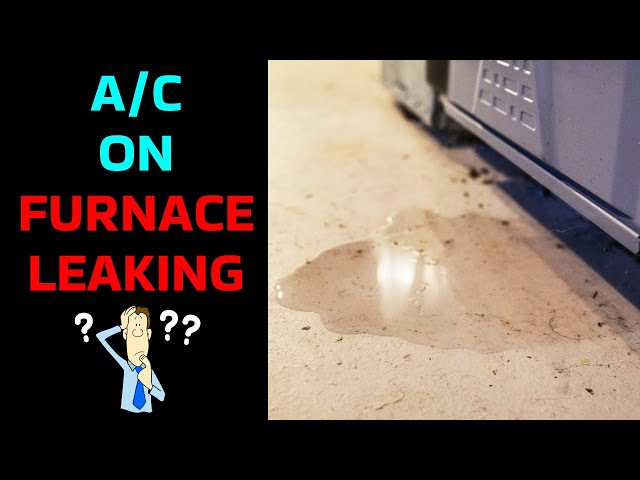
Discovering that your air conditioner isn’t working and is leaking water can be a frustrating experience, especially during hot weather. Not only does it leave you without cooling, but the leaking water can damage your floors and walls if left unchecked. This issue is common when the weather is hot and humid, causing your AC to work harder. Addressing this problem quickly is important to prevent further damage to your home and to restore your comfort.
Common Causes of Air Conditioner Not Working and Water Leaking
Several factors can contribute to an air conditioner malfunctioning and leaking water:
- Clogged Drain Line: This is the most common culprit. Condensation builds up, and if the drain line is blocked, the water has nowhere to go but out of the unit.
- Dirty Air Filter: A dirty filter restricts airflow, causing the evaporator coil to freeze. When the ice melts, it overflows.
- Low Refrigerant: Low refrigerant can also cause the evaporator coil to freeze, leading to the same issue as a dirty filter.
- Damaged Drain Pan: The drain pan collects condensation. If it’s cracked or rusty, it will leak.
- Improper Installation: An incorrectly installed AC unit might not be properly tilted for drainage.
- High Humidity: Extremely humid conditions can overload the AC’s drainage system.
- Broken Condensate Pump: Some units use a pump to move water. If it breaks, water can back up and leak.
- Frozen Evaporator Coil: In addition to low refrigerant or dirty filter, low airflow can also cause freezing.
Symptoms Checklist
Here’s a checklist to help you pinpoint the problem:
- AC is not cooling the room.
- Water is leaking from the front, back, or sides of the unit.
- You hear gurgling or bubbling sounds coming from the AC.
- The air filter is visibly dirty.
- Ice is visible on the coils inside the unit.
- The area around the AC is damp or shows water damage.
- The fan isn’t blowing as strongly as usual.
How to Fix Air Conditioner Not Working and Water Leaking Step-by-Step Guide
Follow these steps to troubleshoot and potentially fix the issue:
- Turn Off the AC: Disconnect the power to the unit by unplugging it or switching off the breaker. Safety first!
- Inspect the Air Filter: Remove the air filter and check if it’s dirty. If so, clean or replace it.
- Clean the Air Filter: Wash reusable filters with mild soap and water. Allow to dry completely before reinstalling. Replace disposable filters.
- Check the Drain Pan: Look for cracks or rust in the drain pan. If it’s damaged, it will likely need replacement.
- Locate the Drain Line: Find the drain line, usually a small pipe that exits the AC unit.
- Clear the Drain Line: Use a wet/dry vacuum to suck out any clogs from the outside end of the drain line. Alternatively, use a stiff wire to carefully break up any blockages.
- Flush the Drain Line: Pour a cup of diluted bleach or vinegar into the drain line to kill algae and prevent future clogs. Let it sit for 30 minutes, then flush with water.
- Check for Ice Buildup: If you see ice on the coils, let the AC unit thaw completely. This might take several hours. Ensure airflow is restored after thawing.
- Inspect for Proper Installation: Make sure the AC unit is slightly tilted outwards to allow for proper drainage.
- Reassemble and Test: Once everything is clean and clear, reassemble the AC unit and plug it back in. Turn it on and monitor for leaks and cooling performance.
- Monitor Performance: Keep an eye on the unit over the next few hours to ensure the leak is gone and it’s cooling properly.
- Check Condensate Pump (If Applicable): If your unit has a condensate pump, check if it’s working properly. Listen for a humming noise when the AC is running. If it’s not working, you may need to consult a technician.
Fix the Issue Without Buying Parts
Before considering replacement parts, try these free methods:
- Reset: Unplug the AC for 15-20 minutes to reset the system.
- Cleaning: Regularly clean the air filter and surrounding areas to improve airflow.
- Recalibration (If Applicable): Some AC units have electronic controls that might need recalibration. Check the user manual for instructions.
- Inspection Tips: Periodically inspect the drain line and pan for any signs of clogs or damage.
- Maintenance Basics: Keep the area around the AC unit clear of obstructions to ensure proper airflow.
When Replacement Might Be Necessary
If the drain pan is severely damaged, the condensate pump is broken, or the refrigerant is consistently low despite repairs, replacement might be necessary. A new window AC unit can range from $150 to $500 depending on the size and features. Commonly failing parts include the condensate pump ($30-$80) and the drain pan ($20-$50), but professional installation is highly recommended for refrigerant issues.
Safety Warning
- Always unplug the AC unit before performing any maintenance or repairs.
- Avoid working on electrical components if you are not comfortable with electrical work.
- Be careful when handling water to avoid slips and falls.
- Do not attempt to repair refrigerant leaks yourself; contact a qualified technician.
Tools You May Need
- Screwdriver (Phillips and flathead)
- Wet/dry vacuum
- Stiff wire or pipe cleaner
- Bucket
- Mild soap and water
- Bleach or vinegar
FAQ
Here are some frequently asked questions:
-
Q: Why is my AC leaking even after I cleaned the filter?
A: The drain line might still be clogged, or the drain pan could be damaged. Check both. -
Q: How often should I clean my AC filter?
A: At least once a month, or more often if you have pets or allergies. -
Q: Can I use any type of cleaner to clear the drain line?
A: Diluted bleach or vinegar are recommended. Avoid harsh chemicals that could damage the unit. -
Q: What if I can’t find the drain line?
A: Consult your AC unit’s manual or search online for your specific model.
Conclusion
Dealing with an air conditioner that’s not working and leaking water can be a hassle, but many of the issues can be resolved with a bit of troubleshooting. By following these steps, you can often fix the problem yourself and avoid costly repairs. If you’ve tried these steps and are still experiencing issues, it might be time to call a qualified HVAC technician. However, don’t be discouraged! Attempting these fixes yourself can save you time and money.
Youtube Video:
Looking for more useful options?
Check out recommended resources that others find helpful.