Introduction
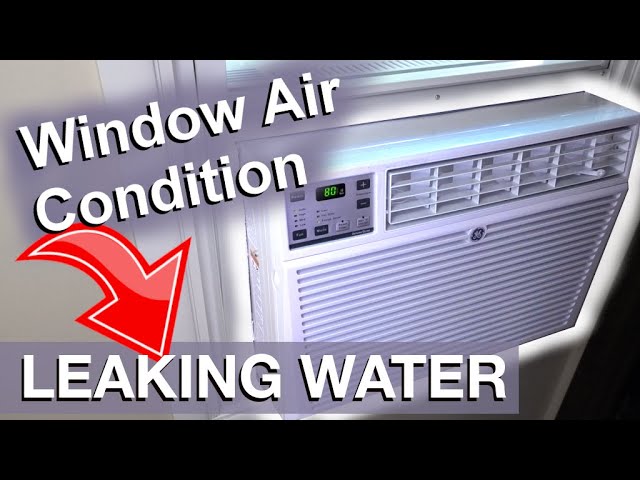
Is your window air conditioner dripping water, either inside your home or outside? This is a common problem, but it shouldn’t be ignored. A dripping AC unit can lead to water damage on your walls, floors, or even attract pests. Ignoring the issue can also cause your AC to work harder, increasing your energy bills. Identifying the cause and addressing it promptly can save you time, money, and prevent more significant problems down the road.
Common Causes of ac window unit dripping water
Several things can cause your AC unit to drip water. Here are some of the most frequent culprits:
- Clogged Drain: This is the most common reason. Condensation is supposed to drain outside, but debris can block the drain.
- Dirty Air Filter: A dirty filter restricts airflow, causing the evaporator coil to freeze. When it melts, it drips excessively.
- Incorrect Installation Angle: Window AC units should be slightly tilted downward toward the outside to facilitate drainage.
- Low Refrigerant: Although less common, low refrigerant can cause the evaporator coil to freeze, leading to excessive dripping.
- Damaged Drain Pan: The drain pan collects condensation. If it’s cracked or damaged, water will leak.
- High Humidity: Extremely humid conditions can overwhelm the drainage system, causing some dripping.
- Dirty Evaporator Coils: Dirt and grime on the coils can prevent proper water evaporation, leading to more dripping.
- Ice Build-Up: Freezing of the coils turns into water when melts
- Improper seal with window
Symptoms Checklist
Use this checklist to accurately identify the issue:
- Water dripping inside the room.
- Water dripping excessively outside the unit.
- Visible ice formation on the cooling fins.
- Unusual noises coming from the AC unit.
- The AC unit is not cooling as effectively as usual.
- Dampness or water stains around the unit or on the wall below.
How to Fix ac window unit dripping water Step-by-Step Guide
Follow these steps to troubleshoot and fix your dripping AC unit:
- Unplug the AC Unit: Before you start, disconnect the power cord from the outlet for safety.
- Inspect the Air Filter: Remove the air filter and check if it’s dirty. If so, wash or replace it.
- Check the Installation Angle: Make sure the unit is tilted slightly downward toward the outside. Use a level to check.
- Clean the Drain: Locate the drain hole (usually on the back of the unit, outside). Use a stiff wire or pipe cleaner to clear any blockage.
- Inspect the Drain Pan: If accessible, check the drain pan for cracks or damage.
- Clean the Evaporator Coils: Gently vacuum the coils with a brush attachment.
- Melt any Ice Build-Up: If you see ice, turn the unit off and let it thaw completely. A fan can help speed up the process.
- Check Window Seal: Make sure your AC unit is properly sealed in your window to avoid leakage from outside
- Check Weather Strip for damage
- Reassemble and Test: Put everything back together, plug the unit back in, and monitor it for dripping.
- Observe: Let the unit run for an hour or so to see if the dripping has stopped.
- Check the fan motor: Make sure fan motor is running, If not, it will cause the coils to ice up.
Fix the Issue Without Buying Parts
Here are some free methods to try before considering replacements:
- Reset the Unit: Unplug the AC for 30 minutes and then plug it back in. This can sometimes resolve minor issues.
- Deep Cleaning: Thoroughly clean the entire unit, inside and out, removing all dust and debris.
- Recalibration: Some AC units have a reset button or a specific sequence to recalibrate the temperature settings. Consult your owner’s manual.
- Inspection Tips: Regularly inspect the drain and filter to prevent clogs.
- Maintenance Basics: Clean the filter every month and the coils twice a year to keep your AC running efficiently.
When Replacement Might Be Necessary
If the dripping persists after trying the above steps, or if you notice any of the following, replacement may be necessary:
- Extensive Damage: Cracks in the drain pan that cannot be repaired.
- Refrigerant Leak: While you can’t fix this yourself, a professional diagnosis of a refrigerant leak often means replacement is more cost-effective.
- Significant Component Failure: Compressor failure or a major electrical problem.
Estimated cost for a new window AC unit ranges from $150 to $500 USD, depending on the size and features.
Safety Warning
Keep these safety precautions in mind:
- Always unplug the AC unit before cleaning or performing any maintenance.
- Avoid working on electrical components if you are not comfortable or experienced.
- Be careful when handling sharp objects or cleaning chemicals.
- Dry any wet floors immediately to prevent slips and falls.
Tools You May Need
Here’s a list of simple tools that can be helpful:
- Screwdriver (Phillips head)
- Small brush or vacuum attachment
- Stiff wire or pipe cleaner
- Level
- Cleaning cloths
- Mild soap and water
FAQ
Here are some frequently asked questions:
-
Q: Why is my AC dripping even after I cleaned the filter?
A: The drain might still be clogged, or there could be ice build-up on the coils. Check both. -
Q: Is it normal for my AC to drip a little bit?
A: A small amount of condensation is normal, especially in humid conditions. Excessive dripping is not. -
Q: How often should I clean my AC filter?
A: At least once a month, or more often if you have pets or allergies. -
Q: Can low refrigerant cause dripping?
A: Yes, low refrigerant can cause the evaporator coil to freeze, leading to excessive dripping when the ice melts. A professional needs to address this issue.
Conclusion
Don’t let a dripping AC unit ruin your comfort or your home. By following this troubleshooting guide, you can often fix the problem yourself and save money. Start with the simple steps like cleaning the filter and checking the drain. If the issue persists after trying these solutions, it might be time to consult a qualified technician. Most of the time, you can resolve the issue and get your AC running smoothly again. Happy cooling!
Youtube Video:
Looking for more useful options?
Check out recommended resources that others find helpful.