Introduction
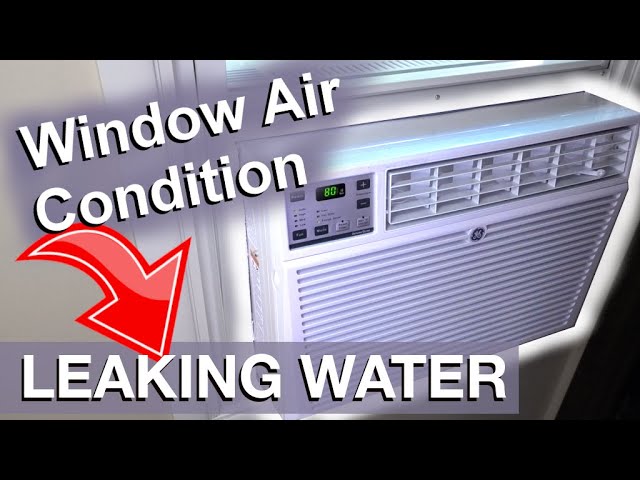
A window AC unit leaking water inside your home can be a frustrating and potentially damaging problem. It’s usually caused by condensation issues and can lead to water stains on your walls or floors, and in severe cases, even mold growth. Addressing this problem promptly is crucial to prevent further damage to your home and maintain a healthy living environment. Its most common during periods of high humidity or when the AC is working extra hard.
Common Causes of AC Leaking Water Window Unit
Here are some of the most common reasons why your window AC unit might be leaking water:
- Clogged Drain Port: This is the most frequent culprit. The drain port allows condensation to escape outside. If it’s blocked, water will back up and leak inside.
- Improper Installation Angle: Window AC units should be slightly tilted outwards. This allows gravity to help the water drain properly. If it’s tilted inwards, the water will leak inside.
- Dirty Air Filter: A dirty filter restricts airflow, causing the evaporator coil to freeze. When the ice melts, it can overwhelm the drain system and lead to leaks.
- Damaged or Frozen Evaporator Coils: If the coils are excessively dirty or the unit is set too low, they can freeze. The melting ice can cause leaks.
- Cracked Drain Pan: The drain pan collects the condensation. A crack in the pan will allow water to leak through.
- High Humidity: On very humid days, the AC unit might simply be producing more condensation than it can handle, causing a slight overflow.
- Damaged Seals or Gaskets: The seals around the unit can deteriorate over time, allowing water to seep through.
- Kinked or Blocked Drain Hose (if applicable): Some window units have a drain hose. A kink or blockage will prevent proper drainage.
Symptoms Checklist
Here’s how to confirm if you have a leaking AC unit:
- Water dripping from the front of the unit (inside your room).
- Water pooling on the floor beneath the unit.
- Water stains on the wall beneath the unit.
- Excessive condensation on the AC unit’s exterior.
- Visible ice buildup on the coils (before it melts and leaks).
- Musty or moldy smell near the AC unit.
How to Fix AC Leaking Water Window Unit Step-by-Step Guide
Follow these steps to troubleshoot and fix your leaking AC unit:
- Safety First: Unplug the AC unit from the power outlet before starting any work.
- Inspect the Installation Angle: Use a level to check if the unit is tilted slightly outwards. It should be slightly higher on the inside than the outside. Adjust if necessary.
- Clean the Air Filter: Remove the air filter and wash it with mild soap and water. Let it dry completely before reinstalling it. A dirty filter is a common cause of freezing.
- Locate the Drain Port: Usually located on the back of the unit, outside your window.
- Clear the Drain Port: Use a straightened paperclip, pipe cleaner, or small screwdriver to gently clear any debris clogging the drain port. Wiggle it around to dislodge any blockage.
- Check the Drain Pan: Carefully inspect the drain pan (usually located beneath the coils) for cracks. If you see any cracks, this is likely the source of the leak.
- Inspect the Coils (Carefully): Look at the evaporator coils (usually behind the air filter) for ice buildup. If there’s ice, let it melt completely before proceeding. Turn the AC off for a few hours to allow melting.
- Clean the Coils (If Accessible): If the coils are dirty, use a vacuum cleaner with a brush attachment to gently remove any dust or debris. You can also use a fin comb to straighten any bent fins.
- Check the Drain Hose (If Applicable): If your unit has a drain hose, inspect it for kinks, clogs, or damage. Straighten any kinks and clear any blockages.
- Reassemble the Unit: Once you’ve cleaned and inspected everything, carefully reassemble the unit.
- Test the Unit: Plug the AC unit back in and turn it on. Monitor it closely for leaks. Run it for at least an hour to see if the problem is resolved.
- Adjust Temperature Settings: Avoid setting the temperature too low, as this can contribute to freezing. A higher temperature setting might prevent future ice buildup.
- Monitor Humidity Levels: On extremely humid days, consider using a dehumidifier in the room to reduce the amount of moisture the AC unit has to handle.
- Regular Maintenance: Clean the air filter regularly (every 2-4 weeks) and inspect the drain port periodically to prevent future clogs.
Fix the Issue Without Buying Parts
Before you rush to buy replacement parts, try these free fixes:
- Reset the Unit: Unplug the AC unit for 15 minutes, then plug it back in. This can sometimes reset the system and resolve minor issues.
- Thorough Cleaning: A deep clean of all accessible components, including the filter, coils, and drain area, can often resolve leaks caused by blockages.
- Recalibrate the Angle: Double-check and adjust the installation angle to ensure proper drainage.
- Regular Inspection: Make it a habit to regularly inspect your AC unit for signs of leaks or blockages, especially during periods of high humidity.
When Replacement Might Be Necessary
If you’ve tried all the troubleshooting steps and the AC unit is still leaking, you might need to consider replacement. A severely cracked drain pan or irreparable damage to the coils are common reasons for replacement. The cost of a new window AC unit typically ranges from $150 to $500 USD, depending on the size and features. The drain pan and even the entire unit itself are parts that may need to be replaced. Calling a professional could cost anywhere from $75 to $200 an hour.
Safety Warning
- Always unplug the AC unit before performing any maintenance or repairs.
- Avoid working on the unit with wet hands.
- Be careful when handling the coils, as they can be sharp.
- If you’re uncomfortable performing any of these steps, consult a qualified technician.
- Be mindful of water spills on the floor to prevent slipping hazards.
Tools You May Need
- Screwdriver (Phillips head and flat head)
- Level
- Paperclip or pipe cleaner
- Vacuum cleaner with brush attachment
- Mild soap and water
- Fin comb (optional)
FAQ
Here are some frequently asked questions about leaking AC units:
- Q: Why is my AC leaking even after I cleaned the filter? A: There might be a clog in the drain port or the installation angle could be incorrect.
- Q: How often should I clean my AC filter? A: Every 2-4 weeks, or more frequently if you have pets or allergies.
- Q: Is it dangerous if my AC leaks water? A: It can lead to water damage, mold growth, and electrical hazards if not addressed.
- Q: Can I use bleach to clean the drain port? A: Avoid using harsh chemicals like bleach, as they can damage the plastic components.
Conclusion
Fixing a leaking window AC unit is often a straightforward task that you can tackle yourself. By following these steps, you can often resolve the issue without having to call a technician. However, if you’re uncomfortable with any of these steps or the problem persists, don’t hesitate to seek professional help. Regular maintenance will keep your AC running smoothly and prevent future leaks.
Youtube Video:
Looking for more useful options?
Check out recommended resources that others find helpful.