Introduction
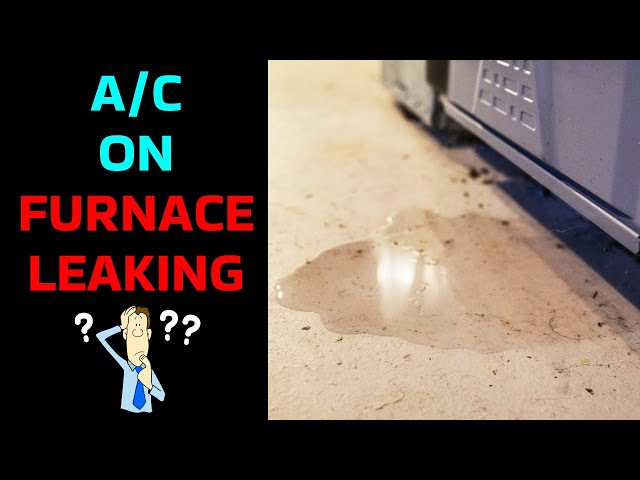
Discovering your air conditioner is leaking fluid can be concerning. It often indicates a problem within the system and needs attention to prevent further damage. Common situations include noticing water stains near your indoor unit or a puddle forming outside where the condenser sits. Addressing this issue promptly is essential, as AC leaks can lead to mold growth, structural damage, and reduced cooling efficiency. Don’t delay; let’s get your AC back on track!
Common Causes of AC Leaking Fluid
Here are some of the most frequent culprits behind AC fluid leaks:
- Clogged Drain Line: Condensation naturally forms inside your AC. This water is meant to drain away, but algae, dust, and debris can clog the drain line, causing water to back up and leak.
- Dirty Air Filter: A dirty air filter restricts airflow, causing the evaporator coil to freeze. When the ice melts, it creates excessive water that the drain pan can’t handle.
- Broken Drain Pan: The drain pan collects condensation. Over time, it can crack or rust, leading to leaks.
- Low Refrigerant: While less common than water leaks, a refrigerant leak can sometimes be confused as a water leak because it can cause the evaporator coil to freeze, which then melts and drips.
- Evaporator Coil Freeze-Up: As mentioned above, a dirty air filter or low refrigerant can cause the evaporator coil to freeze.
- Improper Installation: Incorrect installation, especially the drain line’s slope, can hinder proper drainage and cause leaks.
- Damaged Condensate Pump: Some AC systems use a pump to move condensation water. A faulty pump can lead to overflowing.
- High Humidity: On very humid days, your AC might produce more condensation than usual, potentially overwhelming the drainage system.
- Drain Line Disconnection: Sometimes, the drain line can become detached from the AC unit, leading to water spilling out.
Symptoms Checklist
Look for these indicators to confirm your AC is leaking fluid:
- Water stains on the ceiling or walls near the indoor unit.
- Puddles of water around the indoor or outdoor unit.
- A musty or moldy odor coming from the AC unit or vents.
- The AC unit isn’t cooling as effectively as it used to.
- Visible ice formation on the evaporator coil (indoor unit).
- Water dripping from the outdoor unit when it’s not raining.
- A full or overflowing drain pan.
How to Fix AC Leaking Fluid Step-by-Step Guide
Follow these steps to troubleshoot and potentially fix your AC leak:
- Turn off the AC: Before you start, switch off the AC unit at the thermostat and the breaker to ensure safety.
- Locate the Leak: Determine where the water is coming from (indoor or outdoor unit, ceiling, wall).
- Inspect the Air Filter: Remove the air filter and check if it’s dirty. If it is, replace it with a new one.
- Check the Drain Pan: Locate the drain pan (usually under the indoor unit). Is it full or overflowing? Is it cracked or damaged?
- Clear the Drain Line: Find the drain line (a PVC pipe usually exiting the indoor unit and leading outside). Disconnect it (if possible).
- Flush the Drain Line: Use a wet/dry vacuum to suck out any clogs from the drain line. Alternatively, carefully pour a cup of diluted bleach or vinegar down the drain line to dissolve clogs. Let it sit for 30 minutes, then flush with water.
- Check for Ice Buildup: Inspect the evaporator coil for ice. If present, let the ice melt completely before proceeding. Running the fan only (without AC) will speed up the melting process.
- Inspect the Condensate Pump (if applicable): If your system has a condensate pump, check if it’s working. Ensure it’s plugged in and the float switch isn’t stuck.
- Reassemble the Drain Line: Reconnect the drain line securely.
- Test the AC: Turn the AC back on and monitor for leaks. Run it for at least an hour to see if the problem is resolved.
- Check the slope of the drain line: Ensure that the drain line is slanted downwards all the way for proper drainage. If it has any section that is not slanted down it will prevent proper drainage.
- Dry the surrounding area: After testing make sure to dry the are around the unit that was leaking. This will help prevent any mold issues.
Fix the Issue Without Buying Parts
Sometimes, you can resolve the leak without spending any money:
- Reset the AC: Turn off the breaker for a few minutes, then turn it back on. This can sometimes resolve minor glitches.
- Clean the Area Around the Unit: Remove any debris, plants, or obstructions around the outdoor unit to improve airflow.
- Basic Maintenance: Regularly replace your air filter (every 1-3 months) and periodically inspect the drain line to prevent clogs.
- Check the outside drain pipe: Look at the exit of the drain pipe. Is it clogged up by weeds or debris? This can stop the flow of water.
When Replacement Might Be Necessary
If the leak persists after troubleshooting, or if you notice signs of significant damage like extensive rust or corrosion, replacement might be necessary. A cracked drain pan ($50-$200), a faulty condensate pump ($100-$300), or a refrigerant leak requiring coil replacement ($500-$1500) are common reasons for considering replacement. Consult a qualified HVAC technician for an accurate assessment and quote.
Safety Warning
- Always turn off the power to the AC unit before performing any maintenance.
- Be careful when working with water near electrical components.
- If you suspect a refrigerant leak, do not attempt to repair it yourself. Refrigerant handling requires specialized equipment and training.
- Wear gloves to protect your hands from dirt and chemicals.
- Clean up any spilled water immediately to prevent slips and falls.
Tools You May Need
- Wet/dry vacuum
- Screwdrivers (Phillips and flathead)
- Pliers
- Wrench
- New air filter
- Bucket
- Gloves
- Eye protection
FAQ
Here are some frequently asked questions about AC leaks:
- Q: Why is my AC leaking even after I cleaned the drain line? A: There might be a crack in the drain pan, or the evaporator coil could still be freezing due to low refrigerant.
- Q: Is a refrigerant leak dangerous? A: Yes, refrigerant leaks can be harmful to your health and the environment. Call a qualified technician to repair it.
- Q: How often should I change my air filter? A: Every 1-3 months, depending on usage and air quality.
- Q: Can I use vinegar to clean the drain line? A: Yes, diluted vinegar is a safe and effective alternative to bleach for cleaning the drain line.
- Q: How do I know if it is a refrigerant leak? A: Usually by seeing the coil frozen up and if you are not getting cold air. A technician can confirm with gauges to test the freon.
Conclusion
Troubleshooting an AC leak can seem daunting, but by following these steps, you can often identify and resolve the issue yourself. Remember to prioritize safety and consider calling a qualified HVAC technician if you’re uncomfortable performing any of these tasks or if the problem persists. Addressing AC leaks promptly will save you money and prevent further damage to your home!
Youtube Video:
Looking for more useful options?
Check out recommended resources that others find helpful.