Introduction
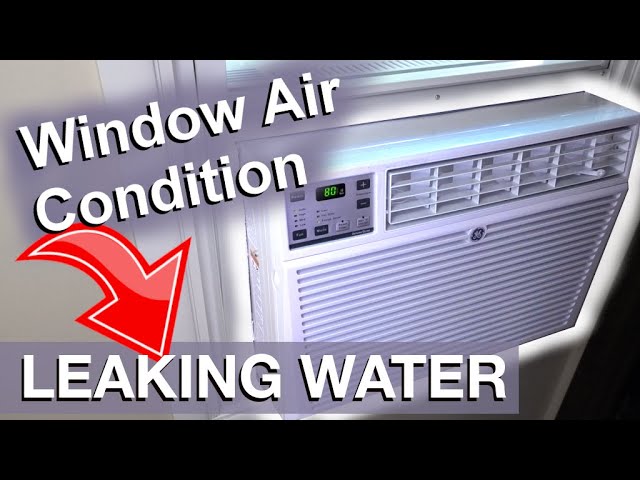
Seeing water coming from your air conditioner can be alarming, but don’t panic! This problem, often described as “AC spitting water,” usually indicates a blockage or drainage issue within your unit. While it might seem like a minor inconvenience, ignoring this issue can lead to mold growth, water damage, and even damage to your AC unit itself. Addressing it quickly can prevent costly repairs down the line and ensure your AC runs efficiently.
Common Causes of AC is Spitting Water
Here are some common reasons why your AC might be spitting water:
- Clogged Drain Line: This is the most frequent culprit. Dirt, algae, and debris can accumulate in the drain line, preventing water from flowing out properly.
- Dirty Air Filter: A clogged air filter restricts airflow, causing the evaporator coil to freeze. As the ice melts, it overwhelms the drain pan, leading to water leakage.
- Frozen Evaporator Coil: Similar to a dirty filter, low refrigerant levels or a malfunctioning blower motor can also cause the evaporator coil to freeze.
- Broken Drain Pan: The drain pan catches condensation. If it’s cracked or damaged, water will leak out.
- Incorrect AC Unit Angle: If your window AC isn’t tilted slightly downwards towards the outside, the water won’t drain properly.
- Damaged Insulation: Damaged insulation around refrigerant lines can cause condensation to form and drip.
- Refrigerant Leak: While less common, a refrigerant leak can lower the coil temperature enough to cause excessive condensation and freezing.
- Blocked Condensate Pump (for units with pumps): If your AC uses a condensate pump to remove water, a blockage or malfunction can cause water to back up.
Symptoms Checklist
Check for these signs to accurately identify the “AC spitting water” problem:
- Water dripping or spraying from the front of the AC unit.
- Water stains on the wall or floor around the AC unit.
- A musty or moldy smell near the AC.
- The AC unit isn’t cooling as effectively as usual.
- Ice buildup on the coils inside the AC unit.
- Loud or unusual noises coming from the AC.
How to Fix AC is Spitting Water Step-by-Step Guide
Follow these steps to troubleshoot and fix the issue:
- Turn off the AC: Before you begin any troubleshooting, turn off the AC unit and unplug it from the power outlet.
- Check the Air Filter: Remove the air filter and inspect it. If it’s dirty, clean it (if it’s a reusable filter) or replace it with a new one.
- Inspect the Drain Line: Locate the drain line (usually a PVC pipe) exiting the AC unit. Check for any visible clogs or kinks.
- Clear the Drain Line: Use a wet/dry vacuum to suck out any debris from the drain line. You can also try using a stiff wire or a pipe cleaner to dislodge any blockages.
- Flush the Drain Line: Pour a cup of white vinegar into the drain line opening. Let it sit for 30 minutes, then flush it with water. This helps dissolve any remaining buildup.
- Check the Drain Pan: Inspect the drain pan for cracks or damage. If you find any, consider temporarily patching it with waterproof tape until you can get a replacement.
- Adjust the AC Unit Angle (Window Units): Ensure that your window AC unit is tilted slightly downwards towards the outside. This allows for proper drainage.
- Thaw a Frozen Evaporator Coil: If you suspect the evaporator coil is frozen, turn off the AC and let it thaw completely. This may take several hours.
- Clean the Evaporator Coil: Once thawed, clean the evaporator coil with a soft brush and a mild detergent solution. Be gentle to avoid damaging the fins.
- Check for Leaks: After cleaning, run the AC and carefully inspect for any leaks coming from the unit, connections or lines.
- Inspect Insulation: Look for damage or gaps in the insulation surrounding the refrigerant lines. Seal any gaps with insulation tape.
- Test the Condensate Pump (if applicable): If your AC has a condensate pump, make sure it’s functioning correctly. Clean the pump and reservoir, and check the float switch.
- Run the AC: After completing these steps, plug the AC back in and turn it on. Observe if the water leaking has stopped.
- Monitor for Recurrence: Keep an eye on your AC for the next few days to ensure the problem doesn’t return.
Fix the Issue Without Buying Parts
Many times, you can resolve the “AC spitting water” issue without spending any money:
- Regular Cleaning: Clean your air filter monthly and flush the drain line at least twice a year to prevent clogs.
- Proper Installation: Ensure your window AC unit is installed correctly with a slight downward tilt.
- Visual Inspections: Regularly inspect the drain pan, drain line, and insulation for any signs of damage.
- Maintenance Basics: Keep the area around your AC unit clean and free of debris to ensure proper airflow.
When Replacement Might Be Necessary
In some cases, replacement might be the only solution:
- Extensive Drain Pan Damage: If the drain pan is severely cracked or corroded, it may need to be replaced. Estimated cost: $50-$200.
- Refrigerant Leak: A refrigerant leak can be difficult and expensive to repair. It might be more cost-effective to replace the unit, especially if it’s an older model. Repair cost: $150-$500+. Replacement cost: $200-$800+
- Condensate Pump Failure: If the condensate pump is completely broken, replacing it is usually the best option. Estimated cost: $30-$150.
Safety Warning
- Always unplug the AC unit before performing any maintenance or repairs.
- Avoid working on electrical components if you’re not comfortable with electricity.
- Be careful when handling sharp objects, such as screwdrivers or wire cutters.
- Don’t work on the AC with wet hands or while standing on a wet floor.
- If you’re unsure about any step, consult a qualified HVAC technician.
Tools You May Need
- Screwdriver
- Wet/dry vacuum
- Stiff wire or pipe cleaner
- White vinegar
- Soft brush
- Mild detergent
- Insulation tape
FAQ
- Q: How often should I clean my AC filter? A: At least once a month, or more often if you have pets or allergies.
- Q: Why is my AC spitting water even after I cleaned the drain line? A: There might be a hidden clog further down the line, or the evaporator coil could be freezing.
- Q: Can I use bleach to clean the drain line? A: While bleach can be effective, it can also damage some AC components. White vinegar is a safer alternative.
- Q: How do I know if my AC has a condensate pump? A: Look for a small box-like device near the AC unit or along the drain line.
Conclusion
Dealing with an AC that’s spitting water can be frustrating, but with these simple steps, you can often resolve the issue yourself and avoid costly repairs. Remember to prioritize safety and take your time. If you’ve tried these troubleshooting steps and the problem persists, it’s best to consult a qualified HVAC technician for professional assistance.
Youtube Video:
Looking for more useful options?
Check out recommended resources that others find helpful.