Introduction
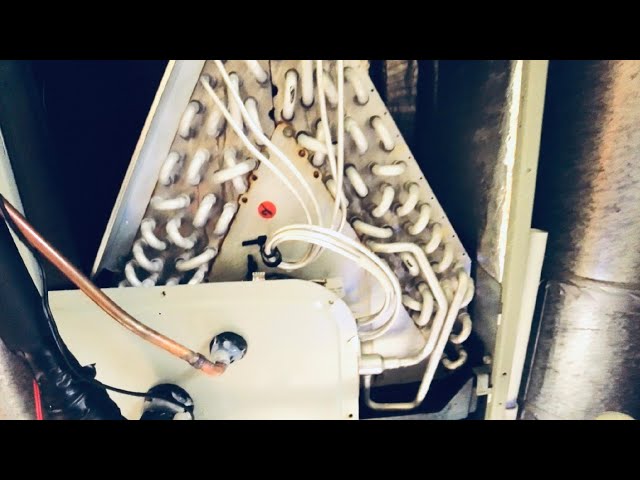
A wet AC evaporator coil, the part of your air conditioner that cools the air, isn’t normal. It usually means there’s a problem preventing proper cooling and potentially causing damage to your system. If you notice excessive moisture, ice, or water leaks around your indoor AC unit, it’s important to address it quickly. Ignoring a wet coil can lead to reduced cooling efficiency, higher energy bills, mold growth, and costly repairs down the line. Addressing it now can prevent a small issue from turning into a major headache.
Common Causes of ac evaporator coil wet
Here are some of the most frequent reasons why your AC evaporator coil might be wet:
- Low Refrigerant: Insufficient refrigerant reduces the coil’s temperature, causing it to ice up. When the AC cycles off, the ice melts, resulting in excessive wetness.
- Dirty Air Filter: A clogged air filter restricts airflow, leading to the coil getting too cold and freezing.
- Restricted Airflow: Blocked vents, closed registers, or ductwork issues can also reduce airflow, causing the same problem as a dirty filter.
- Faulty Blower Motor: If the blower motor isn’t working correctly, it won’t circulate air properly over the coil, leading to freezing and then excessive moisture.
- Drainage Problems: A clogged condensate drain line prevents water from properly draining away from the coil, causing it to overflow.
- Extreme Humidity: Very humid conditions can overwhelm the system’s ability to dehumidify the air, leading to more condensation than usual.
- Frozen Coil: Already have ice? Let it melt! This is the first step to diagnosing any of the above issues.
- Leaky Ductwork: Leaky ducts can allow warm, moist air to enter the system, contributing to condensation.
Symptoms Checklist
If you’re unsure whether your evaporator coil is the problem, look for these telltale signs:
- Visible ice or frost on the indoor AC unit or refrigerant lines.
- Water leaks around the indoor AC unit.
- Reduced cooling performance (AC not cooling as well as it used to).
- Musty odor coming from the vents.
- Higher than usual energy bills.
- AC unit cycles on and off frequently (short cycling).
How to Fix ac evaporator coil wet Step-by-Step Guide
Here’s how to troubleshoot a wet evaporator coil:
- Turn Off the AC: Switch off your AC unit at the thermostat and breaker. This allows the coil to thaw if it’s frozen and prevents further damage.
- Inspect the Air Filter: Remove the air filter and check if it’s dirty. Hold it up to the light; if you can barely see through it, it needs to be replaced.
- Replace the Air Filter: Install a new, clean air filter. Make sure to choose the correct size and type for your system.
- Check Airflow: Ensure all vents and registers are open and not blocked by furniture or curtains.
- Inspect the Condensate Drain Line: Locate the condensate drain line (usually a PVC pipe near the indoor unit). Check for any visible clogs or obstructions.
- Clear the Condensate Drain Line: Use a wet/dry vacuum to suck out any debris from the drain line. You can also try pouring a cup of vinegar down the drain line to dissolve any buildup.
- Check for Duct Leaks: Visually inspect the ductwork for any obvious leaks or damage. Look for gaps, tears, or loose connections.
- Seal Duct Leaks: Use duct tape or mastic sealant to seal any leaks you find in the ductwork.
- Allow the Coil to Thaw Completely: Give the coil ample time to thaw completely. This may take several hours. Use a fan to help accelerate the thawing process.
- Turn the AC Back On (Fan Only): After the coil has thawed, turn the AC back on in “fan only” mode for a few hours to help dry it out.
- Monitor the AC Performance: Once the coil is dry, switch the AC back to cooling mode and monitor its performance. Check for any signs of freezing or excessive moisture.
- Note: It may take 2448 hours to see whether the corrective actions have resolved the problem.
- If the Problem Persists: If the coil is still getting wet, it could be a sign of a more serious problem, such as a refrigerant leak.
Fix the Issue Without Buying Parts
Before resorting to replacing parts, try these free methods:
- Reset the System: Turn off the AC at the breaker for 30 minutes, then turn it back on. This can sometimes reset the system and resolve minor issues.
- Regular Cleaning: Clean the area around the indoor and outdoor AC units to remove any debris that could be affecting airflow.
- Inspect for Obstructions: Carefully inspect the outdoor unit for any obstructions, such as overgrown plants or debris, that could be blocking airflow.
- Maintenance Basics: Schedule regular AC maintenance to prevent future problems. This includes cleaning the coils, checking refrigerant levels, and inspecting all components.
When Replacement Might Be Necessary
In some cases, replacement of parts may be necessary. Common culprits include:
- Refrigerant Leak: Replacing parts to stop the leak and re-charging AC. ($200$1500 depending on the leak).
- Faulty Blower Motor: Replacement can range from $200-$800 depending on the size and type of motor.
- Evaporator Coil: Replacement can range from $800-$2500, it is a complex operation which may require special tools.
Safety Warning
Always prioritize safety when working with electrical appliances:
- Turn off the power to the AC unit at the breaker before performing any maintenance or repairs.
- Avoid working on electrical components if you’re not comfortable or experienced.
- Keep the area around the AC unit dry to prevent electrical shock.
- Wear gloves and eye protection when handling chemicals or cleaning solutions.
- If you are not sure about any of these steps, call a qualified HVAC technician.
Tools You May Need
Here’s a list of tools that might be helpful:
- Screwdrivers (Phillips and flathead)
- Wet/dry vacuum
- Duct tape or mastic sealant
- Gloves
- Eye protection
- Air filter
- Fin comb (for cleaning coil fins – optional)
FAQ
Here are some frequently asked questions about wet AC evaporator coils:
-
Q: How do I know if my refrigerant is low?
A: Common signs of low refrigerant include reduced cooling performance, ice on the refrigerant lines, and a hissing sound near the AC unit. -
Q: How often should I change my air filter?
A: It depends on your environment, but generally, you should change your air filter every 1-3 months. -
Q: Can I clean the evaporator coil myself?
A: It’s possible, but it requires special cleaners and care to avoid damaging the fins. It’s often best left to a professional. -
Q: Why is my AC unit leaking water indoors?
A: This is usually a sign of a clogged condensate drain line.
Conclusion
Troubleshooting a wet AC evaporator coil can seem daunting, but by following these steps, you can often identify and resolve the problem yourself. Remember to prioritize safety and start with the simplest solutions first. If you’re not comfortable performing any of these tasks or if the problem persists, don’t hesitate to call a qualified HVAC technician. Taking care of your AC system will ensure efficient cooling and prevent costly repairs in the long run.
Youtube Video:
Looking for more useful options?
Check out recommended resources that others find helpful.