Introduction
Discovering your air conditioner is dripping water inside your home and not effectively cooling can be frustrating and concerning. This problem often arises during peak summer months when the AC is working hardest, putting a strain on its components. Ignoring the issue can lead to water damage in your home, mold growth, and further damage to the AC unit itself. Addressing this problem promptly is crucial to prevent bigger issues and ensure your home remains cool and comfortable.
Common Causes of AC Dripping Water and Not Cooling
Several factors can cause your AC to drip water and lose cooling efficiency. Here are some common culprits:
- Clogged Air Filter: A dirty air filter restricts airflow, causing the evaporator coil to freeze. As it melts, it drips water.
- Frozen Evaporator Coil: Restricted airflow (due to a dirty filter or other issues) can cause the coil to become too cold and freeze.
- Blocked Drain Line: Condensation is collected in a drain pan and exits through a drain line. If this line is clogged, water overflows.
- Low Refrigerant Levels: Low refrigerant can also lead to a frozen evaporator coil.
- Damaged Drain Pan: A cracked or rusted drain pan will leak water.
- Improper Installation: Incorrectly installed AC units may have drainage issues.
- Leaky Ductwork: Air leaks in ductwork can cause temperature imbalances and condensation.
- High Humidity: Excessively humid conditions can increase condensation, potentially overwhelming the drainage system.
Symptoms Checklist
Use this checklist to identify the problem accurately:
- Water dripping from the indoor AC unit.
- The AC unit is blowing warm air or not cooling effectively.
- Ice formation on the evaporator coil (visible after removing access panel).
- Standing water around the indoor or outdoor AC unit.
- Musty or moldy odor coming from the AC vents.
- AC unit is running more frequently or constantly.
How to Fix AC Dripping Water and Not Cooling Step-by-Step Guide
Follow these steps to troubleshoot and potentially fix the problem:
- Turn Off the AC: Before you start, turn off the AC unit at the thermostat and the breaker to prevent electrical shock.
- Inspect the Air Filter: Locate the air filter (usually behind a return grille) and check if its dirty. If it is, replace it with a new one.
- Thaw a Frozen Evaporator Coil: If you suspect a frozen coil, turn the AC off and set the fan to “on” to help thaw the ice. This may take several hours.
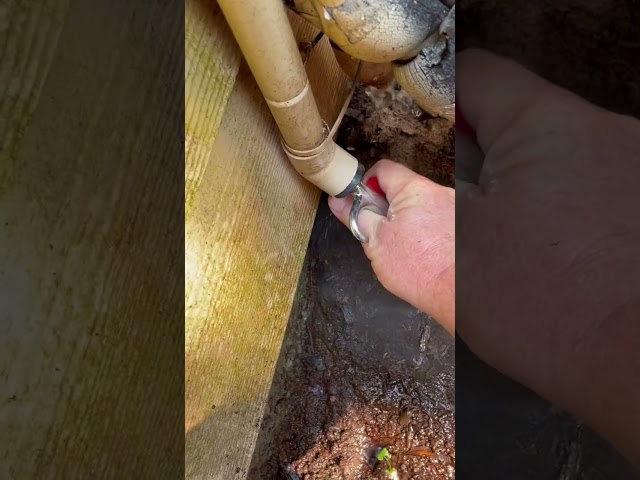
- Locate the Drain Line: Find the PVC drain line, usually near the indoor unit. It may drain outside or into a utility sink.
- Check for Drain Line Blockages: Look for any visible obstructions in the drain line opening.
- Clear the Drain Line: Use a wet/dry vacuum to suck out any clogs from the drain line opening. Alternatively, you can use a stiff wire or a drain snake to break up clogs.
- Flush the Drain Line: Pour a cup of distilled white vinegar into the drain line to kill mold and algae. Let it sit for 30 minutes, then flush with water.
- Inspect the Drain Pan: Check the drain pan for cracks, rust, or standing water. If the pan is damaged, it may need to be replaced (though this is less common).
- Check for Leaks Around the Unit: Examine the area around both the indoor and outdoor units for any signs of leaks.
- Clean the Outdoor Unit: Remove any debris, leaves, or grass clippings from around the outdoor unit.
- Straighten Bent Fins: Gently straighten any bent fins on the outdoor unit using a fin comb.
- Check Ductwork Connections: Inspect the visible ductwork connections for any gaps or loose seals. Seal any leaks with duct tape.
- Turn the AC Back On: After completing the above steps, turn the AC back on and monitor its performance.
- Monitor for Dripping: Keep an eye on the indoor unit for any further signs of dripping water.
Fix the Issue Without Buying Parts
Often, the problem can be resolved without purchasing new components:
- Reset the AC: Turn off the AC at the breaker for 30 minutes, then turn it back on. This can sometimes reset the system and resolve minor issues.
- Cleaning: Regularly cleaning the air filter and outdoor unit can prevent future problems.
- Recalibration (Thermostat): Make sure your thermostat is properly calibrated and set to the correct temperature.
- Inspection Tips: Perform regular visual inspections of the AC unit and surrounding area. Look for signs of leaks, damage, or debris.
- Maintenance Basics: A little basic maintenance goes a long way. Schedule annual professional AC maintenance for a thorough inspection and cleaning.
When Replacement Might Be Necessary
In some cases, replacement might be the only option:
- Severe Damage: If the drain pan is severely damaged or the evaporator coil is corroded beyond repair.
- Refrigerant Leaks: If refrigerant leaks persist despite attempts to repair them.
- Aging Unit: If the AC unit is more than 10-15 years old and experiencing frequent problems.
Estimated replacement costs range from $3,000 to $7,000 USD, depending on the unit’s size and efficiency. Commonly failing parts that might necessitate replacement include the compressor, evaporator coil, and condenser coil.
Safety Warning
- Always turn off the power to the AC unit before performing any maintenance or repairs.
- Avoid touching any electrical components with wet hands.
- Be careful when working on a ladder.
- If you are uncomfortable performing any of these tasks, contact a qualified HVAC technician.
- Ensure adequate ventilation when using cleaning products.
Tools You May Need
- Screwdrivers (Phillips and flathead)
- Wet/dry vacuum
- Fin comb
- Drain snake or stiff wire
- Distilled white vinegar
- Duct tape
- Air filter
FAQ
Here are some frequently asked questions about AC dripping water and not cooling:
-
Q: Why is my AC dripping water even after I changed the filter?
A: There might be a clog further down the drain line, or the evaporator coil could still be frozen. Check the drain line and allow more time for the coil to thaw. -
Q: How often should I clean my AC’s air filter?
A: At least every 1-3 months, or more frequently if you have pets or allergies. -
Q: Can low refrigerant cause my AC to drip water?
A: Yes, low refrigerant can cause the evaporator coil to freeze, leading to dripping water. Contact a professional to recharge the refrigerant. -
Q: Is it normal for my AC to drip water outside?
A: Yes, it’s normal for the AC to drip water outside from the condensate drain line. However, excessive dripping or pooling water could indicate a problem.
Conclusion
Experiencing an AC that’s dripping water and failing to cool can be concerning, but by following these troubleshooting steps, you can often identify and resolve the issue yourself. Remember to prioritize safety and take your time. Addressing simple problems like clogged filters and drain lines can significantly improve your AC’s performance. However, if the problem persists or you’re uncomfortable performing these tasks, don’t hesitate to contact a qualified HVAC technician for professional assistance. A proactive approach ensures a cool and comfortable home throughout the hottest months.
Youtube Video:
Looking for more useful options?
Check out recommended resources that others find helpful.