Introduction
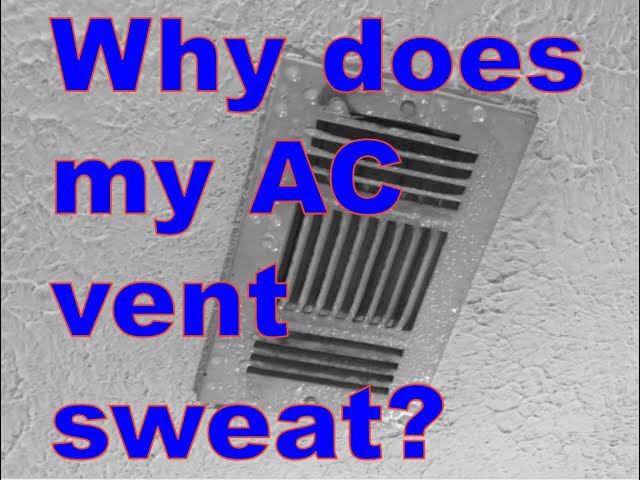
Discovering water stains on your ceiling is never a pleasant surprise. In many cases, this indicates a leak caused by AC condensation. This happens when your air conditioner’s condensation drain system fails, leading to excess moisture that eventually finds its way through your ceiling. It’s common during hot, humid weather when your AC is working overtime. Addressing this problem quickly is crucial to prevent further water damage, mold growth, and costly repairs to your ceiling and potentially your AC unit itself. Don’t ignore it!
Common Causes of AC Condensation Leaking Through Ceiling
Several factors can contribute to AC condensation leaking through your ceiling:
- Clogged Condensate Drain Line: This is the most frequent culprit. Algae, mold, dust, and debris can build up, blocking the drain and causing water to back up.
- Damaged Drain Pan: The drain pan beneath your AC unit collects condensation. If it’s cracked, rusted, or overflowing, water will leak.
- Improperly Installed Drain Line: If the drain line isn’t properly sloped, the water won’t flow correctly, leading to backups.
- Frozen Evaporator Coil: A frozen coil prevents proper airflow, which can cause condensation to form and overflow. This is often due to dirty air filters or low refrigerant levels.
- Low Refrigerant Levels: Insufficient refrigerant reduces the coil temperature, causing excessive condensation.
- Dirty Air Filter: A clogged air filter restricts airflow, making the AC work harder and increasing condensation.
- Insulation Issues: Poorly insulated AC lines can cause condensation to form on the outside of the pipes.
- High Humidity: Extremely humid conditions can overwhelm the AC’s drainage capacity.
Symptoms Checklist
Here’s how to identify if AC condensation is causing the leak:
- Water stains or damp spots on the ceiling, especially near AC vents or units.
- Dripping water from the ceiling.
- Musty or moldy odors.
- Visible mold growth on the ceiling or walls.
- The AC unit is running more frequently or for longer periods.
- Unusual noises coming from the AC unit.
How to Fix AC Condensation Leaking Through Ceiling Step-by-Step Guide
Follow these steps to troubleshoot and fix the issue:
- Turn Off the AC: Immediately switch off your AC unit to prevent further water damage.
- Protect the Area: Place buckets or towels beneath the leak to catch dripping water.
- Locate the AC Unit: Find the indoor unit (usually in an attic, closet, or utility room).
- Inspect the Drain Pan: Check the drain pan for cracks, rust, or overflowing water. If it’s full, carefully empty it.
- Locate the Condensate Drain Line: This is usually a PVC pipe running from the drain pan to an outside location or a floor drain.
- Check for Clogs: Look for any visible obstructions in the drain line.
- Flush the Drain Line with Vinegar: Pour a cup of white vinegar into the drain line opening. Vinegar helps dissolve algae and mold. Let it sit for 30 minutes.
- Use a Wet/Dry Vacuum: After the vinegar soak, use a wet/dry vacuum to suck out any remaining debris from the drain line. Connect the vacuum hose to the end of the drain line and turn it on.
- Check the Air Filter: Remove the air filter and inspect it. If it’s dirty, clean or replace it. A clean filter allows for better airflow.
- Inspect the Evaporator Coils: If accessible, visually inspect the evaporator coils (behind the filter). If they are frozen, allow them to thaw completely (this could take several hours) before proceeding.
- Check the Drain Line Slope: Ensure the drain line has a consistent downward slope to allow for proper drainage. Adjust as needed.
- Test the Drainage: After cleaning the drain line, pour a small amount of water into the drain pan to ensure it drains properly.
- Monitor the Area: After completing the steps, turn the AC back on and monitor the ceiling for any signs of continued leakage.
- Repeat if Necessary: If the leak persists, repeat the steps or consider professional assistance.
Fix the Issue Without Buying Parts
Here are some free methods to try:
- Reset the AC Unit: Turn off the AC at the breaker for 30 minutes, then turn it back on. This can sometimes resolve minor issues.
- Regular Cleaning: Clean the air filter monthly and flush the drain line with vinegar every few months as preventative maintenance.
- Visual Inspections: Regularly inspect the drain pan and surrounding areas for signs of leaks or moisture.
- Improve Insulation: Ensure AC lines are properly insulated to prevent condensation buildup.
When Replacement Might Be Necessary
If the following situations occur, replacement of components may be necessary:
- Cracked Drain Pan: A severely cracked or damaged drain pan may need to be replaced. ($50-$200 USD)
- Severely Clogged or Damaged Drain Line: If the drain line is irreparably damaged or clogged, replacing it is essential. ($20-$50 USD)
- Refrigerant Leak: If a refrigerant leak is suspected (usually requiring a professional diagnosis), repairs or refrigerant recharge are necessary. This can be costly ($200-$800 USD) and sometimes replacement is considered.
Safety Warning
Follow these safety precautions:
- Always turn off the AC unit at the breaker before performing any maintenance.
- Avoid standing in water while working with electrical appliances.
- Be cautious when using ladders to reach high AC units.
- If you are uncomfortable working with electrical or plumbing components, contact a qualified HVAC technician.
Tools You May Need
Here’s a basic list of tools:
- Wet/Dry Vacuum
- Screwdriver (Phillips and flathead)
- Bucket
- Towels
- White Vinegar
- Flashlight
- Gloves
FAQ
Here are some common questions and answers:
- Q: How often should I clean my AC’s air filter? A: At least every month, or more frequently if you have pets or allergies.
- Q: Why is my AC freezing up? A: Freezing is often caused by restricted airflow due to a dirty air filter or low refrigerant levels.
- Q: Can I use bleach instead of vinegar to clean the drain line? A: While bleach can kill mold, it can also damage the drain line over time. Vinegar is a safer and more eco-friendly option.
- Q: How do I know if I have a refrigerant leak? A: Signs include poor cooling performance, ice buildup on the coils, and a hissing sound near the AC unit. Contact a qualified technician for diagnosis and repair.
Conclusion
Addressing AC condensation leaks promptly can save you from costly repairs and prevent potential health hazards. By following these troubleshooting steps, you can often resolve the issue yourself. However, if you’re uncomfortable with any of these steps or the problem persists, don’t hesitate to contact a qualified HVAC technician for professional assistance. Your comfort and safety are worth it!
Youtube Video:
Looking for more useful options?
Check out recommended resources that others find helpful.