Introduction
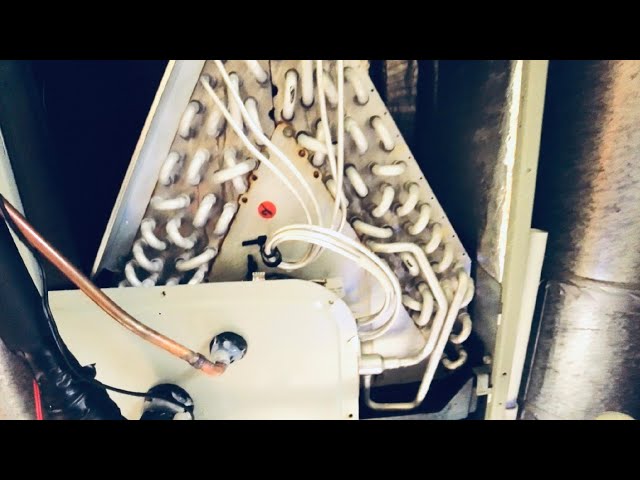
Finding water dripping from your indoor AC unit can be alarming, and understandably so! This water usually originates from the evaporator coils, the part of your AC system that cools the air. While some condensation is normal, excessive leaking points to a problem. Ignoring a leaky AC coil can lead to water damage to your ceiling, walls, and flooring, and can also encourage mold growth. Addressing this issue promptly can save you money and headaches in the long run. This guide will walk you through common causes and simple fixes you can try yourself.
Common Causes of AC Coils Leaking Water
Here are some of the most frequent reasons why your AC coils might be leaking water:
- Clogged Condensate Drain Line: This is the most common culprit. The drain line removes condensation; a clog prevents drainage and causes overflow.
- Dirty Air Filter: A dirty filter restricts airflow, causing the evaporator coil to get too cold and freeze. When the ice melts, it overwhelms the drain pan.
- Low Refrigerant: Low refrigerant causes the coil to become too cold, leading to freezing and melting issues like a dirty filter.
- Frozen Evaporator Coils: As mentioned above, freezing can be caused by several issues. The melting ice results in significant water leakage.
- Damaged Drain Pan: The drain pan beneath the coils collects condensation. If cracked or rusted, it can leak.
- Improper Installation: An improperly sloped drain line can prevent proper drainage, leading to backups.
- High Humidity: On extremely humid days, the AC unit has to work extra hard, generating more condensation than usual, which might exceed the drain pan’s capacity.
- Kinked or Disconnected Drain Line: A kink or disconnection prevents the water from draining correctly.
Symptoms Checklist
Use this checklist to confirm if your AC coil is likely leaking water:
- Water stains on your ceiling or walls near the indoor unit.
- Visible water dripping from the indoor AC unit.
- A musty or moldy smell in the room.
- The AC unit isn’t cooling as effectively as usual.
- You notice ice forming on the refrigerant lines or the indoor unit.
- The AC unit is making unusual gurgling or dripping sounds.
How to Fix AC Coils Leaking Water Step-by-Step Guide
Follow these steps to troubleshoot your leaky AC coil:
- Turn off the AC: This is crucial for safety. Switch off the AC at the thermostat and the breaker box.
- Inspect the Air Filter: Remove the air filter and check if it’s dirty. A clogged filter restricts airflow. Replace it with a clean filter.
- Locate the Condensate Drain Line: This is usually a PVC pipe near your indoor AC unit, often leading outside.
- Check for Clogs in the Drain Line: Look for any visible obstructions at the drain line opening.
- Flush the Drain Line: Use a wet/dry vacuum to suck out any clogs. Place the vacuum hose over the drain line opening for several minutes. Alternatively, you can use a garden hose with gentle pressure to flush the line.
- Pour Vinegar Down the Drain Line: Pour a cup of white vinegar down the drain line. Vinegar helps dissolve mold and algae. Let it sit for about 30 minutes, then flush with water.
- Inspect the Drain Pan: Check the drain pan underneath the evaporator coils for cracks or rust. Its usually accessible behind a panel on the indoor unit.
- Ensure Proper Drain Line Slope: The drain line should slope downward away from the AC unit. If it slopes upward, water will not drain properly.
- Check for Kinks or Disconnections: Inspect the entire length of the drain line for kinks or disconnections. Straighten any kinks and reconnect any loose sections.
- Thaw Frozen Coils (If Applicable): If you see ice forming on the coils, let the AC unit sit turned off for several hours to allow the ice to melt completely.
- Clean the Evaporator Coils: (If comfortable) Access the evaporator coils (usually behind a panel) and use a soft brush to gently remove any dust or debris. Be careful not to damage the delicate fins.
- Restart the AC: Turn the AC back on at the breaker and thermostat and monitor for leaks.
- Monitor the AC Unit: Keep an eye on the unit for the next few hours to ensure the leak has stopped.
- Check the Humidity Level: If humidity is extremely high, it could be overwhelming your system’s capacity. Try running a dehumidifier to assist.
Fix the Issue Without Buying Parts
Often, you can resolve a leaky AC coil without needing to buy any replacement parts:
- Regular Air Filter Replacement: Replace your air filter every 1-3 months to maintain proper airflow.
- Regular Drain Line Flushing: Flush the drain line with vinegar every few months to prevent clogs.
- Visual Inspections: Periodically inspect your AC unit for any signs of leaks, ice buildup, or other issues.
- Ensure Proper Ventilation: Make sure vents are not blocked by furniture or other objects.
- Adjust Thermostat Settings: Avoid setting the thermostat too low, as this can cause the coils to freeze.
When Replacement Might Be Necessary
In some cases, replacement of parts might be needed:
- Severely Damaged Drain Pan: If the drain pan is severely cracked or rusted, it may need to be replaced. Expect to pay between $50-$200 for a new drain pan, plus labor if you hire a technician.
- Low Refrigerant Leak: If the system has a refrigerant leak, you’ll need a professional to find and repair the leak and recharge the system. This can range from $200 to $1000, depending on the severity and location of the leak.
- Major Coil Damage: Damaged coils due to corrosion or physical damage might necessitate coil replacement, or even entire AC unit replacement.
Safety Warning
- Always turn off the power to the AC unit at the breaker box before performing any maintenance.
- Avoid touching any electrical components with wet hands.
- Be careful when working on a ladder or elevated surfaces.
- If you are uncomfortable performing any of these steps, consult a qualified HVAC technician.
- Wear gloves and eye protection when cleaning the AC unit.
Tools You May Need
Here are some tools that may be helpful:
- Wet/dry vacuum
- Screwdriver
- Flashlight
- Garden hose
- White vinegar
- Soft brush
- Gloves
- Eye protection
FAQ
Here are some frequently asked questions about leaky AC coils:
- Q: Why is my AC leaking even after I cleaned the drain line? A: There may be a secondary clog further down the line, a cracked drain pan, or another issue. Try flushing the line again with more force or consider calling a technician.
- Q: How often should I clean my AC drain line? A: It’s a good practice to clean your AC drain line at least twice a year, ideally at the beginning and end of the cooling season.
- Q: Can I use bleach to clean my AC drain line? A: While bleach can be effective, it can also corrode metal components in your AC system. Vinegar is a safer and more eco-friendly option.
- Q: What does it mean if my AC is leaking refrigerant? A: Refrigerant leaks are a serious issue that requires professional attention. Low refrigerant can damage your compressor and significantly reduce the efficiency of your AC unit.
Conclusion
Dealing with a leaky AC coil can seem daunting, but with a systematic approach, you can often resolve the issue yourself. Remember to prioritize safety and follow the steps outlined in this guide. If you’ve tried these troubleshooting steps and are still experiencing problems, don’t hesitate to contact a qualified HVAC technician for professional assistance. Starting with DIY troubleshooting can save you money and time before calling for professional help.
Youtube Video:
Looking for more useful options?
Check out recommended resources that others find helpful.