Introduction
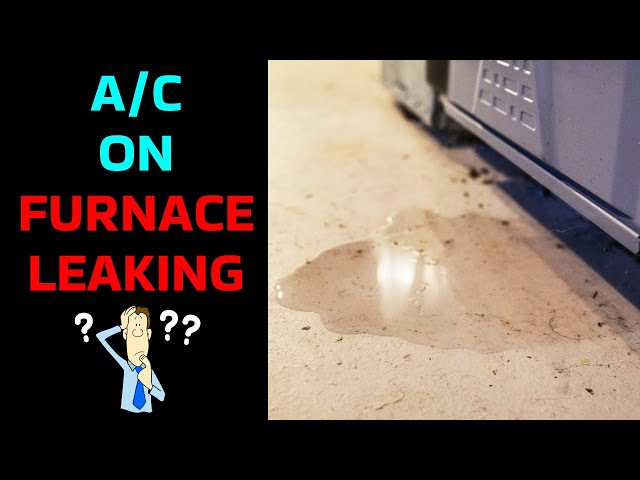
Discovering water leaking from your air conditioner can be alarming. This water usually comes from the AC coil, a crucial component that cools the air. While it’s normal for condensation to form, excessive water dripping or pooling is a sign of a problem. Leaking AC coil water can damage walls, floors, and even promote mold growth. Addressing this issue promptly can prevent costly repairs and maintain a healthy living environment. Ignoring the leak can lead to more significant problems and reduced cooling efficiency.
Common Causes of AC Coil Water Leaking
Several factors can lead to AC coil water leaks:
- Clogged Drain Line: This is the most common culprit. Dust, debris, and algae can block the drain line, preventing water from escaping.
- Dirty Air Filter: A clogged air filter restricts airflow, causing the coil to freeze. When the ice melts, it overflows the drain pan.
- Low Refrigerant: Insufficient refrigerant can cause the coil to become too cold, leading to ice formation and subsequent leaks.
- Damaged Drain Pan: The drain pan collects condensation. Cracks or rust can cause it to leak.
- Improper Installation: Incorrectly sloped or positioned drain lines can prevent proper drainage.
- Kinked or Disconnected Drain Line: A kink in the line restricts flow, while a disconnected line will obviously leak.
- Leaky Coil: Though less frequent, the coil itself may develop a leak due to corrosion or damage.
- High Humidity: Extremely humid conditions can overwhelm the drain system’s capacity to handle the condensation.
Symptoms Checklist
Look for these indicators to confirm an AC coil water leak:
- Water dripping from the indoor AC unit.
- Water stains on the ceiling or walls near the unit.
- Musty odor in the room.
- Standing water around the indoor unit.
- AC not cooling as efficiently as usual.
- Ice formation on the AC coil.
- Visible clogs in the drain line opening outside.
How to Fix AC Coil Water Leaking Step-by-Step Guide
Follow these steps to troubleshoot and fix your AC coil water leak:
- Turn off the AC: Before starting any work, switch off the AC unit at the thermostat and the circuit breaker.
- Locate the Indoor Unit: This is usually in the attic, basement, or a closet.
- Find the Drain Line: The drain line is a PVC pipe that exits the indoor unit, usually leading outside or to a drain.
- Check the Drain Pan: Inspect the drain pan for cracks, rust, or overflow. Clean out any standing water.
- Clear the Drain Line: Use a wet/dry vacuum to suck out any clogs from the end of the drain line outside. You can also try using a stiff wire or a plumbing snake to dislodge the blockage.
- Flush the Drain Line: After clearing the blockage, pour a cup of diluted bleach or vinegar into the drain line opening inside the unit. This helps to kill algae and prevent future clogs. Let it sit for 30 minutes, then flush with water.
- Check the Air Filter: Replace the air filter if it’s dirty. A clean filter ensures proper airflow.
- Inspect the Coil: Visually inspect the AC coil for ice buildup. If ice is present, let it thaw completely before proceeding.
- Ensure Proper Airflow: Make sure that vents are not blocked by furniture or curtains.
- Check the Thermostat: Ensure that the thermostat is set to a reasonable temperature and that the fan is not set to “always on.”
- Inspect the Insulation: Check the insulation around the refrigerant lines. Damaged insulation can cause condensation.
- Restart the AC: After completing these steps, turn the AC back on and monitor for leaks.
- Monitor for Re-occurrence: Keep an eye on the unit over the next few days to ensure the leak doesn’t return.
- Call a Professional: If the leaking persists after these steps, you may have a more serious issue, such as a refrigerant leak, and you should contact a qualified HVAC technician.
Fix the Issue Without Buying Parts
Many AC coil water leaks can be resolved without purchasing new parts:
- Regular Cleaning: Clean the drain line every few months with vinegar to prevent clogs.
- Air Filter Maintenance: Replace the air filter regularly (every 1-3 months) to maintain proper airflow.
- Visual Inspections: Periodically inspect the drain pan and drain line for signs of damage or blockage.
- Thermostat Settings: Avoid setting the thermostat too low, as this can cause the coil to freeze.
- Ensure Airflow: Keep vents clear of obstructions to maintain proper airflow.
When Replacement Might Be Necessary
In some cases, replacement may be necessary:
- Damaged Drain Pan: If the drain pan is cracked or severely rusted, it will need to be replaced. A new drain pan typically costs between $50 and $200, plus labor.
- Leaky AC Coil: Replacing an AC coil is a more complex and expensive repair, ranging from $500 to $2000, including labor. This is sometimes not worth the repair, and a new unit may be the better option.
- Significant Refrigerant Leak: A refrigerant leak often points to a larger issue with the system and can sometimes warrant a new unit if repair costs are excessive. Repairing a refrigerant leak can range from $200 to $1000 depending on the severity and location.
Safety Warning
Follow these safety precautions:
- Always turn off the power to the AC unit before performing any maintenance.
- Avoid touching electrical components with wet hands.
- Be careful when working on ladders or in confined spaces.
- If you are uncomfortable performing any of these steps, contact a qualified HVAC technician.
- Be aware of standing water and potential slip hazards.
Tools You May Need
Here’s a list of tools you may find helpful:
- Wet/dry vacuum
- Screwdriver set
- Pliers
- Stiff wire or plumbing snake
- Flashlight
- Gloves
- Bucket
FAQ
Here are some frequently asked questions:
- Why is my AC leaking even after I cleaned the drain line? There may be a secondary clog further down the line, or the drain pan might be damaged.
- How often should I clean my AC drain line? Ideally, you should clean it every 3-6 months to prevent clogs.
- Can low refrigerant cause a water leak? Yes, low refrigerant can cause the coil to freeze, leading to water leaks when the ice melts.
- Is it safe to use bleach to clean the drain line? Yes, but dilute it with water to avoid damaging the drain line.
Conclusion
Addressing an AC coil water leak promptly can prevent further damage and maintain the efficiency of your air conditioning system. By following these steps, you can often resolve the issue yourself. If the problem persists, don’t hesitate to contact a qualified HVAC technician for assistance. Taking proactive measures will save you money and ensure your home remains cool and comfortable.
Youtube Video:
Looking for more useful options?
Check out recommended resources that others find helpful.