Introduction
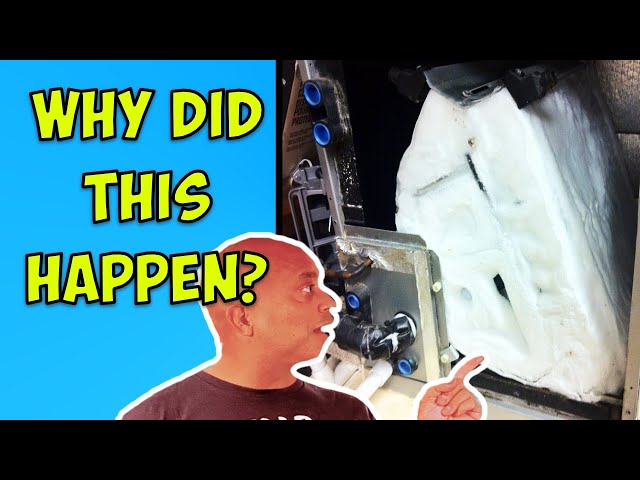
A frozen air handler coil is a common but frustrating problem that can occur with your home’s air conditioning system. The air handler is the indoor unit of your AC system, and its coil is responsible for cooling the air that circulates through your home. When this coil freezes over, it stops working efficiently, leading to warm air blowing from your vents and potentially causing damage to your system. Addressing this issue promptly is crucial to prevent further complications and keep your home cool.
Common Causes of air handler coil frozen
Several factors can lead to a frozen air handler coil. Here are some of the most common culprits:
- Low Refrigerant: Refrigerant is the chemical that cools the air. If it’s low due to a leak, the coil can get too cold and freeze.
- Dirty Air Filter: A clogged filter restricts airflow, making the coil colder and more prone to freezing.
- Restricted Airflow: Blocked vents or closed registers also limit airflow, causing the same issue as a dirty filter.
- Faulty Blower Motor: The blower motor circulates air across the coil. If it’s not working properly, the coil can freeze.
- Low Outdoor Temperature: Running your AC when it’s very cold outside can cause the coil to freeze.
- Dirty Evaporator Coil: Dust and debris on the coil itself can insulate it and reduce its ability to absorb heat, leading to freezing.
- Frozen or Blocked Condensate Drain Line: When the condensate water cannot drain properly, it can cause ice to form.
- Thermostat Malfunction: A thermostat that’s not reading the temperature correctly might cause the AC to run continuously, leading to a frozen coil.
Symptoms Checklist
Here are some telltale signs that your air handler coil might be frozen:
- Warm air blowing from your vents.
- Ice visible on the air handler or refrigerant lines.
- Water leaking from the air handler when the ice melts.
- A hissing or bubbling sound coming from the air handler.
- Your AC unit running constantly without cooling the house.
- Increased energy bills.
How to Fix air handler coil frozen Step-by-Step Guide
Here’s a step-by-step guide to troubleshooting and potentially fixing a frozen air handler coil:
- Turn Off the AC: Immediately turn off your air conditioning system. This will allow the coil to thaw.
- Turn On the Fan: Switch your thermostat to the “Fan Only” setting. This will circulate air across the coil and speed up the thawing process.
- Inspect the Air Filter: Remove the air filter and inspect it for dirt and debris. If it’s dirty, replace it with a new one. A clean filter is essential for proper airflow.
- Check for Blocked Vents: Make sure that all vents in your home are open and unobstructed. Don’t block vents with furniture or other items.
- Inspect the Outdoor Unit: Check the outdoor unit (condenser) for any obstructions, such as leaves, grass, or debris. Clear away any blockages to ensure proper airflow.
- Wait for the Coil to Thaw: Allow several hours for the coil to completely thaw. You can use a hairdryer on a low setting to gently speed up the process, but be careful not to overheat any components. Never use sharp objects to chip off ice.
- Check the Condensate Drain Line: Locate the condensate drain line (usually a PVC pipe near the air handler) and check for any clogs. You can use a wet/dry vacuum to suck out any debris that may be blocking the line.
- Monitor the System: After the coil has thawed, turn the AC back on and monitor its performance. Check if the air is blowing cold and if the coil is freezing again.
- Repeat if Necessary: If the coil freezes again shortly after restarting the AC, it indicates a more serious underlying issue that needs professional attention.
- Consider Ambient Temperature: Avoid running your AC when outdoor temperatures are below 60 degrees Fahrenheit, as this increases the risk of freezing.
Fix the Issue Without Buying Parts
Many times, a frozen air handler coil can be resolved without needing to replace any parts:
- Regular Filter Changes: Make it a habit to change your air filter every 1-3 months, depending on usage and air quality.
- Routine Cleaning: Keep the area around your indoor and outdoor units free from debris.
- Proper Ventilation: Ensure that all vents are open and unobstructed to maintain proper airflow.
- Seasonal Maintenance: Schedule annual HVAC maintenance checks to identify and address potential issues before they become major problems.
- Air Handler Location: Inspect the air handler regularly for signs of ice formation.
When Replacement Might Be Necessary
If the problem persists despite your troubleshooting efforts, it might indicate a more serious issue that requires professional repair or replacement. For example:
- Refrigerant Leak: If the coil continues to freeze despite being thawed and cleaned, it’s likely that there is a refrigerant leak. Repairing a leak and recharging the refrigerant can cost $200-$800.
- Blower Motor Failure: If the blower motor is faulty, it will need to be replaced. Blower motor replacement can range from $300 to $700.
- Evaporator Coil Damage: If the evaporator coil itself is damaged, it may need to be replaced. This can be a costly repair, ranging from $1000 to $2500.
- Compressor Failure While not directly related to the coil freezing, a failing compressor can contribute to cooling problems. Compressor replacement is a major repair and can cost $1500 – $4000.
Safety Warning
- Always turn off the power to the AC unit at the circuit breaker before attempting any repairs.
- Avoid touching any electrical components with wet hands.
- Be careful when using tools around the AC unit to avoid damaging any components.
- If you are uncomfortable working with electrical components, call a qualified HVAC technician.
- Never attempt to repair refrigerant leaks yourself, as handling refrigerant requires specialized equipment and training.
Tools You May Need
Here are some simple tools that might be helpful for troubleshooting a frozen air handler coil:
- Screwdriver (Phillips and flathead)
- Wrench
- Wet/dry vacuum
- Air filter
- Hair dryer (optional)
- Flashlight
FAQ
Here are some frequently asked questions about frozen air handler coils:
-
Q: How long does it take for a frozen coil to thaw?
A: It can take several hours for a frozen coil to thaw completely. Using the “Fan Only” setting on your thermostat can speed up the process. -
Q: Can I use a heater to thaw the coil?
A: It’s not recommended to use a direct heater to thaw the coil as it can cause damage. A hairdryer on a low setting can be used cautiously. -
Q: How often should I change my air filter?
A: It’s generally recommended to change your air filter every 1-3 months, depending on usage and air quality. -
Q: When should I call a professional?
A: If you’ve tried the troubleshooting steps and the coil continues to freeze, or if you suspect a refrigerant leak, it’s best to call a qualified HVAC technician. -
Q: Can a dirty outdoor condenser unit cause the air handler to freeze?
A: Yes, a dirty condenser unit restricts heat exchange, making it harder for the system to cool efficiently and contributing to ice formation on the evaporator coil in the air handler.
Conclusion
A frozen air handler coil can be a real headache, but with a little troubleshooting, you might be able to resolve the issue yourself. Remember to follow the steps outlined in this guide and prioritize safety. If you’re not comfortable working with electrical components or if the problem persists, don’t hesitate to call a qualified HVAC technician. Getting your AC system back up and running efficiently will ensure a comfortable and cool home.
Youtube Video:
Looking for more useful options?
Check out recommended resources that others find helpful.