Introduction
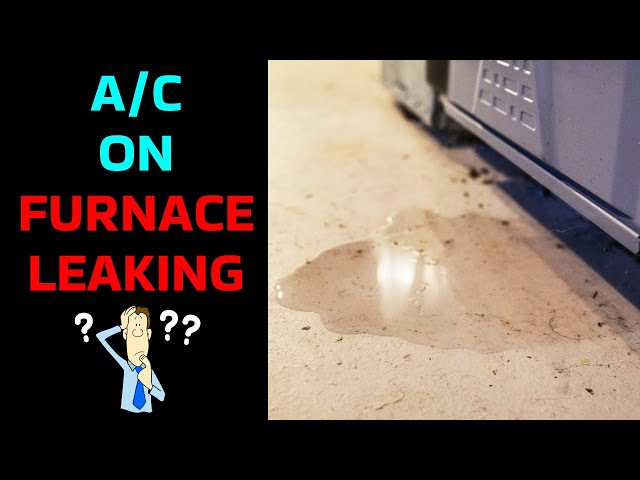
Discovering your AC unit is leaking water from the bottom can be alarming. It’s important to address this problem quickly because continuous water leakage can lead to mold growth, damage to your floors and walls, and even electrical hazards. Often, the issue is relatively minor and fixable without professional help. This guide will walk you through the common causes of AC leaks and provide step-by-step instructions on how to troubleshoot and resolve the problem yourself.
Common Causes of AC Leaking Water From Bottom
Here are some of the most common reasons why your AC might be leaking water:
- Clogged Condensate Drain Line: This is the most frequent culprit. The drain line removes condensation, and if it’s blocked, water will back up and leak.
- Dirty Air Filter: A dirty filter restricts airflow, causing the evaporator coil to freeze. When the ice melts, it overwhelms the drain pan.
- Low Refrigerant Levels: Low refrigerant also causes the evaporator coil to freeze, leading to excess water when it melts.
- Broken or Cracked Drain Pan: The drain pan collects condensation. If it’s damaged, it can’t hold the water effectively.
- Incorrect AC Unit Installation: If the unit isn’t level, water may not drain properly into the pan.
- High Humidity: Excessively humid conditions can increase condensation production, potentially overwhelming the drain system.
- Damaged or Disconnected Drain Line: A physical crack or disconnect in the drain line will cause water to leak before reaching its intended destination.
- Faulty Condensate Pump (Window Units): Some window units use a pump to push water outside. If this pump fails, water can leak.
Symptoms Checklist
Check for these signs to help confirm the AC leak:
- Visible water pooling around the indoor AC unit.
- Dripping sounds coming from the unit.
- Water stains on the ceiling or walls near the AC.
- A musty or moldy odor.
- The AC unit is running, but the room isn’t cooling as effectively.
- Ice formation on the copper lines or evaporator coil.
How to Fix AC Leaking Water From Bottom Step-by-Step Guide
Follow these steps to diagnose and fix the problem:
- Turn Off the AC: For safety, turn off the AC unit at the thermostat and the breaker box.
- Inspect the Air Filter: Remove the air filter and check its condition. If its dirty, replace it with a new one.
- Locate the Condensate Drain Line: It’s usually a PVC pipe exiting the indoor unit, often near the floor.
- Check for Clogs: Disconnect the drain line (if easily accessible) and inspect for blockages. Use a wet/dry vacuum to suck out any clogs.
- Flush the Drain Line: Pour a cup of distilled vinegar into the drain line opening to help dissolve any remaining buildup. Let it sit for 30 minutes, then flush with water.
- Inspect the Drain Pan: Check the drain pan for cracks or damage. Clean the pan if it’s dirty.
- Check the AC Unit’s Level: Use a level to ensure the unit is sitting straight. If not, shim it to make it level.
- Check for Ice Formation: If you see ice on the evaporator coil (the part that gets cold), let it thaw completely before restarting the AC.
- Inspect the Drain Line Connection: Make sure the drain line is securely connected to the AC unit and that there are no visible leaks.
- Clean the Evaporator Coils (If Accessible): If you can safely access the coils, clean them with a coil cleaner to improve airflow.
- Reassemble and Test: Reconnect the drain line, replace the air filter (if you removed it), and turn the AC back on.
- Monitor for Leaks: Watch the AC unit for a few hours to see if the leak returns.
- Check the Condensate Pump (Window Units): If your window unit uses a pump, ensure it is plugged in and functioning correctly. Clean the pump and reservoir.
Fix the Issue Without Buying Parts
Often, you can resolve the leaking issue without buying new parts:
- Regular Cleaning: Clean the air filter and drain line regularly (every 1-3 months) to prevent clogs.
- Vinegar Flush: Periodically flush the drain line with vinegar to prevent algae and mold growth.
- Check the Unit’s Level: Ensure your AC unit remains level to maintain proper drainage.
- Inspect Regularly: Check for early signs of leaks and address them promptly.
When Replacement Might Be Necessary
Sometimes, the issue is beyond a simple fix. You might need to consider replacement if:
- The drain pan is severely cracked or damaged beyond repair. Drain pans can range from $50-$200 depending on the model.
- The evaporator coil is corroded or leaking refrigerant. This is a more complex repair, and a new coil could cost $500-$1500 installed.
- The condensate pump in a window unit is faulty and cannot be repaired. Replacement pumps range from $30 – $100.
Safety Warning
- Always turn off the AC at the breaker box before working on it.
- Avoid touching electrical components while the unit is powered on.
- Be careful when using water and electricity together.
- Clean up any water spills immediately to prevent slips and falls.
Tools You May Need
- Screwdriver
- Wet/Dry Vacuum
- Distilled Vinegar
- Bucket
- Level
- New Air Filter
- Coil Cleaner (optional)
FAQ
Here are some frequently asked questions:
-
Q: Why is my AC leaking even after I cleaned the drain line?
A: There might be a crack in the drain pan or the unit might not be level. Check both. -
Q: How often should I clean my AC’s drain line?
A: Ideally, every 3-6 months, or more frequently if you notice issues. -
Q: Can low refrigerant cause a water leak?
A: Yes, low refrigerant can cause the evaporator coil to freeze, and when it melts, it can cause a leak. -
Q: Is it safe to run my AC while it’s leaking?
A: No, it’s best to turn it off to prevent further damage and potential electrical hazards.
Conclusion
Troubleshooting an AC leak can seem daunting, but by following these steps, you can often identify and fix the problem yourself. Regular maintenance and prompt attention to leaks can save you money and prevent more serious issues down the line. If you’ve tried these steps and the leak persists, it might be time to call a qualified HVAC technician for professional help.
Youtube Video:
Looking for more useful options?
Check out recommended resources that others find helpful.