
Introduction
Finding water leaking from your air conditioner’s pipe can be alarming, but it’s a fairly common issue. This usually indicates a problem with condensation drainage. Excess water can lead to mold growth, water damage to your home, and reduced AC efficiency. Addressing this promptly is key to preventing further complications and saving money on repairs. Explore more in our Air Conditioner Troubleshooting 3 collection.
💡 Technical Key Takeaways:
- Core Focus: Diagnostic schematic and terminal connection layout for Ac Leaking Water From Pipe.
- Target Scope: Field technicians, automotive DIYers, and residential/commercial electricians.
- Safety Rule: Always disconnect the primary power source/battery terminal and verify zero voltage with a multimeter before touching wires.
Common Causes of AC Leaking Water From Pipe
Here are some reasons why your AC might be leaking water:
- Clogged Drain Line: This is the most frequent culprit. Dust, algae, and debris can block the drain line, preventing water from flowing out.
- Dirty Air Filter: A clogged air filter restricts airflow, causing the evaporator coil to freeze. When the ice melts, it overflows the drain pan.
- Low Refrigerant: Low refrigerant can also cause the evaporator coil to freeze. Like a dirty filter, melting ice overwhelms the drain pan.
- Broken Drain Pan: The drain pan itself might be cracked or rusted, leading to leaks.
- Improper Installation: If the AC wasn’t installed correctly, the drain line might not be properly sloped, hindering drainage.
- Condensate Pump Failure (if applicable): Some AC systems use a pump to move condensate water uphill. If this pump fails, water can back up and leak.
- High Humidity: On particularly humid days, the AC might produce more condensation than usual, temporarily exceeding the drain line’s capacity.
- Kinked or Disconnected Drain Line: A kink in the drain line can restrict flow, and a disconnected line will obviously leak.
Symptoms Checklist
Here’s how to identify if your AC is leaking water from the pipe:
- Visible water dripping from the AC unit or pipe.
- Water stains on the ceiling or walls near the AC unit.
- A musty or moldy odor in the room.
- The AC unit is running but not cooling effectively.
- Standing water in the drain pan.
- Water dripping outside where the drain line exits the house.
How to Fix AC Leaking Water From Pipe Step-by-Step Guide
Follow these steps to troubleshoot and fix the leak:
- Turn Off the AC: Before you begin, turn off the AC unit at the thermostat and the breaker to ensure safety.
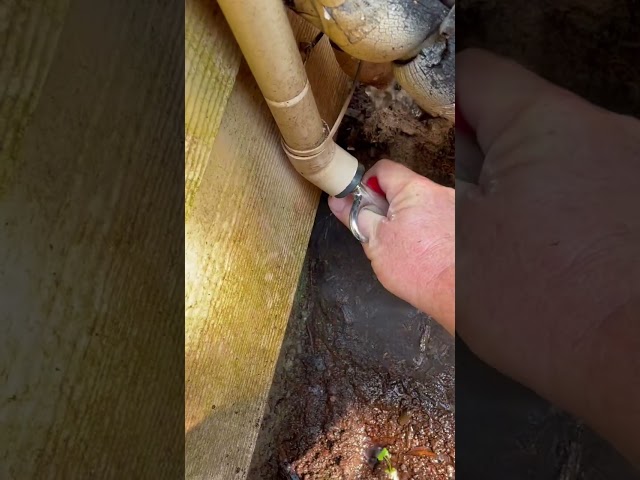
- Locate the Drain Line: Find the PVC pipe that exits your indoor AC unit, usually leading outside.
- Check for Kinks: Inspect the drain line for any kinks or bends that might be restricting water flow. Straighten them out if possible.
- Clear the Drain Line: Use a wet/dry vacuum to suck out any clogs. Place the vacuum hose over the end of the drain line outside and turn it on. Run it for a few minutes to dislodge debris.
- Flush the Drain Line: If vacuuming doesn’t work, try flushing the drain line with a cup of white vinegar. Pour the vinegar slowly into the drain line access point (usually a small opening or vent near the indoor unit). Let it sit for 30 minutes, then flush with water.
- Check the Air Filter: Remove and inspect the air filter. If it’s dirty, replace it with a new one.
- Inspect the Drain Pan: Locate the drain pan under the indoor AC unit. Check for cracks, rust, or overflowing water. If the pan is overflowing, try to soak up the excess water with a towel or wet/dry vacuum.
- Check the Condensate Pump (if applicable): If you have a condensate pump, ensure it’s plugged in and functioning correctly. Listen for the pump running intermittently. If it’s not working, try resetting it by unplugging it for a few minutes and plugging it back in.
- Clean the Drain Pan: If accessible, clean the drain pan with a mixture of water and bleach to prevent algae growth. Wear gloves and eye protection.
- Check the AC Unit’s Level: Make sure the indoor AC unit is level. If it’s tilted, water might not drain properly. Use shims to level the unit if necessary.
- Restart the AC: After completing these steps, turn the AC back on and monitor for leaks.
- Repeat if Necessary: If the leak persists, repeat the steps above, paying close attention to the drain line and drain pan.
Fix the Issue Without Buying Parts
Many times, you can resolve the leak without spending any money:
- Regular Cleaning: Schedule regular AC maintenance, including cleaning the air filter and drain line, to prevent clogs.
- Vinegar Flush: Periodically flush the drain line with white vinegar to prevent algae and mold growth.
- Visual Inspection: Regularly inspect the AC unit and drain line for any signs of leaks or damage.
- Reset the System: Turn off the AC at the breaker for 30 minutes to reset the system.
When Replacement Might Be Necessary
In some cases, replacement of parts or the entire unit might be necessary:
- Cracked Drain Pan: If the drain pan is severely cracked or rusted, it needs to be replaced. Expect to pay $50-$200 for a new drain pan plus labor if you hire a professional.
- Faulty Condensate Pump: If the condensate pump fails and cannot be reset, it needs to be replaced. New condensate pumps cost between $30-$150.
- Severe Refrigerant Leak: If you suspect a refrigerant leak, it’s best to call a professional. Refrigerant leaks can be difficult and dangerous to repair yourself. Refilling refrigerant can cost $150-$400 depending on the type and amount needed.
- Old or Inefficient AC Unit: If your AC unit is old and inefficient, consider replacing it with a new, energy-efficient model. This is a significant investment, ranging from $3,000 to $7,000 installed, but it can save you money on energy bills in the long run.
Safety Warning
Keep these safety precautions in mind:
- Always turn off the AC unit at the breaker before performing any maintenance.
- Avoid contact with electrical components.
- Be careful when working with water to avoid slips and falls.
- Wear gloves and eye protection when cleaning the drain pan with bleach.
- If you’re not comfortable performing any of these steps, call a qualified HVAC technician.
Tools You May Need
Here’s a list of tools that can be helpful:
- Wet/dry vacuum
- White vinegar
- Screwdriver
- Wrench
- Gloves
- Eye protection
- Shims
- Towels
FAQ
Here are some common questions about AC leaks:
-
Q: Why is my AC leaking water even after I cleaned the drain line?
A: There might be a hidden clog or a crack in the drain pan. Check the drain pan carefully. -
Q: How often should I clean my AC drain line?
A: At least twice a year, preferably at the beginning and end of the cooling season. -
Q: Is it safe to run my AC if it’s leaking water?
A: No, it’s best to turn off the AC to prevent further damage. The water can damage the inside of the system and grow mold. -
Q: Can I use bleach to clean the drain line?
A: While bleach can be used to clean the drain pan, vinegar is recommended for the drain line to prevent corrosion.
Conclusion
Dealing with an AC leaking water from the pipe can seem daunting, but many times, the fix is simple and within your reach. By following these troubleshooting steps, you can often resolve the issue yourself, saving time and money. However, if you’re uncomfortable with any of these steps or if the problem persists, don’t hesitate to call a qualified HVAC technician. A professional can diagnose and repair more complex issues to keep your AC running efficiently and prevent further damage to your home.
Youtube Video:
Quick Wiring Specifications & Terminal Guide
| Component / Circuit | Standard Wire Gauge | Recommended Protection |
|---|---|---|
| Control & Trigger Signals | 18 – 20 AWG | 5A – 7.5A Inline Fuse |
| Standard Auxiliary Load | 14 – 16 AWG | 15A – 20A Circuit Breaker |
| Main Power Feed / Supply | 10 – 12 AWG | 30A – 40A Heavy-Duty Relay |
