
Introduction
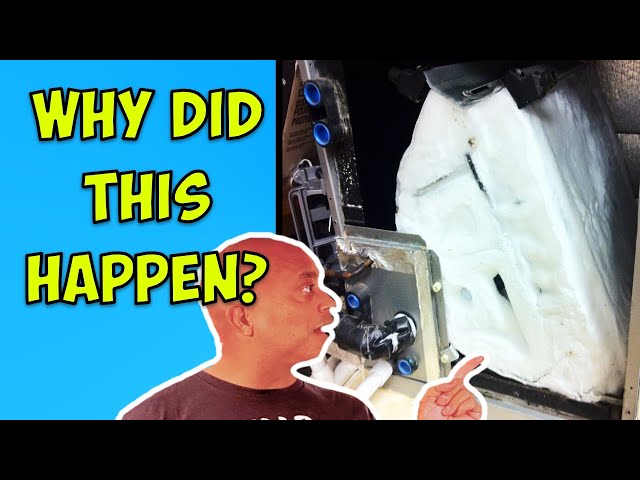
Frozen AC coils are a common problem that can stop your air conditioner from cooling your home effectively. Essentially, the evaporator coils inside your AC unit, which are designed to absorb heat, become covered in ice. This blockage prevents proper airflow and hinders the cooling process. This often happens during periods of high humidity or when the AC is working extra hard. Addressing frozen coils quickly is important, because running your AC with this condition can damage the system and lead to more expensive repairs down the road. Explore more in our Air Conditioner Troubleshooting 2 collection.
💡 Technical Key Takeaways:
- Core Focus: Diagnostic schematic and terminal connection layout for Ac Has Frozen Coils.
- Target Scope: Field technicians, automotive DIYers, and residential/commercial electricians.
- Safety Rule: Always disconnect the primary power source/battery terminal and verify zero voltage with a multimeter before touching wires.
Common Causes of AC Has Frozen Coils
Here are some of the most frequent reasons why your AC coils might be freezing up:
- Low Refrigerant: If your AC is low on refrigerant, the pressure inside the system drops, causing the coils to become too cold.
- Dirty Air Filter: A clogged air filter restricts airflow over the coils, making them freeze.
- Restricted Airflow: Blocked vents or furniture obstructing the airflow can also cause freezing.
- Dirty Evaporator Coils: Dust and grime on the coils themselves can act as insulation, leading to freezing.
- Faulty Blower Motor: If the blower motor isn’t working correctly, it won’t circulate enough warm air over the coils.
- Leaky Ductwork: Leaks in your ductwork can let warm, humid air into the system, causing ice to form.
- Outside Temperature Too Low: Running your AC when the outdoor temperature is too low (below 60 degrees Fahrenheit) can cause the coils to freeze.
- Thermostat Issues: A malfunctioning thermostat can cause the AC to run constantly, leading to frozen coils.
Symptoms Checklist
Use this checklist to help identify if your AC coils are indeed frozen:
- Weak or no airflow coming from vents.
- Visible ice buildup on the indoor AC unit (evaporator coil).
- Warm air blowing from vents when the AC is set to cool.
- Water leaks around the indoor AC unit.
- The AC unit runs constantly without shutting off.
- Unusually high energy bills.
How to Fix AC Has Frozen Coils Step-by-Step Guide
Follow these steps to troubleshoot your frozen AC coils:
- Turn Off the AC: Immediately turn off your AC system at the thermostat. This prevents further damage and allows the ice to thaw. Switch the thermostat to “Off” not just turning down the temperature.
- Turn On the Fan: Set the thermostat to “Fan Only.” This will circulate air over the frozen coils, helping them to thaw faster.
- Inspect the Air Filter: Locate your air filter (usually in the indoor unit or a wall/ceiling vent). If it’s dirty, replace it with a new one.
- Check Airflow: Make sure all vents are open and unobstructed by furniture or other objects.
- Wait for Thawing: Allow several hours (or even overnight) for the coils to completely thaw. You might need to use towels to catch any melting water.
- Inspect the Coils (If Accessible): If you can safely access the evaporator coils, check for visible dirt and debris. (Warning: do not touch without ensuring the unit is powered off)
- Clean the Coils (If Necessary and Accessible): If the coils are dirty, you can gently clean them with a soft brush or vacuum cleaner attachment. Be careful not to damage the delicate fins.
- Turn the AC Back On: After the coils have completely thawed and you’ve addressed any airflow issues, turn the AC back on.
- Monitor Performance: Observe the AC’s performance closely. Check if the airflow is stronger and if the air is cooling properly.
- Check for Leaks: After running the AC for a while, inspect around the indoor unit for any water leaks.
- Repeat If Necessary: If the coils freeze again shortly after restarting, there’s likely an underlying problem that needs further investigation.
- Check Ductwork (Visually): If accessible, inspect any visible ductwork for obvious tears or disconnections.
Fix the Issue Without Buying Parts
You can try these free methods before considering any replacement parts:
- Reset the System: Turn off the AC at the breaker for 30 minutes, then turn it back on. This can sometimes reset a malfunctioning control board.
- Thorough Cleaning: Beyond the air filter, clean around the outdoor unit, removing leaves, grass clippings, and other debris that might be blocking airflow.
- Inspect for Obstructions: Walk around your home and ensure that furniture, curtains, or rugs aren’t blocking vents.
- Seasonal Maintenance: Make it a habit to regularly inspect and clean your AC unit, especially before the cooling season.
When Replacement Might Be Necessary
If the problem persists after trying the above steps, a component may need replacement. Here are a few possibilities:. For more related activities, check out our Ac Condenser Unit Freezing Up.
- Refrigerant Leak Repair & Recharge: Requires a certified technician to find and fix the leak, then recharge the system with refrigerant (Cost: $200 – $1500 depending on leak severity).
- Blower Motor Replacement: If the blower motor is faulty, it needs to be replaced (Cost: $200 – $800).
- Thermostat Replacement: A malfunctioning thermostat can cause continuous AC operation (Cost: $75 – $300).
Safety Warning
Please be aware of the following safety precautions:
- Unplug the AC: Before attempting any cleaning or inspection, always disconnect the power to the AC unit at the breaker.
- Avoid Wet Floors: Be careful of slippery floors due to melting ice. Clean up any water spills immediately.
- Don’t Touch Electrical Components: Unless you are qualified, avoid touching any electrical components inside the AC unit.
- Call a Professional: If you are uncomfortable with any of these steps or suspect a more serious problem, call a qualified HVAC technician.
Tools You May Need
Here’s a simple list of tools that might come in handy:
- Screwdriver (Phillips and flathead)
- Vacuum cleaner with hose attachment
- Soft brush
- New air filter
- Towels
FAQ
Here are some frequently asked questions:
- Q: How often should I change my air filter? A: Typically, every 1-3 months, or more often if you have pets or allergies.
- Q: Can I use a garden hose to clean my AC coils? A: No, using a garden hose can damage the coils and electrical components.
- Q: What if the ice is only on part of the coils? A: This still indicates a problem, likely related to airflow or refrigerant levels.
- Q: How do I know if my AC has a refrigerant leak? A: Signs include weak cooling, hissing noises, and visible oily residue near the refrigerant lines. You’ll need a professional to confirm the leak.
Conclusion
Troubleshooting frozen AC coils can often be resolved with simple DIY steps like cleaning the filter and ensuring proper airflow. However, if the problem persists after these efforts, it’s best to consult a qualified HVAC technician. Addressing this issue promptly can prevent further damage and keep your AC running efficiently all season long!. Discover more free resources across our collection library.
Youtube Video:
Quick Wiring Specifications & Terminal Guide
| Component / Circuit | Standard Wire Gauge | Recommended Protection |
|---|---|---|
| Control & Trigger Signals | 18 – 20 AWG | 5A – 7.5A Inline Fuse |
| Standard Auxiliary Load | 14 – 16 AWG | 15A – 20A Circuit Breaker |
| Main Power Feed / Supply | 10 – 12 AWG | 30A – 40A Heavy-Duty Relay |
