Introduction
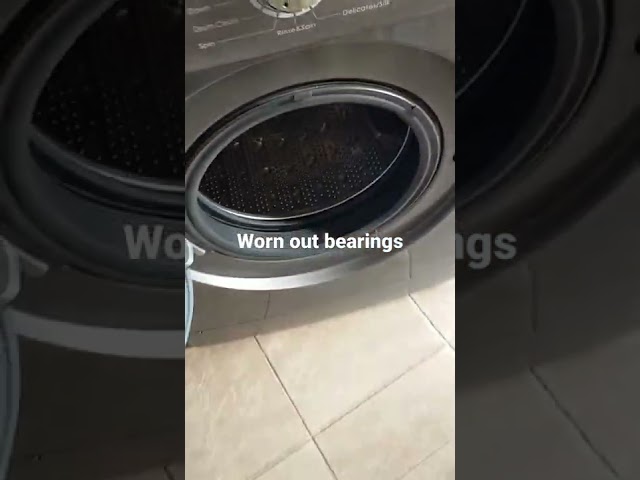
Is your washing machine making a racket during its spin cycle? A common culprit behind loud grinding, rumbling, or screeching noises is worn or damaged bearings. Bearings are essential parts that allow the drum of your washing machine to spin smoothly. When they wear down, they can cause significant noise and, if left unaddressed, can lead to more serious problems and eventually damage other components of your washing machine. Addressing noisy bearings promptly can save you from costly repairs or even needing a new washing machine. This guide will walk you through the most common causes and simple troubleshooting steps to help you identify and potentially resolve the issue yourself.
Common Causes of Noisy Washing Machine Bearings
Here are some typical reasons why your washing machine bearings might be making noise:
- Age and Wear: Like any mechanical part, bearings wear down over time due to constant use.
- Overloading the Machine: Consistently washing loads that are too large puts excessive strain on the bearings.
- Unbalanced Loads: Clothes clumping together on one side can cause the drum to wobble, stressing the bearings.
- Water Leaks: Leaks can seep into the bearings, washing away the grease and causing them to rust and fail.
- Hard Water: Mineral deposits from hard water can damage the bearings over time.
- Detergent Buildup: Excess detergent can create friction and wear on the bearings.
- Foreign Objects: Small objects like coins or buttons can get lodged between the drum and tub, causing noise and potential damage to the bearings.
- Lack of Lubrication: The grease inside the bearings can dry out over time, leading to increased friction and noise.
Symptoms Checklist
Here’s how to tell if your noisy washing machine is likely due to bad bearings:
- Loud Grinding or Rumbling Noise: Especially during the spin cycle.
- Squealing or Screeching Sounds: Could also be present during the spin cycle.
- Excessive Vibration: The washing machine shakes more than usual.
- Drum Wobbles or Has Play: When you manually move the drum, it feels loose or wobbly.
- Rust Stains: You might see rust or discoloration around the center of the drum.
- Burning Smell: In severe cases, you may notice a burning smell due to excessive friction.
How to Fix Noisy Washing Machine Bearings Step-by-Step Guide
Here’s a systematic approach to diagnosing and addressing noisy washing machine bearings. Remember safety first, unplug your washing machine before proceeding!
- Unplug the Washing Machine: Disconnect the power cord from the outlet for safety.
- Check for Obstructions: Inspect the drum and tub for any visible objects like coins, buttons, or clothing items that might be causing the noise.
- Spin the Drum Manually: With the machine unplugged, try rotating the drum by hand. Listen carefully for any grinding or rumbling sounds.
- Feel for Play in the Drum: Try to move the drum up and down and side to side. Excessive play indicates worn bearings.
- Check the Suspension Springs: Make sure the suspension springs (if your machine has them) are in good condition and properly supporting the tub.
- Inspect the Drive Pulley: Located at the back of the machine. Check that the pulley is tight and undamaged.
- Check the Drive Belt: Ensure the drive belt is properly tensioned and not worn or cracked.
- Inspect the Motor Coupling: If your machine has a motor coupling, make sure it is in good condition and not damaged.
- Check for Leaks: Look for signs of water leakage around the bearings. Leaks can significantly shorten bearing life.
- Listen Carefully: During a wash cycle (with a small load) try to pinpoint the exact location of the noise.
- Consider Load Size: Reduce the load size to see if the noise diminishes. Overloading is a common cause of bearing stress.
- Balance the Machine: Ensure your washing machine is level on the floor. Use a level to adjust the feet as necessary.
Fix the Issue Without Buying Parts
Before resorting to replacement parts, try these free and simple fixes:
- Level the Machine: A wobbly machine can stress the bearings. Use a level and adjust the feet until the machine is stable.
- Reduce Load Size: Overloading is a major cause of bearing wear. Wash smaller loads.
- Clean the Dispenser: Buildup in the dispenser can cause imbalances. Clean it regularly.
- Inspect Hoses: Make sure the water inlet and drain hoses are not kinked or blocked, as this can affect the machine’s balance.
- Run an Empty Cycle with Vinegar: This can help remove mineral deposits and detergent buildup that might be contributing to the noise.
When Replacement Might Be Necessary
If the noise persists after trying the above steps, the bearings may be damaged beyond repair and need to be replaced. Replacing bearings is a more involved repair that often requires specialized tools and knowledge. The cost to have a technician replace the bearings can range from $200 to $500, depending on the machine model and labor costs. Parts that commonly fail along with the bearings include the rear drum assembly and the drum seal.
Safety Warning
- Always unplug the washing machine before attempting any repairs.
- Be careful when lifting or moving heavy parts.
- If you’re not comfortable performing the repair yourself, consult a qualified appliance technician.
- Keep children and pets away from the work area.
- Avoid working on a wet floor.
Tools You May Need
- Screwdrivers (Phillips and flathead)
- Socket set
- Pliers
- Wrench set
- Hammer
- Multimeter (for electrical testing, if needed)
- Level
- Gloves
- Safety glasses
FAQ
Here are some frequently asked questions about noisy washing machine bearings:
-
Q: How long do washing machine bearings typically last?
A: With proper use and maintenance, they can last anywhere from 5 to 10 years. -
Q: Can I still use my washing machine if the bearings are noisy?
A: It’s not recommended. Continuing to use the machine with noisy bearings can cause further damage and potentially lead to a complete breakdown. -
Q: Is replacing the bearings a difficult repair?
A: It can be challenging, especially for those with limited appliance repair experience. -
Q: Why are my bearings making noise only during the spin cycle?
A: The spin cycle puts the most stress on the bearings due to the high speeds involved.
Conclusion
Addressing noisy washing machine bearings promptly can prevent further damage and extend the life of your appliance. By following the troubleshooting steps outlined in this guide, you can often identify and resolve the issue yourself. However, if the problem persists or you’re uncomfortable performing the repairs, don’t hesitate to contact a qualified appliance technician. Remember, a little maintenance can go a long way in keeping your washing machine running smoothly!
Youtube Video:
Looking for more useful options?
Check out recommended resources that others find helpful.