
Introduction
It’s frustrating when your Maytag washer fills with water and then immediately drains it without starting the wash cycle. This issue can waste water, prevent you from washing your clothes, and leave you with a mess. It often happens when the drain hose is positioned incorrectly, or there’s a problem with the drain pump or other internal components. Addressing this issue promptly can prevent further damage to your washing machine and save you money on water bills.
💡 Technical Key Takeaways:
- Core Focus: Diagnostic schematic and terminal connection layout for Maytag Washer Fills Then Drains.
- Target Scope: Field technicians, automotive DIYers, and residential/commercial electricians.
- Safety Rule: Always disconnect the primary power source/battery terminal and verify zero voltage with a multimeter before touching wires.
Common Causes of Maytag Washer Fills Then Drains
Here are some of the most common reasons why your Maytag washer might be filling and then draining:. For more related activities, check out our My Lg Front Load Washer Won T Turn On.
- Incorrect Drain Hose Height: The drain hose might be too low, causing water to siphon out.
- Drain Hose Inserted Too Far into the Drain Pipe: Pushing the hose too far in can also cause siphoning.
- Clogged Drain Hose: A blockage in the drain hose can create a vacuum effect.
- Faulty Drain Valve/Pump: A malfunctioning drain valve or pump may not be sealing properly.
- Siphon Effect: Air pressure imbalances within the drain system can cause water to siphon.
- Pressure Switch Issues: The pressure switch might be malfunctioning and not signaling the washer that its full.
- Control Board Malfunction: A rare but possible cause is a problem with the washer’s electronic control board.
- Tilted Washer: If the washer isn’t level, gravity can work against you.
Symptoms Checklist
Here are some symptoms that can help you diagnose the problem:
- Washer fills normally but immediately begins to drain.
- Washer fills, drains, and displays an error code.
- Washer fills slowly and drains simultaneously.
- The drain pump runs constantly.
- Water drains even when the washer is turned off.
How to Fix Maytag Washer Fills Then Drains Step-by-Step Guide
Follow these steps to troubleshoot and fix the problem:
- Unplug the Washer: Before you start any troubleshooting, unplug the washer from the power outlet for safety.
- Check the Drain Hose Height: The drain hose should be between 30 and 96 inches above the floor. Adjust the hose height if necessary.
- Adjust the Drain Hose Insertion: Make sure the drain hose is not pushed too far into the drain pipe. Only a few inches should be inserted.
- Inspect the Drain Hose for Clogs: Disconnect the drain hose from both the washer and the drain pipe. Check for any visible clogs or kinks. Flush the hose with water to remove any obstructions.
- Check the Drain Pipe: Pour water into the drain pipe to ensure it drains freely. If it drains slowly, there might be a clog in the house’s plumbing.
- Level the Washer: Use a level to check if the washer is level. Adjust the leveling feet at the bottom of the washer until it is perfectly level.
- Check for Siphoning: Ensure the drain hose has an air gap. This is typically a gap between the end of the drain hose and the drain pipe to prevent siphoning.
- Reset the Washer: Sometimes, a simple reset can resolve the issue. Unplug the washer for 5-10 minutes, then plug it back in.
- Run a Calibration Cycle (if applicable): Some Maytag washers have a calibration cycle. Consult your owner’s manual for instructions on how to run this cycle.
- Inspect the Drain Pump Filter: Locate the drain pump filter (usually at the bottom front of the washer behind a small access panel). Carefully remove the filter and clean any debris.
- Check the Water Inlet Valve Hoses: Ensure that the hot and cold water inlet hoses are properly connected and not leaking. Sometimes a minor leak at the inlet can cause pressure issues.
Fix the Issue Without Buying Parts
Many times, you can fix this problem without replacing any parts:
- Resetting the Washer: As mentioned above, a simple reset can often resolve temporary glitches.
- Cleaning the Drain Hose and Filter: Removing clogs can restore proper draining.
- Recalibrating the Washer: Running a calibration cycle (if available) can help the washer relearn its settings.
- Checking the Drain Hose Setup: Making sure the drain hose is at the correct height and not inserted too far into the drain pipe can prevent siphoning.
- Leveling the Washer: Ensuring the washer is level can help prevent gravity from working against you.
When Replacement Might Be Necessary
If you’ve tried all the above steps and the washer still fills and drains, you might need to replace a part. Common parts that fail include the drain pump (estimated cost $50-$150 USD), the drain valve (estimated cost $30-$80 USD), or the pressure switch (estimated cost $40-$90 USD). If you suspect the control board is the problem, it’s best to call a qualified technician for diagnosis and repair, as control boards are expensive and require specialized knowledge.
Safety Warning
- Always unplug the washer from the power outlet before performing any troubleshooting or repairs.
- Be careful when handling water and electrical components. Avoid creating a wet environment.
- If you are not comfortable working with electrical appliances, call a qualified technician.
- Wear gloves when handling potentially dirty or contaminated water.
Tools You May Need
- Screwdrivers (Phillips and flathead)
- Pliers
- Adjustable wrench
- Level
- Bucket
- Towels
FAQ
Here are some frequently asked questions:
- Q: Why does my washer keep draining even when it’s off? A: This is likely due to a siphoning issue caused by an incorrectly positioned drain hose or a faulty drain valve.
- Q: How do I know if my drain pump is bad? A: If the drain pump is making unusual noises, not draining water effectively, or showing signs of leakage, it might be failing.
- Q: Can a clogged drain hose cause this problem? A: Yes, a clogged drain hose can create a vacuum effect that causes water to siphon out.
- Q: What is a calibration cycle and how do I run it? A: A calibration cycle helps the washer relearn its settings. Consult your owner’s manual for specific instructions, as the process varies by model.
Conclusion
Troubleshooting a Maytag washer that fills and drains immediately can seem daunting, but by following these steps, you can often identify and resolve the issue yourself. Start with the simple solutions, such as checking the drain hose and leveling the washer. If those don’t work, consider more advanced troubleshooting. Before calling a technician, be sure you’ve explored all the free solutions offered here. With a little patience and effort, you can get your washer back in working order!
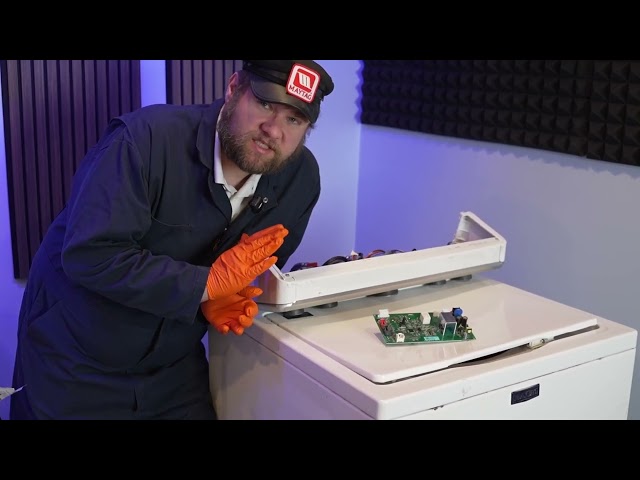
Youtube Video:
Quick Wiring Specifications & Terminal Guide
| Component / Circuit | Standard Wire Gauge | Recommended Protection |
|---|---|---|
| Control & Trigger Signals | 18 – 20 AWG | 5A – 7.5A Inline Fuse |
| Standard Auxiliary Load | 14 – 16 AWG | 15A – 20A Circuit Breaker |
| Main Power Feed / Supply | 10 – 12 AWG | 30A – 40A Heavy-Duty Relay |
Images References
Looking for more diagnostic guides? Explore our complete Washing Machine Problems 4 section for step-by-step troubleshooting solutions.
