
Introduction
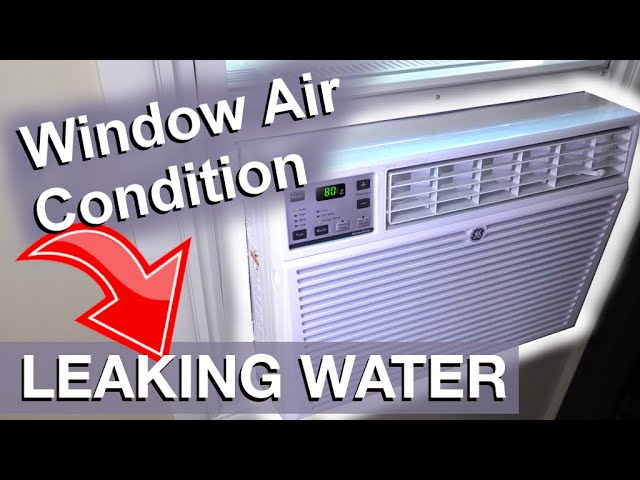
Is your window air conditioner suddenly spitting water inside your home? This can be a frustrating and messy problem, and if left unaddressed, it can lead to water damage to your walls and floors. The good news is that in many cases, you can troubleshoot and fix the issue yourself without needing to call a professional. This guide will walk you through the common causes of a window AC spitting water and provide step-by-step instructions to get your unit working correctly again. Addressing this promptly prevents mold growth and further costly repairs.
💡 Technical Key Takeaways:
- Core Focus: Diagnostic schematic and terminal connection layout for Window Ac Spitting Water.
- Target Scope: Field technicians, automotive DIYers, and residential/commercial electricians.
- Safety Rule: Always disconnect the primary power source/battery terminal and verify zero voltage with a multimeter before touching wires.
Common Causes of Window AC Spitting Water
Here are some of the most frequent reasons why your window AC might be ejecting water:
- Clogged Drain: This is the most common culprit. Dust, dirt, and debris can accumulate in the drain, preventing water from escaping.
- Incorrect Installation Angle: Window ACs need to be slightly tilted outwards to allow condensation to drain properly.
- Dirty Air Filter: A clogged air filter restricts airflow, causing the evaporator coil to freeze up. When the ice melts, it can overwhelm the drainage system.
- Damaged Drain Pan: The drain pan collects condensation. If it’s cracked or damaged, it can leak and appear as though the AC is spitting water.
- Frozen Evaporator Coils: As mentioned above, restricted airflow or a refrigerant issue can cause the coils to freeze, leading to excess water when they thaw.
- Bent Fins: Damaged fins on the evaporator coils can also contribute to ice buildup.
- High Humidity: In very humid conditions, the AC may produce more condensation than it can handle, leading to some water spillage.
- Refrigerant Leak: While less common, a refrigerant leak can cause the evaporator coils to become excessively cold, leading to freezing and subsequent water leakage.
Symptoms Checklist
Use this checklist to confirm the issue and identify potential causes:
- Water dripping or spraying from the front of the AC unit.
- Excessive moisture around the AC unit.
- The AC unit is making gurgling noises.
- Ice buildup visible on the evaporator coils (you may need to remove the front panel to check).
- The AC is not cooling as effectively as usual.
- A musty odor coming from the AC unit.
How to Fix Window AC Spitting Water Step-by-Step Guide
Follow these steps to diagnose and fix the problem:
- Unplug the AC Unit: Safety first! Disconnect the power cord from the outlet.
- Check the Installation Angle: Ensure the AC is slightly tilted downwards towards the outside. Use a level to verify. Adjust as needed.
- Clean the Air Filter: Remove the air filter (usually located behind the front panel) and wash it with mild soap and water. Allow it to dry completely before reinstalling.
- Locate the Drain Hole: The drain hole is usually located at the back of the unit, either inside or outside. Refer to your AC’s manual if you can’t find it.
- Clear the Drain Hole: Use a stiff wire, pipe cleaner, or even a straightened paperclip to gently clear any obstructions in the drain hole.
- Flush the Drain Pan: Pour a cup of warm water mixed with a little bleach into the drain pan (if accessible) to dissolve any remaining debris.
- Check for Ice Buildup: If you suspect frozen coils, turn off the AC and let it thaw completely. This may take several hours.
- Straighten Bent Fins: If you see bent fins on the evaporator coils, carefully straighten them with a fin comb (available at most hardware stores).
- Inspect the Drain Pan: Carefully examine the drain pan for cracks or damage. If you find any, you might need to replace it (although you can try a temporary patch).
- Clean the Coils: Use a vacuum cleaner with a brush attachment to remove dust and debris from the evaporator and condenser coils (located on the inside and outside of the unit, respectively). Be gentle to avoid damaging the fins.
- Reassemble the AC Unit: Once everything is clean and dry, reassemble the AC unit.
- Plug it Back In: Plug the AC unit back into the outlet.
- Test the AC: Turn on the AC and observe it for a while. Check if the water spitting problem is resolved.
- Monitor for Leaks: Keep an eye on the area around the AC unit for any signs of water leakage.
- Repeat if Necessary: If the problem persists, repeat the steps above or consider calling a qualified technician.
Fix the Issue Without Buying Parts
Often, you can resolve the issue of a window AC spitting water without buying any new parts:
- Reset the AC: Unplug the unit for 15 minutes, then plug it back in. This can sometimes reset the internal controls.
- Deep Cleaning: A thorough cleaning of the air filter, coils, and drain path often solves the problem.
- Proper Installation: Ensuring the correct outward tilt is crucial for proper drainage.
- Regular Maintenance: Clean the air filter monthly and inspect the unit regularly for any signs of problems.
When Replacement Might Be Necessary
If you’ve tried all the troubleshooting steps and your window AC continues to spit water, it might be time to consider a replacement. This is especially true if:
- The drain pan is severely damaged and cannot be repaired.
- The compressor is failing.
- The unit is very old and inefficient.
- There’s a refrigerant leak that’s too costly to repair.
A new window AC unit can range in price from $150 to $500 USD, depending on the size and features.
Safety Warning
Please take these safety precautions seriously:
- Always unplug the AC unit before performing any maintenance or repairs.
- Avoid working with electrical components if you are not comfortable or experienced.
- Be careful when handling sharp objects or tools.
- Clean up any spilled water to prevent slips and falls.
- If you suspect a refrigerant leak, do not attempt to repair it yourself. Contact a qualified technician.
Tools You May Need
Here’s a list of helpful tools for troubleshooting and repairing your window AC:
- Screwdriver (Phillips and flathead)
- Stiff wire or pipe cleaner
- Fin comb
- Vacuum cleaner with brush attachment
- Mild soap and water
- Level
- Flashlight
FAQ
Here are some frequently asked questions about window ACs spitting water:
- Q: Why is my new AC spitting water? A: Even new ACs can have clogged drains or be improperly installed. Check the tilt and the drain hole.
- Q: How often should I clean my AC filter? A: At least once a month, or more often if you have pets or live in a dusty environment.
- Q: Can I use compressed air to clean the coils? A: Yes, but use it carefully and at a low pressure to avoid damaging the fins.
- Q: What if I can’t find the drain hole? A: Consult your AC’s owner’s manual for the exact location. It may be hidden behind a panel.
Conclusion
Don’t let a window AC spitting water ruin your comfort! By following these steps, you can often diagnose and fix the problem yourself, saving time and money. Remember to prioritize safety and don’t hesitate to call a qualified technician if you’re not comfortable performing the repairs yourself. With a little effort, you can get your AC working efficiently and keep your home cool and dry.
Youtube Video:
Quick Wiring Specifications & Terminal Guide
| Component / Circuit | Standard Wire Gauge | Recommended Protection |
|---|---|---|
| Control & Trigger Signals | 18 – 20 AWG | 5A – 7.5A Inline Fuse |
| Standard Auxiliary Load | 14 – 16 AWG | 15A – 20A Circuit Breaker |
| Main Power Feed / Supply | 10 – 12 AWG | 30A – 40A Heavy-Duty Relay |
Images References
Looking for more diagnostic guides? Explore our complete Air Conditioner Troubleshooting 6 section for step-by-step troubleshooting solutions.
