
Is your Candy washing machine refusing to fill up with water? This guide will walk you through troubleshooting steps to resolve the issue yourself. Explore more in our Washing Machine Problems 2 collection.
💡 Technical Key Takeaways:
- Core Focus: Diagnostic schematic and terminal connection layout for Candy Washing Machine Not Filling With Water.
- Target Scope: Field technicians, automotive DIYers, and residential/commercial electricians.
- Safety Rule: Always disconnect the primary power source/battery terminal and verify zero voltage with a multimeter before touching wires.
Introduction
A washing machine that won’t fill with water is a major inconvenience. Imagine loading your laundry, adding detergent, and pressing start, only to find your clothes staying stubbornly dry. This problem can arise unexpectedly, leading to delays and frustration. Addressing this issue promptly is essential to prevent potential damage to your appliance and avoid further disruption to your laundry routine. For more related activities, check out our Bush Washing Machine Not Filling With Water.
Common Causes of Candy Washing Machine Not Filling With Water
Here are some of the most frequent reasons why your Candy washing machine might not be filling:
- Closed Water Supply Valves: The valves providing water to your machine might be accidentally turned off.
- Kinked or Blocked Inlet Hoses: The hoses connecting the water supply to the machine can become kinked, restricting water flow, or blocked with debris.
- Clogged Inlet Filters: Small filters where the inlet hoses connect to the machine can become clogged with sediment, preventing water from entering.
- Faulty Water Inlet Valve: This valve controls the flow of water into the machine. If it’s defective, it may not open properly.
- Defective Lid Switch: If your machine has a lid switch that prevents operation when the lid is open, a faulty switch can trick the machine into thinking the lid is open.
- Low Water Pressure: Insufficient water pressure from your home’s plumbing can prevent the machine from filling correctly.
- Malfunctioning Water Level Sensor/Pressure Switch: This sensor tells the machine when it has enough water. If it’s faulty, it might stop the filling process prematurely or prevent it from starting at all.
- Problem With the Control Board: Though less common, a malfunctioning control board can sometimes cause filling issues.
Symptoms Checklist
Use this checklist to accurately identify the problem:
- The washing machine starts, but no water enters the drum.
- The machine hums or makes a noise, but the drum remains dry.
- The machine fills very slowly, or only a trickle of water enters.
- You see an error code related to water filling or water pressure on the display.
- Water enters for a second, then stops immediately.
- The machine starts, but stops and flashes an error code a few minutes later.
How to Fix Candy Washing Machine Not Filling With Water Step-by-Step Guide
Follow these steps to troubleshoot and fix the issue:
- Check the Water Supply Valves: Ensure both the hot and cold water supply valves behind the washing machine are fully open.
- Inspect the Inlet Hoses: Look for any kinks or bends in the hoses. Straighten them out to ensure unrestricted water flow.
- Check for Hose Blockages: Disconnect the inlet hoses from both the water supply and the washing machine. Inspect the hose ends for any visible debris or blockages. Flush the hoses with water to clear any obstructions.
- Clean the Inlet Filters: Locate the small filters where the inlet hoses connect to the washing machine. Carefully remove them and clean them under running water with a soft brush. Reinstall the filters securely.
- Test Water Pressure: Connect a hose to the water supply valve and check the water pressure. It should be strong and steady. If the pressure is low, contact a plumber.
- Check the Lid Switch (If Applicable): For top-loading machines, ensure the lid switch is functioning correctly. You may be able to visually inspect it, or test with a multimeter if you have experience.
- Run a Test Cycle: After completing the above steps, run a short wash cycle to see if the machine now fills with water.
- Check drain hose: Verify the drain hose is not inserted too far into the drain pipe as this can create a siphon and cause the machine to drain as its filling.
- Check the timer switch on older models: If your machine is an older model check the timer to make sure that the machine is actually in the fill stage.
- Inspect for Leaks: While the machine is filling, check for any leaks around the hose connections and the washing machine itself.
Fix the Issue Without Buying Parts
Sometimes, simple solutions can resolve the problem without the need for replacements:
- Reset the Machine: Unplug the washing machine from the power outlet for 5-10 minutes. Then, plug it back in and try running a cycle. This can sometimes reset the control board and resolve minor issues.
- Regular Cleaning: Clean your washing machine regularly by running an empty cycle with a washing machine cleaner or a mixture of vinegar and baking soda. This helps prevent buildup and blockages.
- Water Pressure Awareness: Be mindful of water usage during peak hours. Avoid running the washing machine when other appliances are heavily using water.
- Inspection: Regularly inspect the hoses and connections for wear and tear. Tighten any loose connections.
When Replacement Might Be Necessary
If the above steps don’t work, consider the following:
The water inlet valve or water level sensor/pressure switch could be defective and require replacement. These parts typically cost between $30-$100 (USD), excluding labor. In rare cases, the control board might be the issue, with replacement costs ranging from $100-$300 (USD). Discover more free resources across our collection library.
Safety Warning
- Always unplug the washing machine from the power outlet before performing any troubleshooting or repairs.
- Avoid working with wet hands or on wet floors to prevent electric shock.
- Be careful when handling tools to avoid injury.
- If you are uncomfortable with any of these steps, consult a qualified appliance repair technician.
Tools You May Need
- Pliers
- Screwdrivers (Phillips and flathead)
- Adjustable wrench
- Bucket
- Soft brush
- Multimeter (optional, for testing electrical components)
FAQ
Here are some frequently asked questions about washing machine filling problems:
- Q: Why is my washing machine filling very slowly?
- A: This could be due to low water pressure, a partially blocked inlet filter, or a kinked inlet hose. Check these areas first.
- Q: How do I know if my water inlet valve is faulty?
- A: If water doesn’t enter the machine even with the water supply valves open, the inlet valve might be faulty. You can test it with a multimeter for continuity or have a professional check it.
- Q: What does a washing machine water level sensor do?
- A: The water level sensor detects the water level inside the washing machine. It sends a signal to the control board to stop filling when the desired water level is reached.
- Q: Should I call a repairman if I can’t fix the problem myself?
- A: Yes, if you’ve tried all the troubleshooting steps and your washing machine still isn’t filling, it’s best to call a qualified appliance repair technician.
Conclusion
Troubleshooting a Candy washing machine that’s not filling with water can seem daunting, but by following these steps, you can often diagnose and resolve the issue yourself. Start with the simplest checks and work your way through the more complex solutions. Remember, if you’re not comfortable with any part of the process, don’t hesitate to call a professional technician. With a little patience, you can get your washing machine working again and avoid costly repairs!
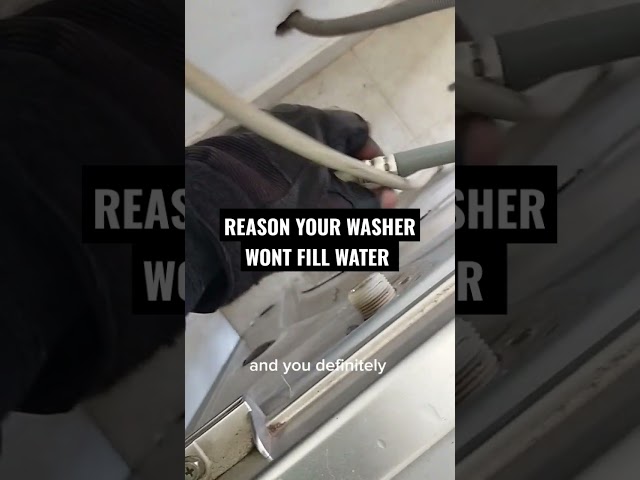
Youtube Video:
Quick Wiring Specifications & Terminal Guide
| Component / Circuit | Standard Wire Gauge | Recommended Protection |
|---|---|---|
| Control & Trigger Signals | 18 – 20 AWG | 5A – 7.5A Inline Fuse |
| Standard Auxiliary Load | 14 – 16 AWG | 15A – 20A Circuit Breaker |
| Main Power Feed / Supply | 10 – 12 AWG | 30A – 40A Heavy-Duty Relay |
