Introduction
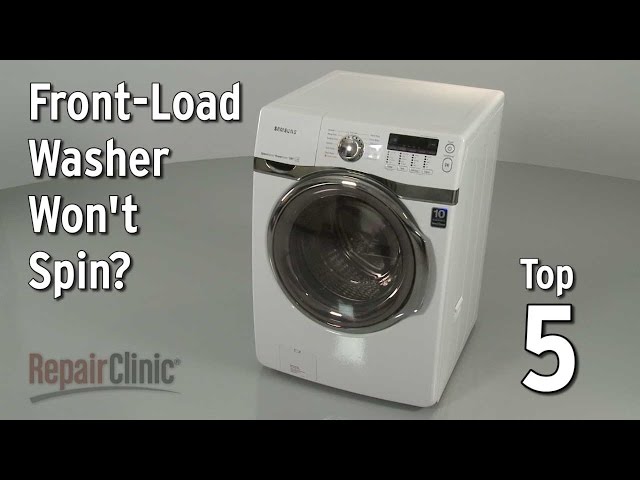
A front load washer that won’t spin can be a major headache. Not only does it leave your clothes soaking wet, requiring extra drying time (or hand-wringing!), but it also means your laundry cycle is incomplete. This issue often crops up after a heavy load, an unbalanced wash, or simply with age. Addressing this promptly can prevent further damage to your appliance and save you a costly repair bill.
Common Causes of front load washer stopped spinning
Here are some common reasons why your front load washer might not be spinning:
- Overloaded Washer: Too many clothes can strain the motor and prevent spinning.
- Unbalanced Load: Clothes bunched on one side cause the washer to stop for safety.
- Blocked Drain Pump: A clogged pump prevents water from draining, which is necessary for spinning.
- Faulty Lid Switch/Door Lock: The washer won’t spin if it thinks the door is open.
- Worn Drive Belt: A loose or broken belt can’t transfer power to the drum.
- Motor Problems: A failing motor might not have the power to spin.
- Faulty Control Board: The control board manages all the washer’s functions, including spinning.
- Clogged Drain Hose: If the hose is kinked or blocked, water can’t drain properly.
Symptoms Checklist
Here are some indicators that your washer might be having trouble spinning:
- Clothes are soaking wet after the wash cycle.
- The washer makes unusual noises during the spin cycle (or doesn’t make any noise at all).
- The washer stops mid-cycle.
- Error codes are displayed on the washer’s control panel.
- Water remains in the drum after the cycle is complete.
- The drum moves freely by hand, but the motor doesn’t seem to be engaging.
How to Fix front load washer stopped spinning Step-by-Step Guide
Follow these steps to troubleshoot the problem:
- Check for Overloading: Remove some clothes to see if a smaller load will spin.
- Rearrange the Load: Manually redistribute clothes to create a balanced load.
- Check the Drain Hose: Make sure the drain hose isn’t kinked, blocked, or crushed. Straighten any kinks and remove any visible blockages.
- Clean the Drain Pump Filter: Most front loaders have a small access door (usually at the bottom front) for the drain pump filter. Remove the filter (be prepared for water to spill!), clean out any lint, debris, or small objects, and replace it securely.
- Check the Door Lock/Lid Switch: Inspect the door lock mechanism for any damage or obstruction. Try opening and firmly closing the door several times.
- Run a Rinse and Spin Cycle: Select a dedicated “Rinse and Spin” cycle to see if the washer will spin with a clean load.
- Listen for Noises: Pay attention to any unusual sounds during the wash or spin cycle. Grinding, squealing, or thumping can indicate specific issues.
- Check for Error Codes: Consult your washer’s manual to interpret any error codes displayed on the control panel. These codes can point to the specific problem.
- Check the Washer’s Level: An unlevel washer can cause imbalance problems. Use a level to check and adjust the feet of the washer as needed.
- Power Cycle the Washer: Unplug the washer from the power outlet for 5-10 minutes to reset the electronic controls. Plug it back in and try running a cycle.
- Inspect the Drive Belt (advanced): If you are comfortable, unplug the washer and access the back panel. Visually inspect the drive belt for wear, cracks, or breakage. It should be taut and properly seated on the pulleys.
- Check the Motor Coupler (advanced): Similar to the belt, this connects the motor to the drum. It might be made of rubber or plastic and can wear out.
Fix the Issue Without Buying Parts
Here are some methods to try before considering replacement parts:
- Reset the Washer: As mentioned above, unplugging the washer for 5-10 minutes can reset the control board and resolve minor glitches.
- Clean the Washer Regularly: Run a washer cleaner cycle monthly to remove buildup and prevent clogs.
- Check for Proper Leveling: Ensure the washer is level to prevent imbalances and excessive wear.
- Inspect Hoses Regularly: Check the drain and inlet hoses for kinks, cracks, or leaks.
- Avoid Overloading: Always follow the manufacturer’s recommended load size to prevent strain on the motor and other components.
When Replacement Might Be Necessary
If you’ve tried all the troubleshooting steps and the washer still won’t spin, or if you identify a severely damaged motor or control board, replacement might be necessary. Replacing a motor can cost $150-$400, while a control board can range from $200-$500 (USD), plus labor if you hire a technician. Common parts that fail and cause spinning issues include the drive belt, motor coupler, and motor itself.
Safety Warning
- Always unplug the washer from the power outlet before performing any maintenance or repairs.
- Be careful when handling water and electrical components.
- Avoid standing on wet floors while working with electrical appliances.
- If you are not comfortable performing any of these steps, consult a qualified appliance repair technician.
Tools You May Need
- Screwdrivers (Phillips and flathead)
- Pliers
- Adjustable wrench
- Level
- Bucket (for catching water)
- Towels
- Gloves
FAQ
- Q: My washer makes a loud noise when it tries to spin. What could that be?A: This could indicate a worn drive belt, a failing motor bearing, or an object stuck in the drain pump.
- Q: How do I know if the drain pump is clogged?A: If the washer doesn’t drain properly, or if you hear a gurgling sound, the drain pump might be clogged.
- Q: What does an “UE” error code mean?A: “UE” typically stands for “Unbalanced Error.” It indicates that the washer detected an unbalanced load and stopped the spin cycle. Try redistributing the load and running the cycle again.
- Q: Can I replace the drive belt myself?A: Yes, but it requires some mechanical skill. Watch online tutorials to understand the process before attempting.
Conclusion
A front load washer that won’t spin is a frustrating problem, but hopefully, this guide has provided you with the knowledge to troubleshoot and potentially fix the issue yourself. Remember to start with the simple solutions and work your way up to more complex repairs. If you’re uncomfortable with any step, don’t hesitate to call a qualified appliance repair technician. With a little effort, you can often get your washer spinning again and avoid the expense of a new appliance!
Youtube Video:
Looking for more useful options?
Check out recommended resources that others find helpful.