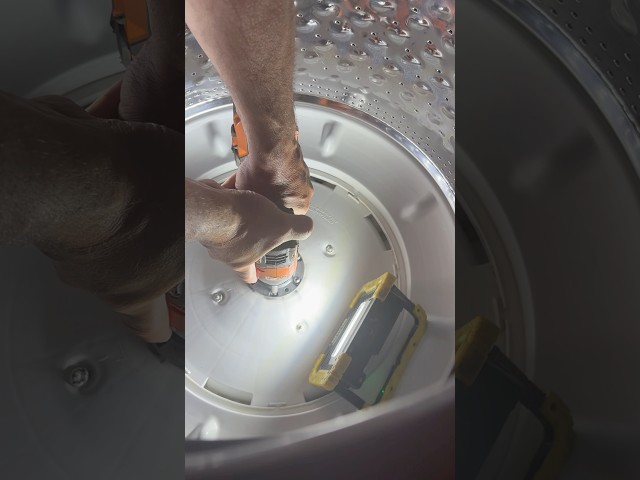
Introduction
A noisy washing machine, especially during the spin cycle, is a common problem for Cabrio washer owners. That loud banging, grinding, or squealing isn’t just annoying; it could indicate a serious underlying issue that could worsen over time, leading to costly repairs or even total washer failure. Addressing the noise promptly can save you money and extend the life of your appliance. Don’t ignore those strange sounds!
Common Causes of Cabrio Washer Making Noise on Spin Cycle
Here are some of the most frequent culprits behind a noisy spin cycle:
- Unbalanced Load: Clothes bunched on one side of the drum cause excessive vibration.
- Worn Drum Bearings: These support the drum and can become noisy when worn.
- Foreign Object in the Drum: A coin, button, or other small object caught between the drum and outer tub can create a racket.
- Loose Drive Pulley: The pulley transfers power to the drum; if loose, it can wobble and squeal.
- Worn Drive Belt: A cracked or stretched belt can slip and cause noise, especially during the high speeds of the spin cycle.
- Suspension Rod Issues: Cabrio washers use suspension rods to keep the tub stable. If one breaks or wears out, the tub can bounce excessively.
- Damaged Motor Coupling: This connects the motor to the transmission. If it fails, it can cause loud noises.
- Drain Pump Obstruction: A clogged drain pump can cause the washer to strain and make unusual noises.
Symptoms Checklist
Look for these indicators to help identify the source of the noise:
- Banging Noise: Often indicates an unbalanced load or loose object.
- Grinding Noise: Could point to worn drum bearings or a foreign object.
- Squealing Noise: Often associated with a slipping drive belt or loose pulley.
- Excessive Vibration: Suggests an unbalanced load, worn suspension rods, or uneven flooring.
- Visible Wear and Tear: Inspect the belt and other components for cracks, looseness, or damage.
- Water Leaking: Sometimes, noisy bearings can be related to a leaking seal.
- Washer Shaking Violently: Almost always points to an unbalanced load, broken suspension part, or improper leveling.
How to Fix Cabrio Washer Making Noise on Spin Cycle Step-by-Step Guide
Follow these steps to troubleshoot the noise:
- Unplug the Washer: Disconnect the power cord from the outlet for safety.
- Check for Unbalanced Loads: Ensure clothes are evenly distributed in the drum. Redistribute them and try again.
- Inspect for Foreign Objects: Thoroughly check the drum, including the rubber seal and any crevices, for coins, buttons, or other items.
- Level the Washer: Use a level to ensure the washer is sitting evenly on the floor. Adjust the leveling feet as needed.
- Check the Suspension Rods: Locate the suspension rods (usually near the corners of the washer) and inspect them for damage or wear. Push down on the tub; it should bounce smoothly and evenly.
- Inspect the Drive Belt: Locate the drive belt (usually at the bottom of the washer). Check for cracks, fraying, or looseness.
- Check the Drive Pulley: Make sure the pulley is securely attached and doesn’t wobble. Tighten the bolt if necessary (consult your washer’s manual for proper torque specifications).
- Clean the Drain Pump Filter: Locate and clean the drain pump filter to remove any debris that might be causing the pump to strain.
- Check the Motor Coupling: This often looks like two rubber or plastic pieces connected by springs. Look for broken or damaged components. Note: Some disassembly might be needed.
- Listen Carefully: Run a short spin cycle (with no clothes) and try to pinpoint the exact location of the noise. This will help you focus your troubleshooting efforts.
- Check the Drum Baffles: Are any of the drum baffles (the plastic pieces inside the drum) loose or broken? These can cause a banging noise.
- Consult the Owner’s Manual: Refer to your washer’s manual for specific troubleshooting tips and diagrams.
- Record the Model Number: Note your washer’s model number. This information is crucial if you need to order parts or consult a technician.
Fix the Issue Without Buying Parts
Before considering replacement parts, try these free methods:
- Washer Reset: Unplug the washer for 1 minute, then plug it back in. This can sometimes clear error codes and reset the system.
- Cleaning: Clean the drum and detergent dispenser regularly to prevent buildup that can contribute to noise.
- Recalibration (If Applicable): Some washers have a recalibration cycle that can help reset the drum’s balance. Consult your owner’s manual.
- Inspect Hoses: Make sure the water inlet and drain hoses aren’t kinked or obstructed.
- Regular Maintenance: Wipe down the washer after each use and leave the door slightly ajar to prevent mold and mildew.
When Replacement Might Be Necessary
If the noise persists after trying the above steps, or if you identify a severely damaged component like drum bearings or a faulty motor, replacement might be necessary. Replacing drum bearings can cost $150-$400, while a new motor can range from $200-$500 (USD), including labor. Suspension rods cost around $50 – $150. Common parts that fail and cause noise are the drum bearings, drive belt, motor coupling, and suspension rods.
Safety Warning
- Always unplug the washer before performing any maintenance or repairs.
- Be careful when lifting or moving the washer; it can be heavy.
- Avoid contact with water and electrical components to prevent electric shock.
- If you’re uncomfortable with any of these steps, consult a qualified appliance repair technician.
- Wear gloves to protect your hands.
Tools You May Need
- Screwdrivers (Phillips and flathead)
- Pliers
- Adjustable wrench
- Level
- Gloves
- Flashlight
- Socket set
FAQ
Here are some frequently asked questions:
-
Q: Why is my washer so loud only during the spin cycle?
A: The high speeds of the spin cycle amplify any existing problems, such as worn bearings or an unbalanced load. -
Q: Can I use WD-40 to lubricate the drum bearings?
A: No, WD-40 is not a suitable lubricant for drum bearings. It can actually damage them. Use a specialized appliance lubricant if needed. -
Q: How do I know if my suspension rods are bad?
A: Push down on the drum. If it bounces excessively or unevenly, the suspension rods may be worn. -
Q: How often should I clean my washer?
A: It’s recommended to clean your washer at least once a month to prevent buildup and odors. -
Q: Can I fix this myself, or should I call a professional?
A: Many of these issues can be resolved with basic troubleshooting. However, if you’re uncomfortable with any of the steps, it’s best to call a qualified technician.
Conclusion
A noisy Cabrio washer doesn’t have to be a source of constant stress. By following this troubleshooting guide, you can often identify and resolve the issue yourself, saving time and money. Don’t hesitate to try these steps before calling a technician. With a little effort, you can get your washer running smoothly and quietly again!
Youtube Video:
Looking for more useful options?
Check out recommended resources that others find helpful.