Introduction
A front load washing machine leaking from the door is a common problem that can lead to water damage and wasted water. It’s crucial to address this issue promptly to prevent further damage to your floors and walls. This usually happens during the wash or rinse cycles when water is actively being sprayed or sloshed around. Ignoring the leak can also lead to mold and mildew growth. This guide will help you troubleshoot and fix the leak yourself, saving you money on repair costs.
Common Causes of front load washing machine leaking from door
Here are some common reasons why your front load washing machine might be leaking from the door:
- Worn Door Seal (Gasket): The rubber seal around the door can crack, tear, or become misshapen over time, creating gaps.
- Dirty Door Seal: Soap scum, dirt, and debris can build up on the seal, preventing it from creating a tight closure.
- Overloading the Washer: Packing too many clothes into the machine can put pressure on the door and seal, causing leaks.
- Improper Closing of the Door: Failing to close the door completely can leave gaps.
- Damaged Door Latch: A faulty latch might not secure the door tightly enough.
- Clogged Drain Line: If the drain line is clogged, water can back up and leak from the door.
- Excessive Soap: Using too much detergent can create excessive suds that leak out.
- Unlevel Washing Machine: If the machine isn’t level, it can cause the door to not seal properly.
- Debris Caught in the Seal: Small items like socks or coins can get lodged in the seal, breaking the seal.
Symptoms Checklist
Here’s how to determine if the leak is actually from the door:
- Water is visible on the floor directly in front of the washing machine door.
- The door seal (gasket) appears wet or damp after a wash cycle.
- You can see water dripping from the bottom of the door during the wash or rinse cycle.
- There is a musty odor coming from the washing machine.
- You find small items like socks or coins near the door seal.
- The door seal appears damaged, cracked, or torn.
How to Fix front load washing machine leaking from door Step-by-Step Guide
Follow these steps to troubleshoot and fix the leak:
- Safety First: Unplug the washing machine from the power outlet.
- Inspect the Door Seal: Carefully examine the rubber seal (gasket) around the door. Look for cracks, tears, or any signs of damage.
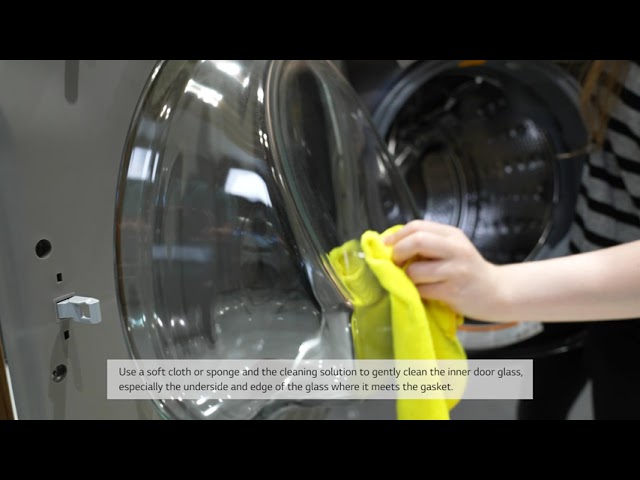
- Clean the Door Seal: Use a damp cloth and mild soap to clean the entire door seal. Remove any soap scum, dirt, or debris. Rinse thoroughly.
- Check for Obstructions: Inspect the seal for any small objects like socks, coins, or lint. Remove any obstructions.
- Close the Door Properly: Ensure the door is fully closed and latched before starting a wash cycle. Sometimes, a gentle push is all it takes.
- Level the Washing Machine: Use a level to check if the washing machine is level. Adjust the feet underneath the machine until it’s stable and level.
- Reduce Soap Usage: Use the recommended amount of detergent specified in the washing machine’s manual. Excessive soap can cause excessive suds.
- Run a Cleaning Cycle: Some washing machines have a self-cleaning cycle. Run this cycle to help remove buildup and clean the internal components.
- Check the Drain Hose: Make sure the drain hose is properly connected and not kinked or clogged.
- Inspect the Door Latch: Check if the door latch is working correctly. If it seems loose or damaged, it might not be securing the door tightly enough.
- Test the Washer: After completing the above steps, run a small wash cycle and observe if the leak is still present.
- Observe the Leak’s Origin: While the wash cycle is running, carefully watch where the water is leaking from specifically. Is it the top, bottom, or side of the seal?
Fix the Issue Without Buying Parts
Often, you can fix the leak without replacing any parts:
- Reset the Washer: Unplug the washer for 5-10 minutes. This can sometimes reset the system and resolve minor issues.
- Deep Cleaning the Seal: Use a diluted bleach solution (1 part bleach to 10 parts water) to clean the seal more thoroughly. Be sure to rinse well afterwards.
- Recalibrate the Washer (If Possible): Some machines have a recalibration setting. Check your manual.
- Regular Maintenance: Wipe down the door seal after each use to prevent buildup.
When Replacement Might Be Necessary
If the leak persists after trying the above steps, the door seal may need replacement. Replacing the door seal typically costs between $50 and $200, including labor. A damaged door latch may also need replacing, with similar costs. Other components to consider as last resorts are the door assembly or drain pump housing, but these failures are rare.
Safety Warning
- Always unplug the washing machine before performing any maintenance or repairs.
- Avoid contact with wet floors to prevent slips and falls.
- Do not use excessive force when removing or installing parts.
- If you’re uncomfortable performing any of these steps, consult a qualified appliance repair technician.
Tools You May Need
- Screwdrivers (Phillips and flathead)
- Pliers
- Adjustable wrench
- Level
- Towels
- Mild soap
- Damp cloth
FAQ
Here are some frequently asked questions:
- Q: Why is my new washing machine leaking? A: Check the drain hose connection. Ensure the door seal is clean and the machine is level.
- Q: Can I use bleach to clean the door seal? A: Yes, but dilute it properly and rinse thoroughly afterwards.
- Q: How often should I clean the door seal? A: It’s best to wipe it down after each wash and do a deep clean monthly.
- Q: What if the leak only happens during the spin cycle? A: The issue may be related to imbalance or the drain pump. Check if the machine is level and the drain hose isn’t kinked.
Conclusion
Troubleshooting a front load washing machine leak can seem daunting, but by following these steps, you can often identify and fix the problem yourself. Addressing the issue early prevents further damage and saves money. If the leak persists or you are uncomfortable performing the repairs, don’t hesitate to call a qualified appliance repair technician. Good luck!
Youtube Video:
Looking for more useful options?
Check out recommended resources that others find helpful.