Introduction
Finding rusty water leaking from your refrigerator is alarming and signals a problem that needs immediate attention. Its not just an inconvenience; the rust indicates internal corrosion, which can contaminate your food, damage your flooring, and eventually lead to refrigerator failure. This often happens in older refrigerators, or in those that have had prolonged exposure to moisture. Don’t ignore it! Addressing this promptly can save you from bigger headaches and more expensive repairs down the road.
Common Causes of Refrigerator Leaking Rusty Water
Several factors can cause rusty water to leak from your refrigerator:
- Corroded Water Line: The metal or plastic water line supplying water to your ice maker and water dispenser can corrode over time, especially if exposed to hard water.
- Rusting Water Tank: Some refrigerators have small water tanks that can develop rust internally.
- Ice Maker Malfunction: A leaking ice maker can cause water to accumulate and rust surrounding components.
- Defrost Drain Clog: A clogged defrost drain line can cause water to back up, potentially leading to rust if the drain pan is metallic and/or the water comes into contact with metallic components.
- Water Filter Housing Damage: Cracks or corrosion in the water filter housing can allow water to leak and cause rust formation.
- Condensation Issues: Excessive condensation buildup in older models might lead to rust in areas where moisture accumulates.
- Damaged Evaporator Coils: Although less common, the evaporator coils, while typically aluminum or copper, can react with other corroding metals nearby leading to rusty byproducts that mix with condensation.
- Deteriorating Internal Components: Over time, internal metal components, especially in older refrigerators, can corrode and contribute to rusty water leaks.
Symptoms Checklist
Look for these indicators to confirm the source of the rusty water leak:
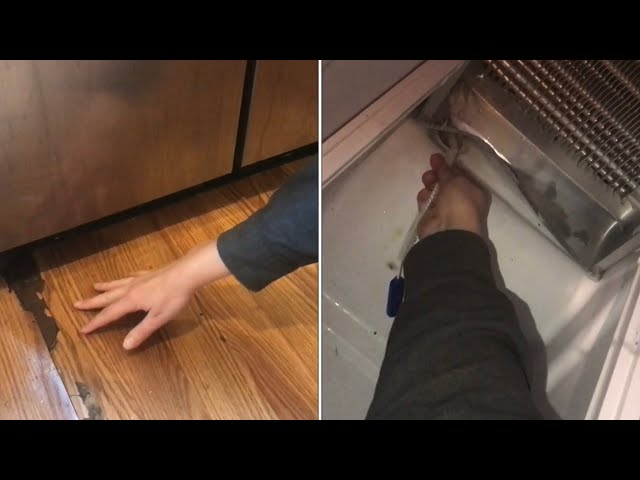
- Puddle of rusty water under or behind the refrigerator.
- Rust stains or discoloration on the floor around the refrigerator.
- Ice cubes or dispensed water with a rusty tint or metallic taste.
- Visible rust on water lines, connections, or the interior of the refrigerator.
- Reduced water pressure from the dispenser.
- Unusual noises from the refrigerator (e.g., gurgling or dripping).
How to Fix Refrigerator Leaking Rusty Water Step-by-Step Guide
Follow these steps to troubleshoot and address the rusty water leak:
- Disconnect the Refrigerator: Unplug the refrigerator from the power outlet for safety.
- Locate the Water Supply Line: Find the water line that connects to the back of the refrigerator. Turn off the water supply valve.
- Inspect the Water Line: Examine the water line for any signs of rust, corrosion, or damage. Replace the water line if it’s heavily corroded.
- Check the Water Filter: Remove and inspect the water filter. A clogged or damaged filter can cause pressure issues and leaks. Replace the filter if necessary.
- Examine the Water Filter Housing: Check the water filter housing for cracks or corrosion. If damaged, the housing might need replacement.
- Inspect the Ice Maker: Look for leaks or ice buildup around the ice maker. If the ice maker is leaking, it may require cleaning or repair.
- Check the Defrost Drain: Locate the defrost drain (usually at the back of the freezer compartment). Use a turkey baster or a long, flexible object (like a pipe cleaner) to clear any clogs.
- Clean the Defrost Drain Pan: The drain pan beneath the refrigerator can accumulate water and debris. Remove and clean the pan thoroughly.
- Inspect Internal Components: Carefully inspect accessible internal metal components (e.g., shelves, brackets) for rust. Clean or treat any rust spots with rust converter.
- Check Water Tank (If Applicable): If your refrigerator has an internal water tank, inspect it for rust or leaks. If severely rusted, professional assessment is advised.
- Reconnect Water Supply: Once you’ve addressed any issues, reconnect the water supply line to the refrigerator.
- Plug in the Refrigerator: Plug the refrigerator back into the power outlet.
- Monitor for Leaks: Observe the refrigerator for any new leaks over the next 24-48 hours.
- Flush the Water Dispenser: Dispense several glasses of water to flush out any remaining rusty water from the system.
Fix the Issue Without Buying Parts
Sometimes, you can resolve the issue without immediately buying replacement parts:
- Reset the Refrigerator: Unplug the refrigerator for 30 minutes to reset its systems.
- Thorough Cleaning: Clean the interior of the refrigerator regularly to prevent moisture buildup.
- Defrost Regularly: Manual defrosting can help prevent ice buildup that can contribute to leaks.
- Inspect Door Seals: Ensure that the door seals are clean and intact to prevent warm air from entering and causing condensation.
- Regular Maintenance: Change the water filter every six months or as recommended by the manufacturer.
When Replacement Might Be Necessary
If the corrosion is extensive, or if key components like the water tank or evaporator coils are severely rusted, replacement might be necessary. A new water tank typically costs between $100-$300 (USD), while a whole new refrigerator can range from $500 to $2000+ (USD), depending on the model and features. Commonly failing parts include the water filter housing, water lines, and the ice maker assembly.
Safety Warning
- Always unplug the refrigerator before performing any maintenance or repairs.
- Be careful when handling water to avoid electric shock.
- Wipe up any spills immediately to prevent slips and falls.
- If you’re uncomfortable performing any of these steps, consult a qualified appliance repair technician.
Tools You May Need
- Screwdrivers (Phillips and flathead)
- Adjustable wrench
- Pliers
- Turkey baster or flexible tube
- Towels or rags
- Bucket
- Cleaning solution (mild detergent and water)
FAQ
Here are some frequently asked questions about refrigerator leaks:
- Q: Why is my water dispenser dispensing rusty water? A: This usually indicates corrosion in the water lines or the water filter housing. Inspect these components and replace if necessary.
- Q: How often should I change my water filter? A: Most manufacturers recommend changing the water filter every six months.
- Q: Can I drink water from a refrigerator that’s leaking rusty water? A: It’s not recommended, as the rust can contaminate the water and pose health risks.
- Q: Is a rusty water leak covered by my refrigerator warranty? A: This depends on the terms of your warranty. Check your warranty documentation for coverage details.
Conclusion
Finding your refrigerator leaking rusty water is definitely a cause for concern, but with this guide, you can take the first steps to diagnose and possibly fix the problem yourself. Don’t hesitate to try the suggested solutions. However, if the issue persists or you’re uncomfortable with the repairs, it’s always best to call a qualified appliance repair technician to avoid further damage.
Youtube Video:
Looking for more useful options?
Check out recommended resources that others find helpful.