Introduction
A refrigerator that dispenses crisp, cold water and ice on demand is a modern convenience we often take for granted. So, it can be incredibly frustrating when your GE fridge suddenly stops providing these essentials. This guide will walk you through the most common causes of this issue and provide simple, step-by-step troubleshooting instructions that even a beginner can follow. Addressing this problem quickly can save you money by preventing food spoilage and avoiding costly professional repairs. Let’s get your ice and water flowing again!
💡 Technical Key Takeaways:
- Core Focus: Diagnostic schematic and terminal connection layout for Water And Ice Not Working On Ge Fridge.
- Target Scope: Field technicians, automotive DIYers, and residential/commercial electricians.
- Safety Rule: Always disconnect the primary power source/battery terminal and verify zero voltage with a multimeter before touching wires.
Common Causes of Water and Ice Not Working on GE Fridge
Here are some of the most frequent reasons why your GE fridge’s water and ice dispenser might not be functioning correctly:. Related guide: Lg Premium Ez Digital Fridge Freezer Ice Maker Not Working.
- Frozen Water Line: The small plastic tubing that supplies water to the dispenser and ice maker can freeze, blocking the flow.
- Clogged Water Filter: A dirty or old water filter restricts water flow, impacting both the dispenser and ice maker.
- Ice Maker Jam: Ice cubes can clump together and block the ice maker mechanism.
- Faulty Water Inlet Valve: This valve controls the flow of water into the fridge. If it fails, no water will reach the dispenser or ice maker.
- Dispenser Switch Issues: The switches that activate the water and ice dispenser can wear out or become damaged.
- Low Water Pressure: Insufficient water pressure to your home can affect the fridge’s ability to dispense water and make ice.
- Freezer Temperature Too High: If the freezer isn’t cold enough (typically above 10F), the ice maker won’t function properly.
- Defective Ice Maker Module: The ice maker module itself could be defective and not signaling to produce ice.
- Door Switch Malfunction: A faulty door switch may prevent the dispenser from working.
Symptoms Checklist
Use this checklist to help narrow down the possible causes:
- No water comes out when you press the water dispenser lever.
- The ice maker is not producing any ice.
- The water dispenser is dispensing water slowly or weakly.
- The ice maker is making ice, but it’s not dispensing.
- You hear a buzzing sound when you try to dispense water or ice.
- The water filter indicator light is on.
- The freezer feels warmer than usual.
How to Fix Water and Ice Not Working on GE Fridge Step-by-Step Guide
Follow these steps to troubleshoot your GE refrigerator’s water and ice dispenser:
- Check the Water Supply: Ensure the fridge is properly connected to a water line and that the water supply valve is fully open. It’s typically located under the sink or behind the refrigerator.
- Inspect the Water Filter: Locate the water filter (usually inside the fridge or in the base grille). Remove it and inspect for clogs or debris. If it’s been longer than six months or the indicator light is on, replace the filter.
- Thaw a Frozen Water Line: If you suspect a frozen water line, unplug the refrigerator. Locate the water line (usually a small plastic tube) behind the fridge or inside the freezer. You can try using a hairdryer (on a low setting) to gently warm the line and thaw any ice blockage. Avoid prolonged heat exposure to avoid melting the plastic tubing.
- Check the Freezer Temperature: Use a thermometer to verify that the freezer temperature is at or below 10F (-12C). Adjust the temperature setting if necessary. Give it 24 hours to stabilize.
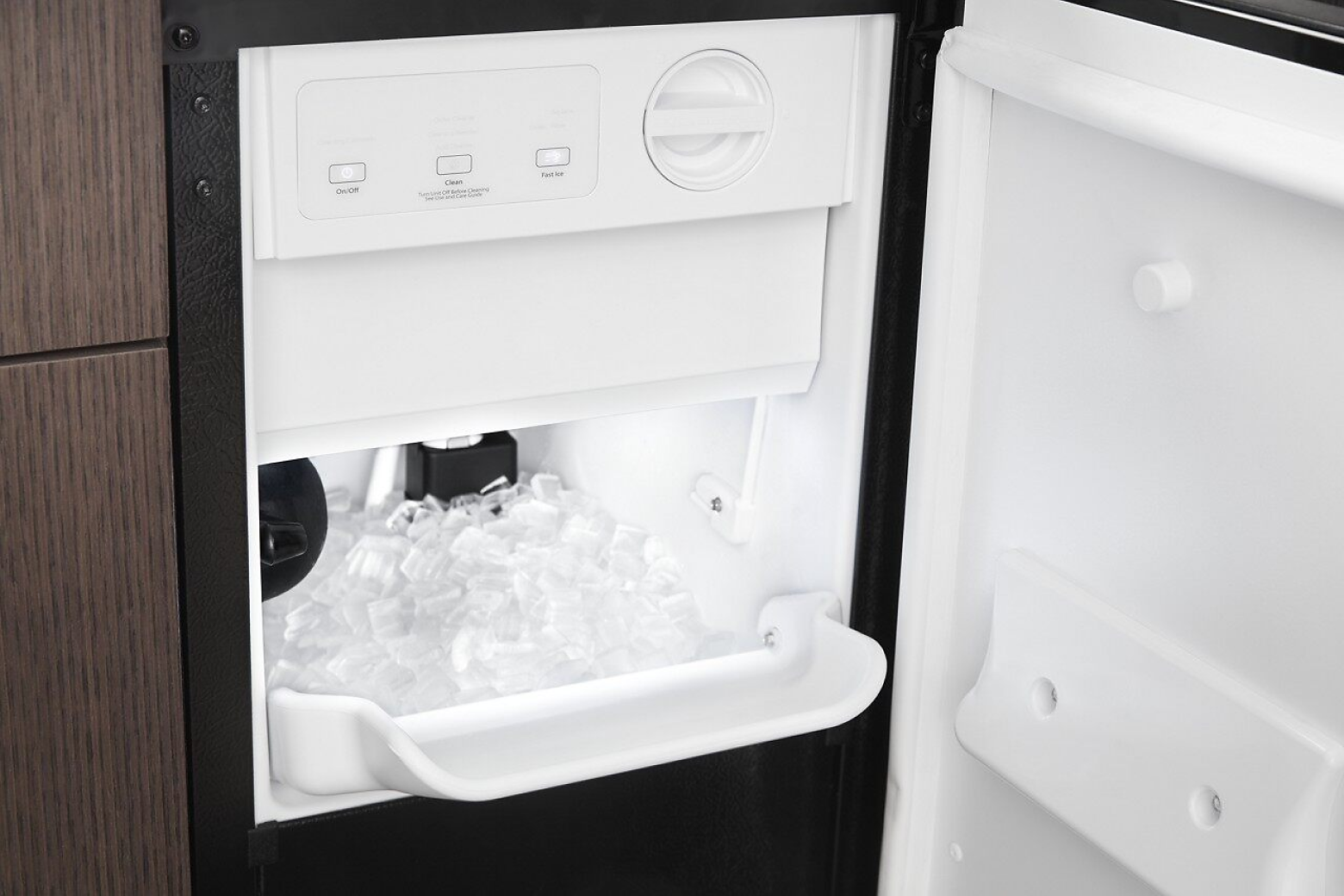
- Clear an Ice Maker Jam: If the ice maker is full of ice but not dispensing, it may be jammed. Remove the ice bin and inspect for large clumps of ice. Break up any clumps and try dispensing again.
- Inspect the Ice Maker Ejector Arm: The ejector arm pushes ice out of the ice maker. Make sure it’s not blocked or damaged. Gently move the arm to ensure it moves freely.
- Reset the Ice Maker: Some GE refrigerators have a reset button on the ice maker. Refer to your owner’s manual for the location of the reset button and how to activate it. If no button exists, try unplugging the refrigerator for 30 minutes to reset it.
- Check the Dispenser Switch: Examine the dispenser paddles or buttons for any signs of damage or stickiness. Clean around the paddles or buttons to remove any debris.
- Inspect the Door Switch: The door switch prevents the dispenser from working when the door is open. Manually depress the switch to see if the dispenser activates (door will need to be closed).
- Listen for the Water Inlet Valve: When you press the water dispenser lever, listen for a faint humming sound from the back of the refrigerator. This indicates the water inlet valve is receiving power. If you hear no sound, the valve may be faulty.
- Check Water Pressure: Make sure you have adequate water pressure in your home. A drop in pressure from your municipal supplier can impact your refrigerator.
- Inspect for Kinked Water Lines: Look for any kinks in the water line running from the supply to the refrigerator.
Fix the Issue Without Buying Parts
Before considering replacing parts, try these free methods:
- Reset the Fridge: Unplug the refrigerator for 30 minutes and then plug it back in. This can reset the control board and resolve minor issues.
- Clean the Dispenser Area: Regularly clean the dispenser area to prevent build-up that can affect the switches and levers.
- Inspect for Ice Buildup: Periodically inspect the ice maker and freezer for excessive ice buildup, which can block the dispenser mechanism.
- Maintain Proper Freezer Temperature: Keep the freezer temperature at the recommended setting (0F to 10F) to ensure proper ice production.
When Replacement Might Be Necessary
If you’ve tried all the troubleshooting steps and your water and ice dispenser still isn’t working, you may need to replace a part. Common parts that fail include:. Browse more guides on smartacfix.com.
- Water Filter: Replace every 6 months ($15 – $50).
- Water Inlet Valve: If you don’t hear the valve humming ($30 – $80).
- Ice Maker Assembly: If the ice maker module is completely failing ($100 – $300).
- Dispenser Switch: If the switch is visibly damaged or not responding ($20 – $50).
These are estimated cost ranges in USD and can vary depending on the model of your GE refrigerator and the part supplier. Consider calling a qualified technician if you are uncomfortable with electrical repairs.
Safety Warning
Take these precautions before attempting any repairs:
- Unplug the refrigerator: Disconnect the power supply to avoid electrical shock.
- Avoid wet surfaces: Work in a dry area to prevent electrical hazards.
- Consult the owner’s manual: Refer to your refrigerator’s manual for specific instructions and safety information.
- Use caution: Be careful when handling tools and working around electrical components.
Tools You May Need
Here’s a list of tools that might be helpful:
- Screwdrivers (Phillips and flathead)
- Pliers
- Adjustable wrench
- Multimeter (for testing electrical components)
- Towel or bucket (to catch water)
- Hair dryer (for thawing frozen water lines)
FAQ
Here are some frequently asked questions:
- Q: My water dispenser is working, but the ice maker isn’t. What could be the problem?A: The issue is likely with the ice maker itself. Check the freezer temperature, ice maker arm, and consider manually resetting the ice maker if your model has a reset button.
- Q: How often should I replace my water filter?A: Generally, you should replace your water filter every six months.
- Q: Why is my ice dispenser crushing ice when I selected cubes?A: There may be ice buildup or a malfunction with the dispenser’s selector switch. Try clearing out the ice bin and ensuring the switch is properly set to “cubes”.
- Q: I hear a buzzing noise when I try to dispense water. What does that mean?A: A buzzing noise often indicates a problem with the water inlet valve. It may be clogged or failing.
Conclusion
Don’t give up on your GE refrigerator’s water and ice dispenser just yet! By following these troubleshooting steps, you can often identify and fix the problem yourself, saving time and money. Remember to prioritize safety and consult your owner’s manual for specific instructions. If you’ve exhausted all DIY options and the issue persists, it’s best to contact a qualified appliance repair technician for professional assistance. Good luck!
Quick Wiring Specifications & Terminal Guide
| Component / Circuit | Standard Wire Gauge | Recommended Protection |
|---|---|---|
| Control & Trigger Signals | 18 – 20 AWG | 5A – 7.5A Inline Fuse |
| Standard Auxiliary Load | 14 – 16 AWG | 15A – 20A Circuit Breaker |
| Main Power Feed / Supply | 10 – 12 AWG | 30A – 40A Heavy-Duty Relay |
Images References