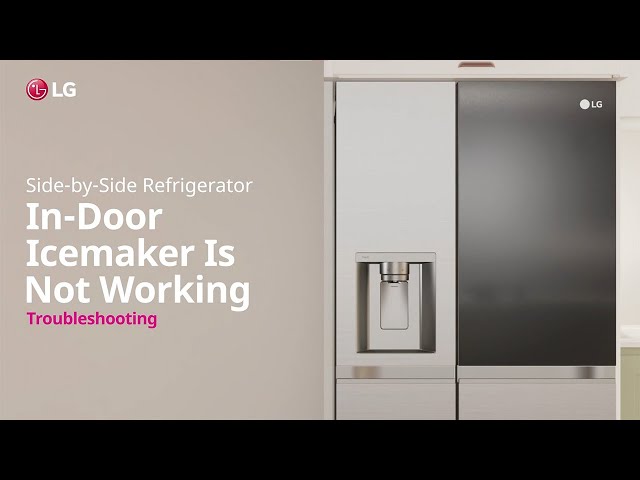
Introduction
Having an ice maker stop working in your LG refrigerator can be a real inconvenience, especially during hot weather or when you’re entertaining. No ice means warm drinks, and that’s rarely ideal! Often, the issue is something simple to fix, saving you a costly service call. This guide will walk you through common causes and provide step-by-step instructions to get your ice maker back up and running. Don’t panic – let’s troubleshoot!
Common Causes of my lg ice maker is not working
Here are some of the most frequent reasons why your LG ice maker might be on the fritz:
- Frozen Water Line: A frozen water line prevents water from reaching the ice maker.
- Clogged Water Filter: A dirty or clogged filter restricts water flow.
- Ice Build-up in the Ice Maker: Ice can clump together and block the ice maker’s mechanisms.
- Incorrect Freezer Temperature: If the freezer isn’t cold enough, the ice maker won’t function properly.
- Water Inlet Valve Problems: A faulty valve may not be opening to supply water.
- Ice Maker Arm is in the Off Position: The ice maker might be manually turned off.
- Defective Ice Maker Module: The internal components of the ice maker itself could be failing.
- Power Outage or Surge: A recent power event might have disrupted the ice maker’s operation.
Symptoms Checklist
Use this checklist to help pinpoint the problem:
- No ice is being produced at all.
- Ice production is very slow.
- Ice cubes are small or hollow.
- Ice cubes are oddly shaped.
- There’s a strange taste or odor in the ice.
- The ice maker is making noise but not producing ice.
- The ice maker is overflowing with water.
How to Fix my lg ice maker is not working Step-by-Step Guide
Follow these steps to troubleshoot your LG ice maker:
- Check the Power: Make sure the refrigerator is plugged in and receiving power.
- Verify Freezer Temperature: The ideal freezer temperature is between 0F and 5F (-18C to -15C). Adjust the temperature if needed, and allow 24 hours for it to stabilize.
- Inspect the Ice Maker Arm: Ensure the ice maker’s shut-off arm (a wire or plastic bail) is in the “down” position. This signals the ice maker to produce ice.
- Check the Water Supply Valve: Locate the water supply valve behind the refrigerator or under the sink. Make sure it’s fully open.
- Inspect the Water Line: Look for any kinks or bends in the water line that could be restricting water flow. Straighten them out.
- Replace the Water Filter: A clogged water filter is a common culprit. Replace it with a new one. Refer to your refrigerator’s manual for the correct filter type and replacement instructions.
- Defrost a Frozen Water Line: If you suspect a frozen water line, unplug the refrigerator. You can use a hairdryer (on a low setting) to gently warm the water line or let the refrigerator defrost for several hours.
- Clear Ice Build-up: Manually remove any ice clumps from the ice maker bin and around the ice maker itself.
- Check the Ice Maker Ejector Arm: Look to see if the ice maker ejector arm moves freely. If it is not moving, the motor may be faulty.
- Listen for the Water Valve: If you suspect you have ice, wait a few hours after the defrosting, and listen for a humming sound and water filling the ice maker tray, this sound verifies the water valve is working.
- Reset the Ice Maker: Some LG refrigerators have a reset button located on the ice maker. Press and hold the reset button for a few seconds. If your model doesn’t have a button, try unplugging the refrigerator for 5-10 minutes to reset it.
- Inspect the Water Inlet Valve: The water inlet valve is located behind the refrigerator. If possible, inspect it for damage or mineral buildup. (This may require a more experienced person to check).
- Test the Water Pressure: Low water pressure can affect ice production. Ensure your home’s water pressure meets the refrigerator’s requirements (check your manual).
- Give it Time: After performing any of these steps, allow the ice maker up to 24 hours to resume normal ice production.
Fix the Issue Without Buying Parts
Many ice maker problems can be resolved without spending money:
- Resetting: Unplugging the fridge for a few minutes can often clear minor glitches.
- Cleaning: Regularly cleaning the ice bin and surrounding areas prevents ice buildup.
- Temperature Calibration: Ensuring the freezer temperature is within the recommended range is crucial.
- Visual Inspection: Regularly check for any visible obstructions or damage to the ice maker components.
- Basic Maintenance: Replacing the water filter every 6 months is key to preventing many issues.
When Replacement Might Be Necessary
If you’ve tried all the troubleshooting steps and your ice maker still isn’t working, a component might need replacing. Common parts that fail include the ice maker module, water inlet valve, or the ice maker’s motor. Replacement costs can range from $50 to $200+ USD, depending on the part and model. Before replacing anything, consider whether the repair cost is worth it compared to the age and value of your refrigerator.
Safety Warning
- Always unplug the refrigerator before performing any maintenance or repairs.
- Avoid working with water near electrical components to prevent electric shock.
- Be careful when handling sharp objects or tools.
- If you’re uncomfortable performing any of these steps, consult a qualified appliance repair technician.
Tools You May Need
- Screwdrivers (Phillips and flathead)
- Pliers
- Adjustable wrench
- Towel or sponge
- Hairdryer (for thawing frozen water lines)
- New water filter
FAQ
Here are some frequently asked questions about LG ice makers:
- Q: How long does it take for a new LG ice maker to start making ice?
- A: It typically takes 24-48 hours for a new ice maker to produce its first batch of ice.
- Q: Why is my ice maker making hollow ice cubes?
- A: Hollow ice cubes usually indicate low water pressure or a clogged water filter.
- Q: How do I clean my LG ice maker?
- A: Empty the ice bin, wipe down the ice maker components with a damp cloth, and run a cleaning cycle (if your model has one).
- Q: What does it mean when my ice maker is making a loud buzzing noise?
- A: A buzzing noise could indicate a problem with the water inlet valve or the ice maker motor.
Conclusion
Troubleshooting your LG ice maker can seem daunting, but by following these steps, you can often resolve the issue yourself. Remember to take your time, be patient, and prioritize safety. If you’ve exhausted all the DIY options and your ice maker remains stubbornly inactive, it might be time to call a qualified appliance repair technician. Hopefully, this guide has empowered you to get those ice cubes flowing again!
Youtube Video:
Looking for more useful options?
Check out recommended resources that others find helpful.