
Introduction
Finding water inside your refrigerator can be frustrating. It not only makes a mess but can also lead to food spoilage and unpleasant odors. This problem commonly occurs when the defrost drain is clogged, preventing water from draining properly. Addressing the issue promptly is crucial to prevent further damage to your refrigerator and maintain food safety.
💡 Technical Key Takeaways:
- Core Focus: Diagnostic schematic and terminal connection layout for Refrigerator Has Water In It.
- Target Scope: Field technicians, automotive DIYers, and residential/commercial electricians.
- Safety Rule: Always disconnect the primary power source/battery terminal and verify zero voltage with a multimeter before touching wires.
Common Causes of Refrigerator Has Water In It
Here are some common reasons why you might find water inside your refrigerator:
- Clogged Defrost Drain: This is the most common cause. Ice or debris can block the drain, causing water to overflow.
- Blocked Drain Hose: The hose that carries water from the defrost drain to the drip pan can become kinked or blocked.
- Faulty Defrost System: If the defrost system isn’t working correctly, ice can build up and melt excessively.
- Door Seal Issues: A damaged or worn-out door seal allows warm air to enter, leading to condensation and water buildup.
- Overfilling the Refrigerator: Overcrowding can restrict airflow and cause condensation.
- High Humidity: In humid environments, refrigerators tend to produce more condensation.
- Leveling Problems: If the refrigerator isn’t level, water may not drain properly.
- Cracked or Damaged Drip Pan: The drip pan that collects water can crack or break, leading to leaks.
- Improperly Stored Food: Leaving uncovered, moist foods inside can increase condensation.
Symptoms Checklist
Use this checklist to help identify the cause of the water in your refrigerator:
- Water pooling on the bottom of the refrigerator.
- Ice buildup on the back wall.
- Water leaking onto the floor in front of the refrigerator.
- Unpleasant odors coming from the refrigerator.
- Food spoiling faster than usual.
- Visible condensation inside the refrigerator.
How to Fix Refrigerator Has Water In It Step-by-Step Guide
Follow these steps to troubleshoot and fix the water issue:
- Unplug the Refrigerator: For safety, always unplug the refrigerator before starting any troubleshooting steps.
- Locate the Defrost Drain: The defrost drain is usually located on the back wall of the freezer compartment, often behind a panel. Consult your refrigerator’s manual for the exact location.
- Melt Any Ice Buildup: If there’s ice blocking the drain, use a hairdryer on a low setting to gently melt it. Do not use sharp objects to break the ice, as this could damage the drain.
- Clear the Defrost Drain: Use a turkey baster, syringe, or small funnel to flush the drain with warm water. You can also use a flexible object like a pipe cleaner or a small piece of wire to gently dislodge any debris.
- Flush with Vinegar Solution: Mix equal parts warm water and white vinegar. Pour this solution down the drain to help dissolve any lingering clogs and prevent future buildup.
- Check the Drain Pan: Locate the drain pan, usually at the bottom of the refrigerator behind the kickplate. Remove the pan and inspect it for cracks or damage. Clean the pan thoroughly with soap and water.
- Inspect the Drain Hose: Trace the drain hose from the drain to the drip pan. Check for kinks, clogs, or damage. Straighten any kinks and clear any blockages with a pipe cleaner or small brush.
- Clean the Door Seals: Use a damp cloth to clean the door seals thoroughly. Remove any dirt or debris that may be preventing a tight seal. You can also apply a thin layer of petroleum jelly to the seals to help them maintain their flexibility.
- Level the Refrigerator: Use a level to ensure the refrigerator is sitting level. Adjust the leveling feet as needed. A slightly tilted refrigerator can prevent proper drainage.
- Reduce Moisture Sources: Store food in airtight containers to reduce moisture inside the refrigerator. Avoid placing hot foods directly into the refrigerator, as this can increase condensation.
- Test the Defrost System: If the problem persists, the defrost system may be faulty. This usually requires a multimeter to test the defrost heater and thermostat. This step might require professional assistance if you are not comfortable with electrical testing.
- Reassemble and Monitor: Once you’ve completed these steps, plug the refrigerator back in and monitor it for any signs of water buildup. Check the drain pan regularly to ensure it’s not overflowing.
Fix the Issue Without Buying Parts
Here are some methods to try before considering part replacements:
- Reset the Refrigerator: Unplug the refrigerator for 30 minutes and then plug it back in. This can sometimes reset the defrost system.
- Regular Cleaning: Clean the interior of the refrigerator regularly to prevent food spills and condensation.
- Inspect for Air Leaks: Check the door seals and other areas for any air leaks that could be causing condensation.
When Replacement Might Be Necessary
If you’ve tried all the troubleshooting steps and the water problem persists, a part replacement might be necessary. Common parts that fail include the defrost heater, defrost thermostat, or the drain pan itself. The cost of these parts can range from $20 to $100 USD, depending on the refrigerator model. Professional repair costs, including parts and labor, can range from $100 to $300 USD.
Safety Warning
- Always unplug the refrigerator before performing any maintenance or repairs.
- Avoid working with electrical components if you are not comfortable with electrical safety.
- Clean up any spills immediately to prevent slips and falls.
- Do not use sharp objects to clear ice buildup, as this could damage the refrigerator.
Tools You May Need
- Screwdriver (Phillips and flathead)
- Turkey baster or syringe
- Pipe cleaner or small wire
- Warm water
- White vinegar
- Damp cloth
- Level
- Hairdryer (optional)
- Multimeter (for testing electrical components – optional)
FAQ
Here are some frequently asked questions about water in refrigerators:
- Q: Why is there water on the floor in front of my refrigerator? A: This is often caused by a clogged defrost drain or a cracked drain pan.
- Q: How often should I clean the defrost drain? A: It’s recommended to clean the defrost drain every 6 months to prevent clogs.
- Q: Can a faulty door seal cause water buildup? A: Yes, a damaged door seal allows warm, humid air to enter, leading to condensation.
- Q: Is it safe to use bleach to clean the drain? A: It’s generally not recommended, as bleach can damage some refrigerator components. Use a vinegar solution instead.
- Q: My freezer is icing up. Is this related to the water issue? A: Yes, excessive ice buildup in the freezer can often lead to water problems in the refrigerator.
Conclusion
Finding water in your refrigerator can be a nuisance, but with this troubleshooting guide, you can often resolve the issue yourself. By following these steps, you can diagnose the problem, clear any blockages, and maintain your refrigerator’s optimal performance. If you’ve exhausted these solutions and the problem persists, consider contacting a qualified appliance repair technician for assistance. Remember, attempting a DIY fix first can often save you time and money!
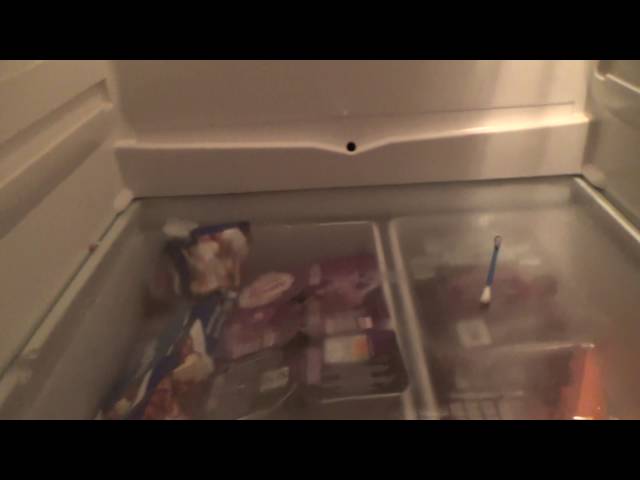
Youtube Video:
Quick Wiring Specifications & Terminal Guide
| Component / Circuit | Standard Wire Gauge | Recommended Protection |
|---|---|---|
| Control & Trigger Signals | 18 – 20 AWG | 5A – 7.5A Inline Fuse |
| Standard Auxiliary Load | 14 – 16 AWG | 15A – 20A Circuit Breaker |
| Main Power Feed / Supply | 10 – 12 AWG | 30A – 40A Heavy-Duty Relay |
Images References
Looking for more diagnostic guides? Explore our complete Refrigerator Problems 4 section for step-by-step troubleshooting solutions.
