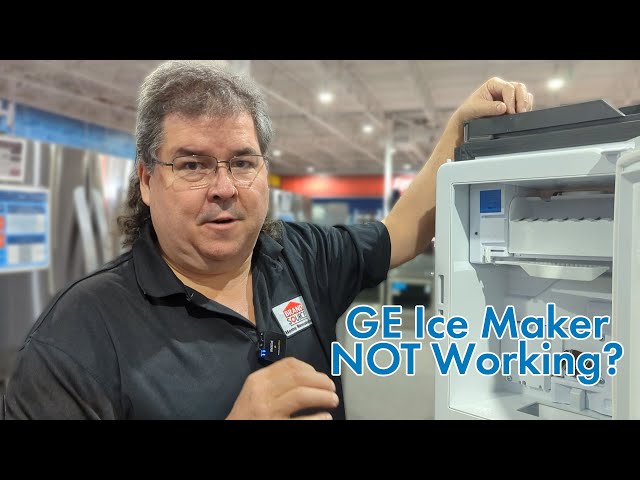
Introduction
A GE refrigerator’s ice maker and water dispenser are convenient features that many homeowners rely on. When they suddenly stop working, it can be a real hassle. Before you panic and call a repair technician, there are several simple troubleshooting steps you can take. Addressing this issue promptly can prevent further problems and potentially save you money.
Common Causes of GE Refrigerator Ice Maker and Water Dispenser Not Working
Here are some common reasons why your GE refrigerator’s ice maker and water dispenser might not be functioning correctly:
- Frozen Water Line: The water line that supplies water to the ice maker and dispenser can freeze, blocking the flow.
- Water Filter Issues: A clogged or incorrectly installed water filter can restrict water flow.
- Low Water Pressure: Insufficient water pressure to your refrigerator can prevent both the ice maker and dispenser from working.
- Ice Maker Jam: Ice cubes can become jammed in the ice maker, preventing it from cycling properly.
- Dispenser Lockout: The dispenser may be locked accidentally, disabling both water and ice dispensing.
- Faulty Water Inlet Valve: This valve controls the water flow to the ice maker and dispenser, and it can fail.
- Damaged Door Switch: If the door switch is faulty, the refrigerator might think the door is open, preventing ice and water dispensing.
- Control Board Malfunction: Although less common, a malfunctioning control board can cause various issues, including ice maker and dispenser failure.
Symptoms Checklist
Use this checklist to identify the issue more accurately:
- No ice production at all.
- Water dispenser not working.
- Both ice maker and water dispenser are not working.
- Ice maker produces small or misshapen cubes.
- Water dispenser dispenses water slowly or sputters.
- Water filter light is on, even after filter replacement.
- Unusual noises coming from the ice maker.
How to Fix GE Refrigerator Ice Maker and Water Dispenser Not Working Step-by-Step Guide
Follow these steps to troubleshoot the problem:
- Check the Dispenser Lock: Make sure the dispenser isn’t locked. Look for a “Lock” button on the control panel and press it to unlock.
- Inspect the Water Filter: Locate the water filter (usually in the refrigerator compartment or behind the bottom grill). Ensure it’s properly installed and not clogged. Try replacing it with a new filter.
- Check the Water Supply Line: Make sure the water supply line connected to the refrigerator is not kinked or blocked. Trace the line back to the water source.
- Test Water Pressure: Ensure your home’s water pressure is sufficient. A trickle from the water dispenser indicates low pressure.
- Thaw a Frozen Water Line: If you suspect a frozen water line, unplug the refrigerator and let it sit for a few hours to thaw. You can also use a hairdryer (on low setting) to gently warm the water line.
- Inspect the Ice Maker for Jams: Open the ice maker compartment and check for any ice jams. Remove any obstructions carefully.
- Manually Cycle the Ice Maker: Some ice makers have a test button. Press and hold this button to manually cycle the ice maker. This can help dislodge stuck ice.
- Check the Freezer Temperature: Ensure the freezer temperature is set correctly (typically around 0F/-18C). Too warm a temperature can prevent ice production.
- Reset the Refrigerator: Unplug the refrigerator for 5-10 minutes, then plug it back in. This can reset the control board and clear any minor glitches.
- Inspect the Door Switch: Locate the door switch (usually near the door hinge). Make sure it’s not damaged or stuck. Press it manually to see if the ice maker and dispenser activate.
- Check the Water Inlet Valve: (Advanced – requires some mechanical skill). The water inlet valve is usually located at the back of the refrigerator. Visually inspect it for any damage.
Fix the Issue Without Buying Parts
Here are some methods to try before considering replacements:
- Refrigerator Reset: As mentioned earlier, unplugging the refrigerator for a short period can often resolve minor issues.
- Water Filter Cleaning: If you use a reusable water filter, clean it regularly according to the manufacturer’s instructions.
- Ice Maker Cleaning: Periodically clean the ice maker compartment to prevent mold and bacteria growth.
- Inspect for Kinks: Ensure the water line is not kinked and preventing water flow.
- Basic Maintenance: Keep the refrigerator clean and properly ventilated to prevent overheating and potential malfunctions.
When Replacement Might Be Necessary
If you’ve tried all the troubleshooting steps and the ice maker and water dispenser still aren’t working, you might need to consider replacing some parts. Common parts that fail include the water filter ($15-$50 USD), water inlet valve ($30-$75 USD), or the ice maker assembly itself ($100-$300 USD). If you’re not comfortable doing the repairs yourself, it’s best to call a qualified appliance repair technician. The total cost for professional repair can range from $100 to $500, depending on the issue and the technician’s hourly rate.
Safety Warning
- Always unplug the refrigerator before performing any maintenance or repairs.
- Avoid working on electrical components if you are not comfortable or experienced.
- Be careful when handling water lines and electrical connections to prevent electrical shock.
- Clean up any spills immediately to prevent slips and falls.
Tools You May Need
- Screwdrivers (Phillips and flathead)
- Pliers
- Adjustable wrench
- Towel or cloth
- Flashlight
- Hair dryer (optional, for thawing frozen lines)
FAQ
Here are some frequently asked questions:
- Q: Why is my ice maker making small ice cubes? A: This could be due to low water pressure or a clogged water filter.
- Q: How often should I change my refrigerator’s water filter? A: Generally, every 6 months, or as indicated by the filter replacement light.
- Q: Can I use a generic water filter instead of a GE brand filter? A: Yes, but make sure it is compatible with your refrigerator model.
- Q: How do I know if my water inlet valve is faulty? A: If the ice maker and water dispenser aren’t working, and the water line is not frozen and the filter is new, the inlet valve could be the problem. It might also make a humming noise.
Conclusion
Troubleshooting a GE refrigerator ice maker and water dispenser issue can seem daunting, but with these steps, you can often identify and resolve the problem yourself. By following this guide, you can save time and money. If you’ve exhausted all the DIY options and the issue persists, it’s time to call a qualified appliance repair technician. Remember, safety first!
Youtube Video:
Looking for more useful options?
Check out recommended resources that others find helpful.