
Introduction
Waking up to an empty ice bin can be a real inconvenience, especially during hot weather. A GE refrigerator’s ice maker is a convenient feature, but when it stops working, it can be frustrating. This guide will walk you through troubleshooting steps to help you get your ice maker back up and running, avoiding costly repairs if possible. We’ll focus on simple checks and solutions you can perform yourself, even if you have no prior experience with appliance repair. Don’t panic! Often, the fix is easier than you think.
💡 Technical Key Takeaways:
- Core Focus: Diagnostic schematic and terminal connection layout for Ge Refrigerator Will Not Make Ice.
- Target Scope: Field technicians, automotive DIYers, and residential/commercial electricians.
- Safety Rule: Always disconnect the primary power source/battery terminal and verify zero voltage with a multimeter before touching wires.
Common Causes of GE Refrigerator Will Not Make Ice
Several factors can prevent your GE refrigerator from making ice. Here are some of the most common:
- Ice Maker is Turned Off: Sounds simple, but it’s easily overlooked! Most GE refrigerators have an on/off switch or setting for the ice maker.
- Water Supply Problems: The refrigerator needs a steady water supply to make ice. Kinks in the water line, a closed valve, or a clogged water filter can restrict water flow.
- Frozen Water Line: A frozen water line behind the refrigerator prevents water from reaching the ice maker.
- Clogged Water Filter: A dirty or clogged water filter restricts water flow, affecting ice production and water dispenser performance.
- Ice Jam in Ejector Arm: Sometimes, ice can get stuck in the ice maker’s ejector arm, preventing it from cycling.
- Low Freezer Temperature: If the freezer isn’t cold enough (ideally around 0F), the ice maker won’t function properly.
- Faulty Ice Maker Module: The ice maker module is the brain of the system. If it’s malfunctioning, the ice maker won’t cycle or produce ice.
- Defective Water Inlet Valve: This valve controls the flow of water into the ice maker. If it fails, no water will reach the ice maker.
Symptoms Checklist
Use this checklist to help pinpoint the issue:
- No ice production at all.
- Ice maker is producing small or hollow ice cubes.
- Ice maker is making ice very slowly.
- Water dispenser is not working (may indicate a water supply problem).
- You hear the ice maker motor running, but no ice is being produced.
- The ice maker is overfilling with water, creating a large block of ice.
How to Fix GE Refrigerator Will Not Make Ice Step-by-Step Guide
Follow these steps to troubleshoot and fix your GE refrigerator’s ice maker:
- Check the Ice Maker Switch: Ensure the ice maker is turned “on”. It’s usually a wire arm that needs to be in the down position or an on/off switch on the control panel.
- Verify Water Supply: Locate the water supply valve (usually under the sink or in the basement) and make sure it is fully open.
- Inspect the Water Line: Check for any kinks or bends in the water line behind the refrigerator. Straighten any kinks to ensure proper water flow.
- Replace the Water Filter: A clogged water filter is a common culprit. Replace the filter according to your refrigerator’s manual.
- Check Freezer Temperature: Ensure the freezer temperature is set to approximately 0F (-18C). Adjust the temperature control if needed.
- Defrost a Frozen Water Line: If you suspect a frozen water line, unplug the refrigerator and allow it to defrost for several hours (or overnight). You can also use a hairdryer (on a low setting) to gently warm the water line. Do not use a heat gun or open flame!
- Check for Ice Jam: Inspect the ice maker for any ice jams in the ejector arm or ice bin. Remove any obstructions manually.
- Listen for the Water Inlet Valve: When the ice maker is cycling, you should hear a faint buzzing sound from the water inlet valve (usually located at the back of the refrigerator). If you don’t hear this sound, the valve may be faulty.
- Cycle the Ice Maker Manually: Some GE refrigerators have a test button on the ice maker module. Press and hold this button to force the ice maker to cycle. This can help dislodge any stuck ice or reset the system. Refer to your refrigerator’s manual for the exact location of the test button.
- Clean the Ice Maker: Periodically clean the ice maker with a mixture of water and vinegar to remove mineral deposits.
- Unplug and Reset: Sometimes, simply unplugging the refrigerator for 5-10 minutes and plugging it back in can reset the system and resolve the issue.
- Check the Ice Level Sensor: This sensor tells the ice maker when the ice bin is full. If it’s blocked or malfunctioning, it can prevent the ice maker from cycling.
Fix the Issue Without Buying Parts
Before considering replacing parts, try these free methods:
- Resetting the Refrigerator: As mentioned, unplugging the refrigerator for a few minutes can sometimes resolve minor glitches.
- Cleaning: Cleaning the ice maker, water filter housing, and surrounding areas can improve performance.
- Inspecting the Water Line: Carefully inspect the water line for kinks, damage, or leaks.
- Basic Maintenance: Replace the water filter regularly (every 6 months) and keep the freezer clean and free of frost buildup.
When Replacement Might Be Necessary
If you’ve tried all the troubleshooting steps and your ice maker still isn’t working, a faulty component may need replacement. Common failing parts include:
- Water Inlet Valve: (Estimated cost: $30-$70 USD)
- Ice Maker Module: (Estimated cost: $80-$150 USD)
Before replacing any parts, it’s advisable to consult a qualified appliance repair technician to confirm the diagnosis.
Safety Warning
- Always unplug the refrigerator before performing any repairs.
- Avoid working on electrical components if you are not comfortable or experienced.
- Be careful when handling sharp objects or tools.
- If water spills, wipe it up immediately to prevent slips and falls.
Tools You May Need
- Screwdrivers (Phillips and flathead)
- Pliers
- Adjustable wrench
- Towel or sponge
- Water filter wrench (if applicable)
FAQ
Here are some frequently asked questions about GE refrigerator ice makers:
-
Q: Why is my ice maker making small, hollow ice cubes?
A: This is usually a sign of low water pressure or a clogged water filter. Try replacing the water filter and checking the water supply valve. -
Q: How often should I replace my water filter?
A: Most manufacturers recommend replacing the water filter every 6 months. -
Q: How do I defrost a frozen water line?
A: Unplug the refrigerator and allow it to defrost naturally for several hours. You can also use a hairdryer on a low setting to gently warm the water line. -
Q: My ice maker is overflowing with water. What’s wrong?
A: This could be caused by a faulty water inlet valve or a problem with the ice maker’s fill cycle. -
Q: How do I clean my ice maker?
A: Unplug the refrigerator. Empty the ice bin. Wipe down the ice maker with a solution of water and vinegar. Rinse thoroughly.
Conclusion
Troubleshooting a GE refrigerator ice maker that’s not working can seem daunting, but by following these steps, you can often resolve the issue yourself. Remember to start with the simple checks and work your way towards more complex solutions. If you’ve exhausted all the troubleshooting steps and your ice maker still isn’t working, it might be time to call a qualified appliance repair technician. Don’t be afraid to try the DIY approach first you might be surprised at how easily you can fix the problem and save money in the process!
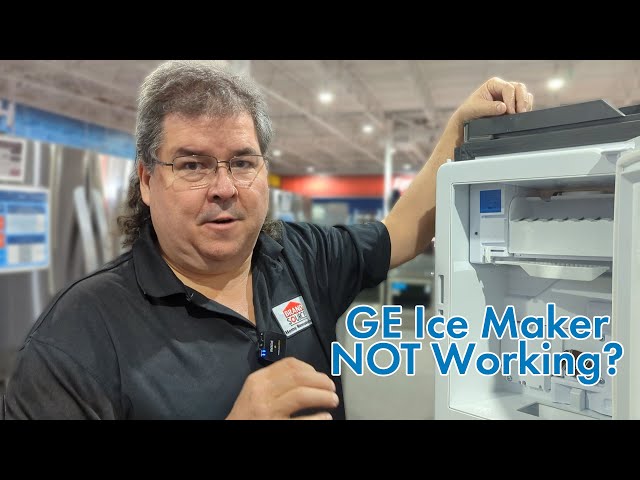
Youtube Video:
Quick Wiring Specifications & Terminal Guide
| Component / Circuit | Standard Wire Gauge | Recommended Protection |
|---|---|---|
| Control & Trigger Signals | 18 – 20 AWG | 5A – 7.5A Inline Fuse |
| Standard Auxiliary Load | 14 – 16 AWG | 15A – 20A Circuit Breaker |
| Main Power Feed / Supply | 10 – 12 AWG | 30A – 40A Heavy-Duty Relay |
Images References
Looking for more diagnostic guides? Explore our complete Refrigerator Problems 3 section for step-by-step troubleshooting solutions.
