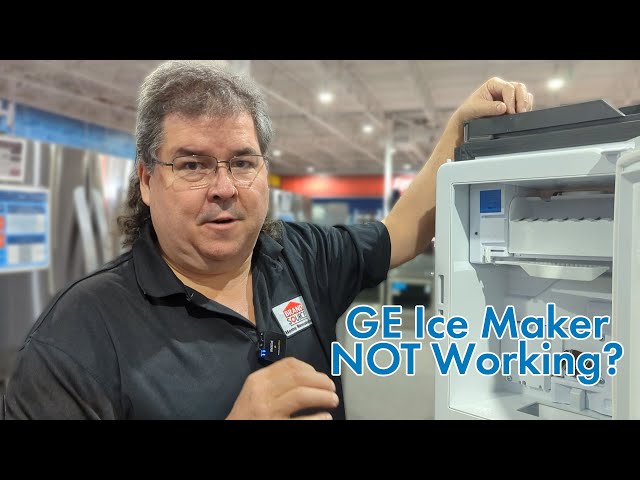
Introduction
A refrigerator’s ice maker is a convenient feature, especially during warmer months. When your GE Adora refrigerator’s ice maker stops working, it can be a real headache. You might find yourself constantly refilling ice trays or relying on store-bought ice. This guide will walk you through common causes and easy troubleshooting steps to get your ice maker back up and running. Addressing this problem quickly prevents food spoilage due to frequent door openings to access ice and ensures you have ice readily available.
Common Causes of GE Adora Refrigerator Ice Maker Not Working
Here are some of the most frequent reasons why your GE Adora ice maker might be on the fritz:
- The Ice Maker is Turned Off: It sounds simple, but accidentally switching the ice maker off is surprisingly common.
- Water Supply Issues: A kinked, frozen, or disconnected water line can prevent water from reaching the ice maker.
- Frozen Water Line: Even if the water line is connected, it can freeze, especially if the freezer temperature is too low.
- Clogged Water Filter: A dirty water filter restricts water flow, impacting ice production.
- Ice Jam: Ice can accumulate in the ice maker, preventing new ice from being made.
- Faulty Ice Maker Module: The mechanical components within the ice maker module itself can break down over time.
- Low Freezer Temperature: If the freezer isn’t cold enough, the ice maker won’t function properly.
- Door Switch Problems: If the refrigerator doesn’t realize the door is closed, it may prevent the ice maker from working.
- Defective Water Inlet Valve: This valve controls the flow of water to the ice maker and can fail.
Symptoms Checklist
Use this checklist to accurately identify the problem:
- No ice production at all.
- Ice maker is producing small or misshapen cubes.
- Ice maker is making ice very slowly.
- Water dispenser isn’t working either (may indicate a water supply problem).
- Unusual noises coming from the ice maker area.
- Ice maker overflowing or leaking.
How to Fix GE Adora Refrigerator Ice Maker Not Working Step-by-Step Guide
- Check the Power Switch: Make sure the ice maker is turned on. Look for a switch or lever on the ice maker itself, often located on the side or top.
- Inspect the Water Supply Line: Locate the water line behind your refrigerator. Ensure it’s properly connected and not kinked or damaged.
- Check the Water Filter: Your GE Adora refrigerator has a water filter, typically located inside the refrigerator compartment or behind the kickplate at the bottom. Replace the filter if it’s been longer than six months or as recommended in your owner’s manual.
- Thaw a Frozen Water Line: If you suspect a frozen water line, unplug the refrigerator. Use a hairdryer on a low setting to gently warm the water line. Alternatively, you can let the refrigerator sit unplugged for several hours to allow the line to thaw.
- Clear an Ice Jam: Remove any ice buildup or jammed ice cubes from the ice maker. Use a plastic utensil to avoid damaging the ice maker components.
- Check Freezer Temperature: The ideal freezer temperature for ice making is between 0F and 5F (-18C to -15C). Adjust the temperature if needed.
- Test the Door Switch: Open and close the refrigerator door and listen for the click of the door switch. A faulty switch might prevent the ice maker from working. (Testing with a multimeter requires technical knowledge and is not covered here.)
- Reset the Ice Maker: Some GE Adora models have a reset button on the ice maker. Press and hold it for a few seconds to reset the system. Refer to your owner’s manual for specific instructions.
- Listen for the Water Valve: After a reset or adjustment, listen for the water inlet valve to open and fill the ice maker tray with water. If you don’t hear anything, the valve might be faulty.
- Inspect Ice Maker Arm: Ensure the ice maker arm is free to move. If it’s blocked by ice, it might prevent the ice maker from cycling.
- Check the Ice Level Control: Some models have an ice level control (a wire arm). Ensure it’s not stuck in the “full” position, even if the ice bin is empty.
Fix the Issue Without Buying Parts
Before considering replacements, try these free solutions:
- Reset: As mentioned earlier, try resetting the ice maker using the reset button.
- Cleaning: Periodically clean the ice bin and the ice maker components to prevent ice jams and mineral buildup.
- Recalibration: Some advanced models might require recalibration. Consult your owner’s manual for instructions.
- Inspection Tips: Regularly inspect the water line and filter for any signs of damage or blockage.
- Maintenance Basics: Keep the refrigerator clean and properly ventilated to ensure optimal performance.
When Replacement Might Be Necessary
If you’ve tried all the troubleshooting steps and your ice maker still isn’t working, you might need to replace a part. Commonly failing parts include the ice maker module (estimated cost: $100-$250), the water inlet valve (estimated cost: $50-$150), or the water filter housing (estimated cost: $30-$80). If you’re not comfortable with electrical repairs, it’s best to call a qualified appliance repair technician.
Safety Warning
- Always unplug the refrigerator before attempting any repairs.
- Avoid working on electrical components with wet hands or on a wet floor.
- If you’re unsure about any step, consult a qualified appliance repair technician.
- Be careful when handling sharp objects or tools.
Tools You May Need
- Screwdriver (Phillips and flathead)
- Pliers
- Adjustable wrench
- Hairdryer (for thawing frozen water lines)
- Clean cloths or paper towels
FAQ
Q: My ice maker is making ice, but it’s very small and watery. What could be the problem?
A: This is likely due to low water pressure or a partially clogged water filter. Check the water supply and replace the filter if necessary.
Q: How often should I replace my refrigerator’s water filter?
A: Most manufacturers recommend replacing the water filter every six months, or as indicated by the filter replacement indicator light on your refrigerator.
Q: My ice maker is making ice, but it’s not dispensing. What could be the issue?
A: Check for an ice jam in the dispenser chute. Also, make sure the dispenser lock feature isn’t activated.
Q: How do I know if my water inlet valve is bad?
A: If the ice maker isn’t getting any water and you’ve ruled out other causes, the water inlet valve might be faulty. A technician can test it with a multimeter.
Conclusion
Troubleshooting a non-working GE Adora ice maker can seem daunting, but by following these steps, you can often resolve the issue yourself. Start with the simple solutions and work your way through the more complex ones. Remember to prioritize safety and consult your owner’s manual for specific instructions related to your model. If you’ve exhausted all the troubleshooting steps and the problem persists, don’t hesitate to call a qualified appliance repair technician for assistance. Often, the issue is something easily rectified and you can avoid the cost of a new refrigerator.
Youtube Video:
Looking for more useful options?
Check out recommended resources that others find helpful.