Introduction
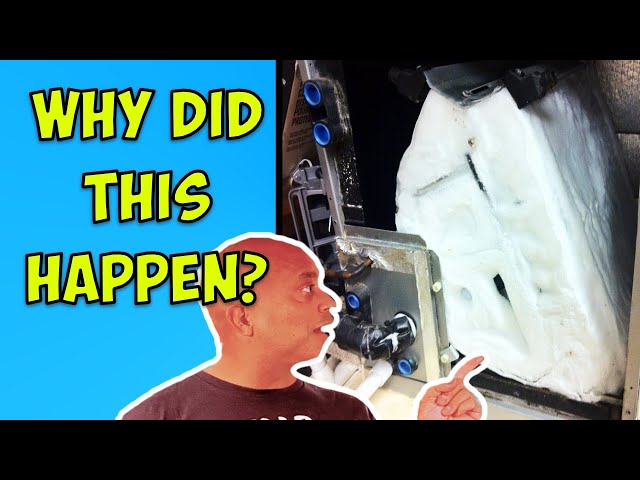
A frozen AC coil is a common problem that occurs when the evaporator coil inside your air conditioning unit gets too cold, causing ice to form on its surface. This ice restricts airflow, reducing your AC’s cooling efficiency and potentially damaging the system. Recognizing this issue early and addressing it quickly can prevent costly repairs. You might notice your AC blowing warm air, running constantly, or even seeing ice forming on the unit itself. Its essential to act promptly to avoid further complications.
Common Causes of frozen ac coil fix
Several factors can lead to a frozen AC coil:
- Low Refrigerant: Insufficient refrigerant reduces the coil’s temperature, leading to freezing.
- Dirty Air Filter: A clogged filter restricts airflow, making the coil colder.
- Blocked Vents: Closed or blocked vents reduce airflow across the coil.
- Dirty Evaporator Coil: Dirt buildup acts as an insulator, causing the coil to freeze.
- Faulty Blower Motor: If the blower motor isn’t circulating air properly, the coil can freeze.
- Leaky Ductwork: Leaks introduce warm, humid air, causing condensation and freezing.
- Extremely Low Outdoor Temperature: Running your AC when it’s very cold outside can cause the coil to freeze.
- Thermostat Issues: An incorrectly set or malfunctioning thermostat can cause the AC to run continuously.
Symptoms Checklist
Check for these symptoms to confirm a frozen AC coil:
- Warm air blowing from vents.
- Visible ice on the indoor or outdoor AC unit.
- AC unit running constantly without cooling the house.
- Water leaking around the indoor unit.
- Higher than usual energy bills.
- Unusual noises coming from the AC unit.
How to Fix frozen ac coil fix Step-by-Step Guide
Follow these steps to troubleshoot a frozen AC coil:
- Turn off the AC: Switch off your AC unit at the thermostat. Set it to “Off” or “Fan Only.”
- Turn off the breaker: Go to your breaker box and turn off the breaker for your AC unit. This is important for safety.
- Allow the ice to thaw: Let the ice melt completely. This could take several hours or even a full day, depending on the ice buildup.
- Check the air filter: Remove the air filter and inspect it. If it’s dirty, replace it with a new, clean filter.
- Check for blocked vents: Ensure all vents in your home are open and unobstructed.
- Inspect the outdoor unit: Check the outdoor unit for debris, such as leaves, grass, or branches, that may be blocking airflow. Clear away any obstructions.
- Clean the evaporator coil (if accessible): If you can safely access the evaporator coil (usually inside the indoor unit), use a soft brush or vacuum with a brush attachment to gently clean it. Be careful not to damage the fins.
- Check the blower motor: If you have access, inspect the blower motor for any signs of damage or malfunction. Note: this may require more technical knowledge.
- Turn the breaker back on: After the ice has completely thawed, turn the breaker back on.
- Turn the AC back on (Fan Only): Set the thermostat to “Fan Only” for a few hours to help dry out the system.
- Test the AC: After the system has dried, switch the thermostat back to “Cool” and monitor the AC’s performance.
- Monitor air temperature: Use a thermometer to confirm the vents are blowing cold air after 30-60 minutes.
- Document findings: Write down what you observed at each step to help a technician if the problem returns.
Fix the Issue Without Buying Parts
Here are some free methods to try:
- Air Filter Check & Cleaning: Consistently check and clean or replace your air filter monthly.
- Ensure Airflow: Keep all vents open and clear of obstructions like furniture.
- Proper Thermostat Use: Avoid setting your thermostat too low, as this can overwork the system.
- Routine Visual Inspection: Regularly inspect your AC unit (both indoor and outdoor) for any signs of ice buildup or debris.
- Professional Maintenance: Schedule annual maintenance with a qualified HVAC technician for thorough cleaning and inspection.
When Replacement Might Be Necessary
If the problem persists after troubleshooting, more serious issues might be at play. For example, a refrigerant leak will need to be addressed by a professional. A faulty blower motor can also contribute to freezing and will require replacement. In cases of severely damaged or corroded coils, replacement may be the only option. Refrigerant leak repair can cost $200-$600, blower motor replacement costs $150 – $450, and evaporator coil replacement can range from $700 to $2000 depending on the AC system.
Safety Warning
- Always turn off the power to the AC unit at the breaker before performing any maintenance.
- Avoid touching any electrical components with wet hands.
- If you’re uncomfortable with any of the steps, contact a qualified HVAC technician.
- Be cautious when working around the outdoor unit, as the fins can be sharp.
Tools You May Need
- Screwdriver
- Air filter
- Soft brush or vacuum with brush attachment
- Thermometer
FAQ
- Q: How often should I change my air filter? A: At least every 1-3 months, or more often if you have pets or allergies.
- Q: Can I use a hair dryer to thaw the ice? A: It’s not recommended as it can damage the system. Patience is key.
- Q: Why does my AC freeze up even with a clean filter? A: Other issues like low refrigerant or a faulty blower motor may be the cause.
- Q: How do I know if I have a refrigerant leak? A: You might notice hissing sounds, or the AC may not cool as efficiently, even after thawing.
Conclusion
Troubleshooting a frozen AC coil can seem daunting, but by following these steps, you can often resolve the issue yourself and save money on costly repairs. Remember to prioritize safety and never hesitate to contact a qualified HVAC technician if you’re unsure about any step or if the problem persists. Attempting these fixes on your own is a good starting point; however, professional help is recommended when safety and deep technical knowledge are needed.
Youtube Video:
Looking for more useful options?
Check out recommended resources that others find helpful.