Introduction
The refrigerator drip pan, also sometimes called a drain pan, is a vital component located underneath your refrigerator. Its purpose is to collect condensation that naturally forms as your fridge cools down. This condensation is then supposed to evaporate. However, if the drip pan overflows or is not functioning correctly, you might find water pooling on your kitchen floor. This is not only annoying but can also lead to water damage and mold growth if left unattended. Addressing this issue promptly is essential to maintain a clean and safe home environment.
Common Causes of Refrigerator Drip Pan Issues
Several factors can contribute to a malfunctioning refrigerator drip pan:
- Clogged Drain Line: Food particles, dust, or ice can block the drain line, preventing water from reaching the pan.
- Frozen Drain Line: If your freezer is set too cold, the drain line can freeze, causing water to back up.
- Overfilled Drip Pan: Excessive condensation due to a faulty door seal or high humidity can overwhelm the pan’s capacity.
- Cracked or Damaged Drip Pan: Physical damage can lead to leaks, even if the drain line is clear.
- Uneven Refrigerator Level: If the fridge isn’t level, water might not drain properly into the pan.
- Dirty Condenser Coils: Dirty coils reduce cooling efficiency, causing more condensation.
- Faulty Defrost System: If the defrost system isn’t working, ice can build up and melt excessively, overflowing the pan.
- Loose or Damaged Drain Tube Connection: The tube connecting the drain to the pan might be loose or cracked.
Symptoms Checklist
Use this checklist to identify if your refrigerator drip pan is the problem:
- Water pooling under or behind your refrigerator.
- A musty or moldy smell coming from the refrigerator area.
- Visible water stains on the floor around the refrigerator.
- The refrigerator runs constantly or seems less efficient.
- Ice buildup inside the refrigerator or freezer.
- The drip pan is visibly overflowing with water.
How to Fix Refrigerator Drip Pan Issues Step-by-Step Guide
Follow these steps to troubleshoot and fix the problem:
- Unplug the Refrigerator: Safety first! Always unplug your refrigerator before any repairs.
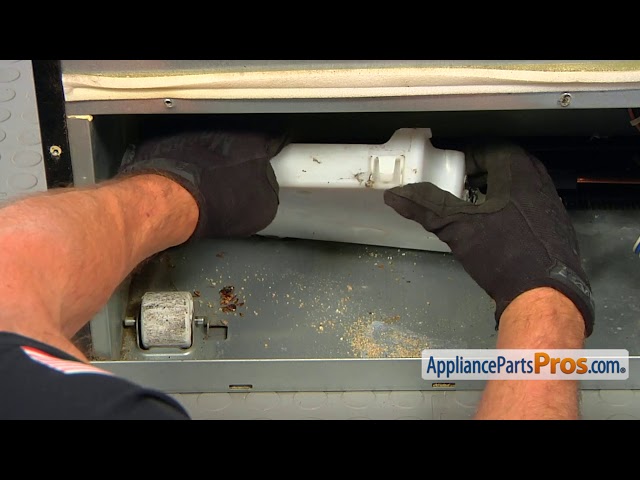
- Locate the Drip Pan: Most drip pans are located at the bottom of the refrigerator, either behind the kickplate (lower front panel) or in the back.
- Remove the Drip Pan: Carefully slide or unclip the drip pan. You may need to tilt it to avoid spilling water.
- Inspect the Drip Pan: Check for cracks, holes, or excessive buildup of debris.
- Clean the Drip Pan: Wash the pan with warm, soapy water. Rinse thoroughly and dry completely.
- Locate the Drain Line: The drain line is a small tube that connects the freezer to the drip pan. It’s usually located at the back of the freezer compartment.
- Check for Clogs: Use a small, flexible object like a pipe cleaner or a long cotton swab to gently clear any blockages in the drain line. You can also use a turkey baster filled with warm water to flush out the line.
- Flush the Drain Line: Pour a cup of warm water down the drain line to ensure it’s clear. Watch to see if the water drains properly into the drip pan.
- Check Refrigerator Level: Use a level to ensure your refrigerator is sitting level. Adjust the leveling feet if needed.
- Clean Condenser Coils: Located at the back of the fridge, use a vacuum cleaner with a brush attachment to remove dust and debris from the coils.
- Inspect Door Seals: Check the rubber seals around the refrigerator and freezer doors for damage or gaps. Clean them with a damp cloth.
- Reassemble: Carefully replace the drip pan and kickplate (if applicable).
- Plug in the Refrigerator: Plug the refrigerator back into the power outlet.
- Monitor: Observe the refrigerator for a few days to ensure the issue is resolved.
Fix the Issue Without Buying Parts
Before considering replacements, try these free methods:
- Reset the Refrigerator: Unplug the refrigerator for 30 minutes and then plug it back in. This can sometimes reset the defrost system.
- Thorough Cleaning: Regularly clean the interior of your refrigerator to prevent food buildup that can clog the drain line.
- Leveling Adjustment: Double-check and adjust the leveling feet of the refrigerator periodically.
- Regular Inspection: Routinely inspect the drip pan and drain line for any signs of buildup or blockage.
- Proper Ventilation: Ensure adequate airflow around the refrigerator. Avoid overcrowding the area around it.
When Replacement Might Be Necessary
If the drip pan is severely cracked or damaged beyond repair, or if the drain line is permanently blocked despite your best efforts, replacement might be necessary. A replacement drip pan typically costs between $20 and $50 USD, while a new drain line can range from $10 to $30 USD. The drip pan itself is most likely to need replacement due to wear and tear.
Safety Warning
- Always unplug the refrigerator before performing any maintenance or repairs.
- Be careful when handling the drip pan, as it may contain water and could be heavy.
- Avoid working on electrical components if you are not comfortable or experienced. Consult a qualified technician.
- Clean up any spills immediately to prevent slips and falls.
Tools You May Need
- Screwdriver (Phillips and flathead)
- Level
- Pipe cleaner or long cotton swab
- Turkey baster
- Warm water and soap
- Vacuum cleaner with brush attachment
- Clean cloths
FAQ
Here are some frequently asked questions:
- Q: How often should I clean my refrigerator drip pan?
- A: It’s recommended to clean it every 6 months, or more frequently if you notice any issues.
- Q: What happens if I don’t clean the drip pan?
- A: It can lead to water damage, mold growth, and unpleasant odors.
- Q: How do I know if my drain line is frozen?
- A: You’ll likely notice water pooling inside the refrigerator or freezer, and the drain line may be blocked with ice.
- Q: Can I use bleach to clean the drip pan?
- A: It’s generally not recommended, as bleach can damage the plastic. Use warm, soapy water instead.
Conclusion
Troubleshooting a refrigerator drip pan issue is often a simple task that can save you money and prevent potential water damage. By following these steps, you can usually identify and fix the problem yourself. However, if you’re uncomfortable with any of these steps or if the problem persists, don’t hesitate to call a qualified appliance repair technician.
Youtube Video:
Looking for more useful options?
Check out recommended resources that others find helpful.