Introduction
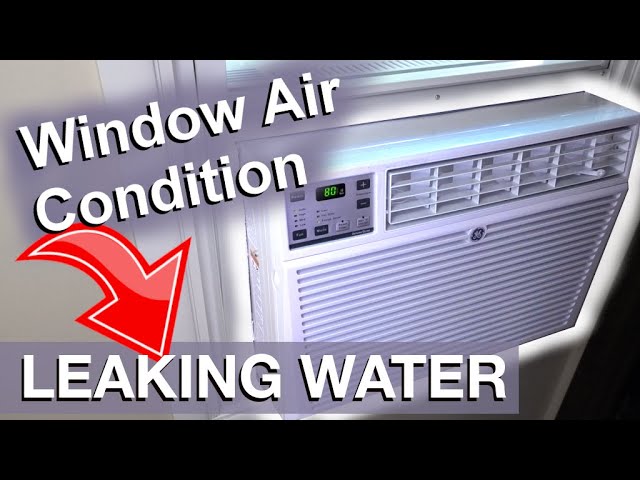
A window AC unit leaking water inside or outside your home is a common problem, especially during humid weather. While a little condensation is normal, excessive leaking can indicate a bigger issue. This isn’t just a nuisance; it can damage your walls, floors, and even lead to mold growth. Addressing the leak promptly can prevent further damage and save you money in the long run. Let’s figure out why your AC is leaking and how to fix it!
Common Causes of Window AC Unit is Leaking Water
Here are some of the most common reasons why your window AC unit might be leaking water:
- Clogged Drain: The most frequent culprit! Dust, dirt, and debris can block the drain that removes condensation, causing water to back up and leak.
- Improper Installation: If the AC isn’t tilted slightly downward towards the outside, water won’t drain properly.
- Dirty Air Filter: A dirty filter restricts airflow, causing the evaporator coil to freeze. When the ice melts, it can overwhelm the drainage system.
- Freezing Evaporator Coil: As mentioned above, restricted airflow from a dirty filter can cause the coil to freeze, leading to excessive water when it melts.
- Broken or Damaged Drain Pan: The drain pan collects condensation. If it’s cracked or damaged, it can leak.
- High Humidity: On very humid days, the AC might produce more condensation than the drain can handle.
- Damaged Seals: The seals around the unit can deteriorate over time, allowing water to escape.
- Refrigerant Leaks: Though less common, a refrigerant leak can sometimes cause ice buildup, which leads to water leaks when melting.
Symptoms Checklist
Use this checklist to identify the issue accurately:
- Water dripping inside the room.
- Water leaking excessively outside the window.
- Ice buildup on the AC unit’s coils.
- Musty odor coming from the AC unit.
- AC unit is not cooling as effectively as usual.
- Visible dirt and debris buildup on the air filter.
- Standing water in the drain pan.
How to Fix Window AC Unit is Leaking Water Step-by-Step Guide
Follow these steps to troubleshoot and fix the leak:
- Safety First: Unplug the AC unit from the power outlet before starting any repairs.
- Inspect the Air Filter: Remove the air filter and check if it’s dirty. If so, clean it with warm, soapy water, or replace it with a new one. Let it dry completely before reinserting.
- Check the Installation: Make sure the AC unit is tilted slightly downward towards the outside. Use a level to verify the angle.
- Locate the Drain Hole: Find the drain hole on the back of the AC unit, usually a small opening near the bottom.
- Clear the Drain Hole: Use a straightened paper clip, small screwdriver, or pipe cleaner to carefully clear any clogs in the drain hole. Gently poke around to dislodge any debris.
- Flush the Drain Pan: Pour a small amount of warm water into the drain pan to flush out any remaining debris. Check if the water drains freely.
- Inspect the Drain Pan: Examine the drain pan for any cracks or damage. If you find any, it might need to be replaced (though we’ll try other solutions first).
- Clean the Coils (Carefully): If you suspect the evaporator coil is freezing, allow the unit to thaw completely. Then, use a soft brush or vacuum cleaner with a brush attachment to gently remove dust and debris from the coils. Avoid bending the fins.
- Check the Seals: Inspect the seals around the AC unit for any damage or gaps. If you find any, you can try sealing them with weather stripping or caulk.
- Run the AC on Fan Only: After cleaning and clearing the drain, run the AC on “Fan Only” mode for a few hours. This can help dry out any remaining moisture and prevent ice buildup.
- Monitor the AC: After completing these steps, plug the AC unit back in and monitor it closely for leaks.
- Test Cooling Function: Once you are confident there are no more leaks, test the cooling function.
Fix the Issue Without Buying Parts
Here are some ways to resolve the leak without immediately buying new parts:
- Reset the AC Unit: Unplug the AC for 15 minutes. This can sometimes reset the internal thermostat and prevent freezing.
- Regular Cleaning: Clean the air filter every month and the coils at least twice a year to prevent clogs and ice buildup.
- Proper Installation: Ensure the unit is installed correctly with the proper downward tilt.
- Monitor Humidity Levels: On extremely humid days, consider using a dehumidifier to reduce the amount of moisture the AC has to process.
- Inspect Regularly: Periodically inspect the drain hole and drain pan for any signs of clogs or damage.
When Replacement Might Be Necessary
While most leaks can be fixed with the above steps, sometimes replacement is necessary:
- If the drain pan is severely cracked or damaged and cannot be repaired with sealant.
- If the refrigerant is leaking (requires a professional diagnosis and repair, but replacement may be more cost-effective).
- If the AC unit is very old and inefficient, and the cost of repairs exceeds the value of the unit.
A new window AC unit can range from $150 to $500 USD, depending on size and features. The drain pan, if replaced, is typically under $50 USD.
Safety Warning
- Always unplug the AC unit before performing any maintenance or repairs.
- Avoid working on the AC unit while standing in water.
- Be careful when handling sharp tools.
- If you’re uncomfortable with any of these steps, consult a qualified HVAC technician.
Tools You May Need
- Screwdriver
- Straightened paper clip or pipe cleaner
- Warm water
- Soft brush or vacuum cleaner with brush attachment
- Level
- Weather stripping or caulk (optional)
FAQ
Here are some frequently asked questions about window AC unit leaks:
- Why is my AC leaking even after I cleaned the filter? There may still be a clog in the drain hole or a problem with the unit’s installation.
- Is it normal for my AC to drip a little outside? Yes, some condensation is normal, especially on humid days. However, excessive dripping indicates a problem.
- Can I use bleach to clean the drain hole? It’s best to avoid harsh chemicals like bleach, as they can damage the AC unit. Stick to warm water and a small tool to clear the clog.
- How often should I clean my AC unit? Clean the air filter monthly and the coils at least twice a year.
Conclusion
Don’t let a leaky window AC unit ruin your comfort! By following these simple steps, you can often diagnose and fix the problem yourself. Remember to prioritize safety and take your time. If you’ve tried these troubleshooting steps and the leak persists, it might be time to call a qualified HVAC technician. But give it a shot yourself first you might be surprised at what you can fix!
Youtube Video:
Looking for more useful options?
Check out recommended resources that others find helpful.