Introduction
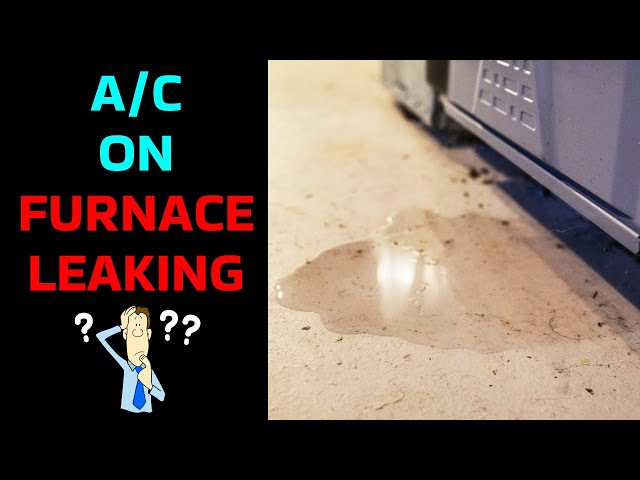
Finding a puddle around your air conditioner? It’s normal for air conditioners to produce some condensation, but excessive water is a sign of trouble. This usually happens during hot, humid weather when the AC is working hard. Ignoring this problem can lead to water damage in your home, mold growth, and reduced cooling performance. Let’s get this fixed!
Common Causes of Lots of Water Coming From Air Conditioner
Here are some common reasons why your air conditioner might be leaking too much water:
- Clogged Drain Line: This is the most frequent cause. Dust, algae, and debris can block the drain line, preventing water from escaping.
- Dirty Air Filter: A dirty filter restricts airflow, causing the evaporator coil to freeze. When the ice melts, it produces excess water.
- Low Refrigerant: Insufficient refrigerant can also lead to a frozen evaporator coil.
- Improper Installation: If the AC unit isn’t properly leveled during installation, water might not drain correctly.
- Broken Drain Pan: The drain pan catches condensation. If it’s cracked or rusted, water will leak.
- High Humidity: Extremely humid conditions can naturally increase condensation production.
- Evaporator Coil Issues: Dirt or corrosion on the evaporator coil can also cause freezing and excessive water production.
- Damaged or Disconnected Drain Line: Physical damage or disconnection can cause leaks.
Symptoms Checklist
Check if you’re experiencing any of these symptoms:
- Water dripping or pooling around the indoor AC unit.
- Water stains on the ceiling near the AC unit.
- Musty or moldy smell coming from the AC unit.
- AC unit is not cooling as efficiently as usual.
- Visible ice forming on the evaporator coil.
- Water dripping from the outdoor AC unit (more than usual).
How to Fix Lots of Water Coming From Air Conditioner Step-by-Step Guide
Follow these steps to troubleshoot and fix the problem:
- Turn Off the AC: Before you start, turn off your air conditioner at the thermostat and the breaker to prevent electrical shock.
- Inspect the Air Filter: Remove the air filter and check if it’s dirty. If it is, clean or replace it. A clogged filter restricts airflow and can cause freezing.
- Locate the Drain Line: The drain line is usually a PVC pipe located near the indoor AC unit. It leads outside or to a drain.
- Check for Clogs: Look for any visible obstructions in the drain line opening.
- Flush the Drain Line: Use a wet/dry vacuum to suck out any clogs. Attach the vacuum hose to the drain line opening and run it for a few minutes.
- Pour Bleach or Vinegar: Pour a cup of diluted bleach (1 part bleach, 10 parts water) or white vinegar into the drain line opening to kill algae and prevent future clogs. Let it sit for 30 minutes.
- Flush Again: After 30 minutes, flush the drain line again with water to remove any remaining debris.
- Inspect the Drain Pan: Check the drain pan for cracks, rust, or overflowing water. If the pan is damaged, it needs to be replaced.
- Check for Proper Leveling: Use a level to ensure the indoor AC unit is properly leveled. If it’s not, shim it until it’s level to ensure proper drainage.
- Thaw a Frozen Coil (If Applicable): If you suspect a frozen coil, turn off the AC and let it thaw completely. This may take several hours. Ensure you have a towel or bucket handy to catch the melting ice.
- Clean the Evaporator Coils: Use a fin comb to straighten bent fins and an evaporator coil cleaner to remove dirt and debris. This will improve airflow and prevent freezing.
- Monitor the AC: After completing these steps, turn the AC back on and monitor it for a few hours to see if the problem is resolved.
- Consider a Condensate Pump: If your AC is in a basement and draining upwards, a condensate pump helps push water out. Ensure it’s working correctly.
Fix the Issue Without Buying Parts
Before resorting to buying new parts, try these free methods:
- Reset the AC: Turn off the AC breaker for 30 minutes, then turn it back on. This can sometimes reset the system and resolve minor issues.
- Regular Cleaning: Clean your air filter monthly and flush the drain line at least twice a year to prevent clogs.
- Visual Inspection: Regularly inspect the drain pan and drain line for any signs of damage or leaks.
When Replacement Might Be Necessary
If you’ve tried all the troubleshooting steps and the problem persists, a replacement might be necessary. Common parts that fail include the drain pan (costing $50-$150), the condensate pump ($100-$300), or, in more serious cases, the evaporator coil. Replacing the evaporator coil can cost between $500 and $1500, depending on the unit. If refrigerant leaks are the root cause, a professional AC technician is always required and can cost $200-500.
Safety Warning
- Always turn off the power to the AC unit before performing any maintenance.
- Avoid getting water on electrical components.
- Be careful when working around wet floors to prevent slips and falls.
- If you are uncomfortable working with electrical components, call a qualified technician.
Tools You May Need
Here’s a list of simple tools that can be helpful:
- Wet/dry vacuum
- Screwdriver
- Level
- Fin comb
- Evaporator coil cleaner
- Bleach or white vinegar
- Bucket
- Towels
FAQ
Here are some frequently asked questions about AC leaks:
-
Q: How often should I clean my AC drain line?
A: At least twice a year, ideally before the cooling season and mid-season. -
Q: Why is my AC leaking water even after I cleaned the drain line?
A: There might be a crack in the drain pan, a frozen coil, or low refrigerant. Check those areas. -
Q: Can I use a wire hanger to unclog the drain line?
A: It’s not recommended as you may damage the drain line. A wet/dry vacuum is a safer option. -
Q: Is it normal for my AC to drip water outside?
A: Yes, some condensation dripping from the outdoor unit is normal, especially on humid days. But excessive water might indicate a problem. -
Q: How do I check for low refrigerant?
A: You’ll need a professional to check refrigerant levels. Look for icing on the copper lines as a potential symptom. -
Q: Can I pour boiling water down the drain line to unclog it?
A: No, you should not pour boiling water down the drain line because it can melt or damage the PVC pipe.
Conclusion
Finding excessive water around your air conditioner can be concerning, but many causes are easily fixable with some simple troubleshooting. Try these steps to diagnose and resolve the issue yourself. Remember, regular maintenance can prevent future problems. If you’re still experiencing issues after trying these steps, don’t hesitate to call a qualified HVAC technician for professional assistance. Start with these simple steps before calling for help and you might save yourself some money!
Youtube Video:
Looking for more useful options?
Check out recommended resources that others find helpful.