Introduction
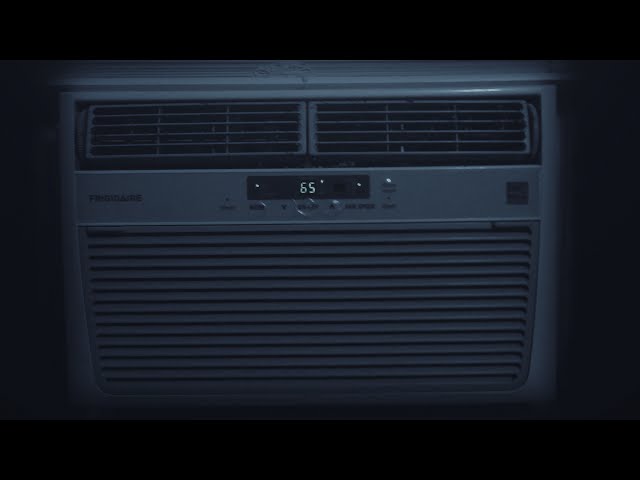
A noisy wall air conditioner can be incredibly annoying, disrupting your peace and quiet, especially during hot summer nights. These noises can range from rattling and buzzing to humming and grinding. Ignoring these sounds can lead to more significant problems down the line, potentially shortening the lifespan of your unit or even indicating a safety hazard. Addressing the noise promptly can save you money and ensure your air conditioner runs efficiently and reliably. This guide will help you diagnose and fix common causes of a noisy wall air conditioner without needing to call a professional immediately.
Common Causes of a Noisy Wall Air Conditioner
Here are some of the most frequent reasons why your wall air conditioner might be making unusual noises:
- Loose Mounting: If the unit isn’t securely fastened to the wall or window frame, it can vibrate and create a rattling sound.
- Dirty Air Filter: A clogged filter restricts airflow, causing the motor to work harder and potentially overheat, resulting in a humming or buzzing noise.
- Debris Inside: Leaves, twigs, or other debris can get inside the unit and rattle around.
- Loose Fan Blades: Over time, the fan blades can loosen, causing them to wobble and hit other components, resulting in a clattering noise.
- Bent Fan Blades: Bent fan blades can cause imbalance and generate excessive vibrations and noise.
- Faulty Motor: A failing motor can produce a loud humming or grinding noise.
- Loose Screws or Panels: Screws and panels can loosen over time due to vibrations, leading to rattling sounds.
- Refrigerant Leaks: While not always a noisy issue, a refrigerant leak can sometimes cause gurgling or hissing sounds.
- Ice Buildup: A dirty filter or low refrigerant can cause ice to form on the coils, which can create a scraping noise as the fan hits it.
Symptoms Checklist
Use this checklist to help pinpoint the source of the noise:
- Rattling: Suggests loose mounting, debris, or loose screws.
- Buzzing: Often indicates a dirty filter or a faulty motor.
- Humming: Could be a sign of a dirty filter, a faulty motor, or electrical issues.
- Clattering: Likely caused by loose or bent fan blades.
- Grinding: Points towards a failing motor or a part rubbing against another.
- Gurgling/Hissing: May indicate a refrigerant leak.
- Scraping: Indicates ice buildup or a fan blade hitting something.
- Noise increases when the unit is on: Narrow the troubleshooting to moving parts.
- Noise lessens with less use: Still requires attention.
How to Fix a Noisy Wall Air Conditioner Step-by-Step Guide
- Safety First: Unplug the air conditioner from the power outlet.
- Inspect the Mounting: Check if the unit is securely mounted to the wall or window frame. Tighten any loose screws or bolts. Add weather stripping if needed.
- Clean the Air Filter: Remove the air filter and wash it with mild soap and water. Allow it to dry completely before reinstalling.
- Inspect for Debris: Carefully inspect the inside of the unit for any leaves, twigs, or other debris. Remove any obstructions.
- Check Fan Blades: Visually inspect the fan blades for any signs of damage or looseness. Tighten any loose screws holding the fan blades in place.
- Straighten Bent Fan Blades: If you notice any bent fan blades, gently try to straighten them. Be careful not to break them.
- Tighten Loose Screws and Panels: Check all the screws and panels on the unit and tighten any that are loose.
- Lubricate the Motor (if accessible): Some motors have lubrication ports. Use a light machine oil to lubricate the motor bearings. Consult your unit’s manual.
- Check Window Seals: Ensure a tight seal around the unit, using weather stripping if gaps exist. Vibration can cause window panes to create sounds.
- Level the Unit: Use a level to confirm the unit is properly aligned. Minor adjustments may reduce vibration and noise.
- Listen Carefully: With the front panel removed (and unit unplugged!), carefully spin the fan by hand to isolate noises.
- Check Drain Plug: Make sure the drain plug is correctly installed, or the unit might accumulate extra moisture.
- Test the Fan Motor: Once cleaned and reassembled, plug the unit in and carefully monitor the fans movement to ensure it’s operating smoothly without any wobbling.
- Observe Operation: After completing the above steps, plug the unit back in and observe its operation. Note any changes in noise levels.
Fix the Issue Without Buying Parts
Often, you can resolve noise issues with simple maintenance:
- Reset: Unplug the unit for 15 minutes, then plug it back in. This can sometimes reset the internal components.
- Cleaning: Regular cleaning of the filter and internal components is crucial.
- Recalibration (if applicable): Some units have calibration settings. Consult your manual.
- Inspection Tips: Regularly inspect the unit for loose screws, debris, and signs of wear.
- Maintenance Basics: Keep the area around the unit clean and free of obstructions.
When Replacement Might Be Necessary
If you’ve tried all the troubleshooting steps and the noise persists, particularly if it’s a grinding or loud humming sound, or if the unit is old, replacement might be the best option. Common parts that fail include the motor, fan blades, and the compressor. Replacement costs can range from $150 to $500+ depending on the size and type of unit.
Safety Warning
- Always unplug the air conditioner before performing any maintenance or repairs.
- Avoid working on the unit with wet hands or on a wet floor.
- Be careful when handling sharp objects or tools.
- If you are uncomfortable with any of these steps, consult a qualified technician.
Tools You May Need
- Screwdriver (Phillips and flathead)
- Adjustable wrench
- Vacuum cleaner with hose attachment
- Mild soap and water
- Clean cloths
- Level
- Light machine oil
FAQ
Here are some frequently asked questions:
- Q: Why is my air conditioner making a buzzing sound? A: A buzzing sound often indicates a dirty filter, loose components, or a failing motor.
- Q: How often should I clean the air filter? A: Clean the air filter every 1-3 months, depending on usage and air quality.
- Q: Is it normal for my air conditioner to make some noise? A: Yes, some noise is normal. However, loud or unusual noises should be investigated.
- Q: Can I fix a refrigerant leak myself? A: No, refrigerant leaks should only be handled by a qualified technician.
- Q: My air conditioner is still noisy after cleaning the filter. What should I do? A: Check for loose components, debris, or a faulty motor.
Conclusion
Troubleshooting a noisy wall air conditioner can seem daunting, but by following these simple steps, you can often identify and fix the problem yourself. Remember to prioritize safety and take your time. If you’ve exhausted these DIY solutions and the noise persists, don’t hesitate to call a qualified technician for professional assistance. Taking care of your air conditioner will ensure it runs efficiently and quietly for years to come!
Youtube Video:
Looking for more useful options?
Check out recommended resources that others find helpful.